
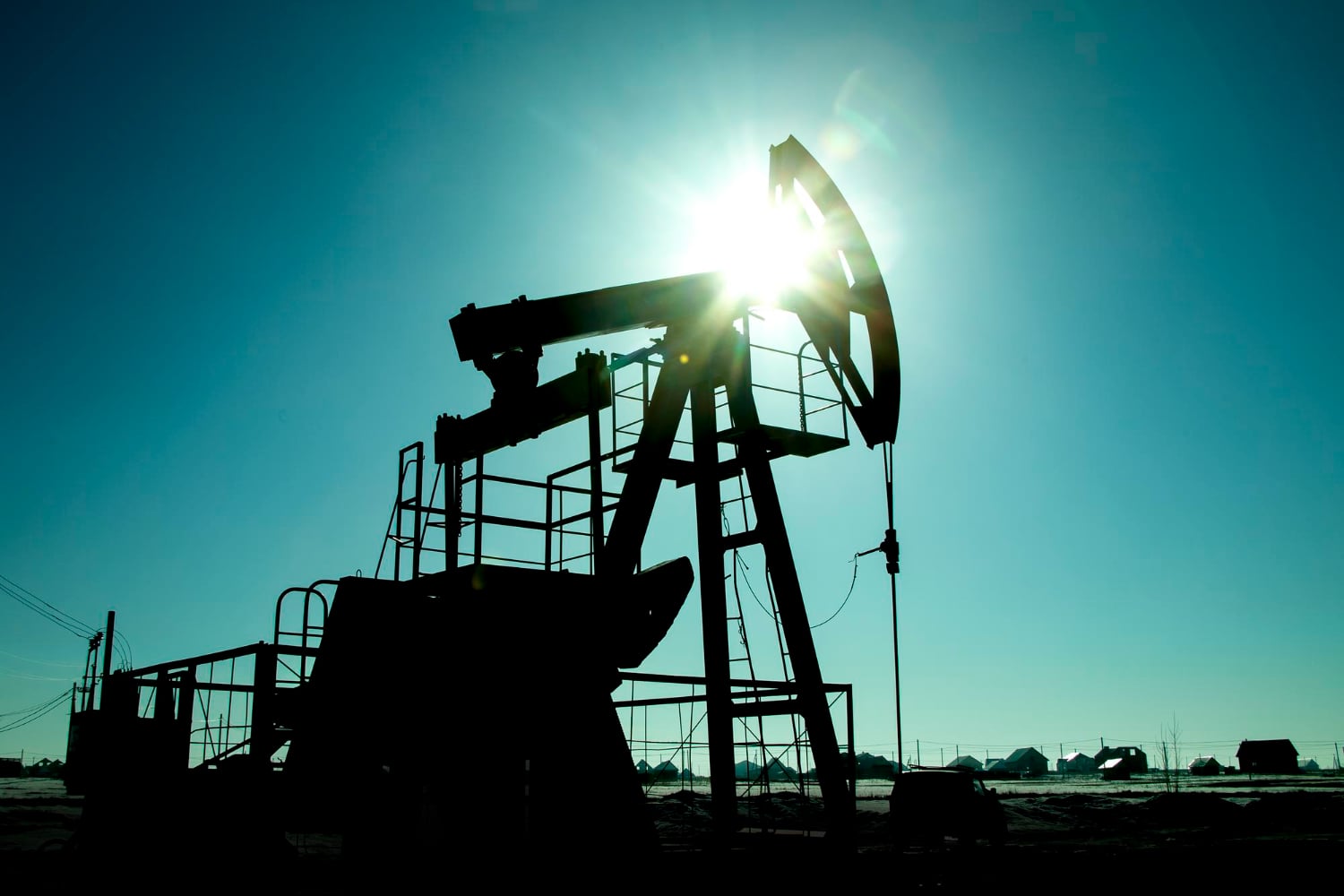
Oil gained 1% after Trump said India would halt its purchases of Russian oil
Oil prices rose nearly 1% on Thursday after US President Donald Trump said India had promised to halt its oil purchases from Russia.
Following this decision, Russian oil supplies to other countries could also decrease. The UK has announced new sanctions on Russian oil. Japan is also expected to halt Russian energy imports.
Bent crude futures rose 54 cents, or 0.87%, to $62.45 a barrel by 04:30 GMT. WTI futures rose 57 cents, or 0.98%, to $58.84.
Both contracts fell to their lowest level since early May in the previous session, as the International Energy Agency (IEA) warned of a large surplus next year, amid US-China trade tensions, and as OPEC+ producers and rivals increase production despite weak demand.
Trump said on Wednesday that India, which relies on Russia for about a third of its oil imports, would halt its oil purchases from Russia and that the US would pressure China to do the same as Washington intensifies efforts to cut Moscow's energy revenues and pressure it to negotiate a peace deal in Ukraine.
There is no definitive information on whether India has made such a commitment, but sources familiar with the matter said some Indian refineries are preparing to reduce Russian oil imports in anticipation of a gradual decline.
The US also expects Japan to halt its Russian energy imports.
India and China are the two largest buyers of Russian maritime crude oil exports, which are sanctioned by the US and the European Union. India has resisted US pressure for months to stop buying Russian oil, while officials have argued that these purchases are vital to its national energy security.
This is a positive development for crude oil prices because a major buyer of Russian oil will seek to meet its needs through other channels.
The UK government also announced new sanctions on Wednesday, directly targeting Russia's Rosneft and Lukoil, two of the world's largest energy companies.
The sanctioned entities include four oil terminals, the privately held Shandong Yulong Petrochemical refinery in China, 44 tankers in a "shadow fleet" transporting Russian oil, and the Russian-owned Nayara Energy Limited refinery in India.
Later Thursday, investors will be watching the weekly US inventory statistics from the US Energy Information Administration (EIA) following mixed data from the American Petroleum Institute (API) trade group.
According to Wednesday's API data, US crude oil and gasoline inventories rose last week, while distillate inventories fell.
Sources indicated that crude oil inventories increased by 7.36 million barrels in the week ending October 10, gasoline inventories increased by 2.99 million barrels, and distillate inventories fell by 4.79 million barrels compared to the previous week.
While lower distillate inventories suggest stronger diesel demand, rising crude and gasoline inventories suggest weak demand in the U.S., the world's largest oil consumer. Analysts estimate U.S. crude inventories increased by about 0.3 million barrels last week.
Related Articles

Oil prices are rising as supply concerns increase amid expectations of a prolonged conflict in the Middle East

Oil prices continued to rise following US and Iranian attacks on ships serving their respective purposes

Oil prices closed higher this week following renewed US-Iran hostilities
