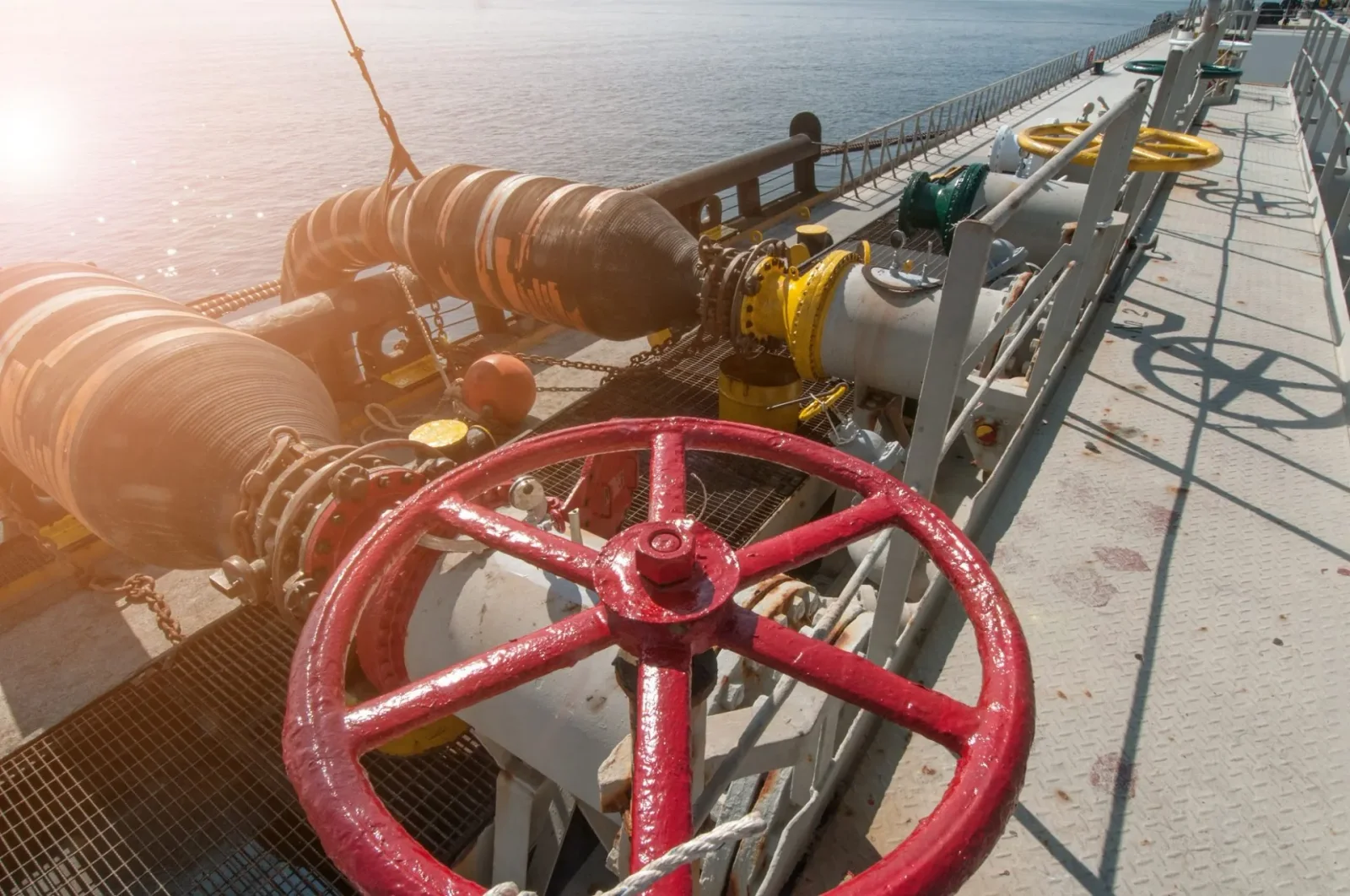
Oil prices rose by $2 as tensions escalated in the Middle East following attacks carried out by the Houthis
On Thursday, oil prices climbed by more than $2 per barrel, driven by an increase in Houthi attacks in Saudi Arabia and concerns over further disruptions to crude oil supplies from one of the world's most critical export regions.
Brent crude futures rose by $2.82, or 2.59%, to $111.64 per barrel by GMT 06:26, nearing a five-month high. Meanwhile, West Texas Intermediate (WTI) crude increased by $2.24, or 2.31%, to $99.39 per barrel.
Following additional deadly Houti attacks targeting Saudi Arabia, oil prices have remained at elevated levels, with ICE Brent crude climbing above $110 per barrel this morning.
Iranian media reported on Wednesday that explosions were heard in Sirik, in southern Iran, though the nature and source of these blasts remain unknown.
The Navy of Iran’s Islamic Revolutionary Guard Corps (IRGC) stated on Thursday that four vessels involved in the illicit transfer of oil in the northern Persian Gulf were struck simultaneously on Wednesday. The Revolutionary Guard added that three more vessels hit mines west of the Strait of Hormuz, and warned the U.S. military that continued provocations could lead to a broader response against its regional bases.
Supply disruptions have continued to impact global inventories. According to data released on Wednesday by the U.S. Energy Information Administration (EIA), U.S. crude oil inventories fell by 3.06 million barrels last week, dropping to 412.5 million barrels. Analysts had anticipated a decline of 820,000 barrels.
EIA data also showed that distillate inventories, which include diesel and heating oil, rose by 1.68 million barrels during the same week, reaching 104.3 million barrels; market expectations had pointed to a decline of 1.16 million barrels.
The U.S. Department of Energy announced on Wednesday that the Trump administration has offered to lend up to one-third of the 1-million-barrel U.S. emergency heating oil reserve, aiming to curb surging prices driven by a diesel shortage linked to conflicts in Iran and Ukraine.
Meanwhile, as part of Washington’s latest effort to end the bloodiest conflict in Europe since World War II, Vladimir Putin hosted U.S. Special Envoy Steve Witkoff in St. Petersburg on Wednesday for discussions on ending the war in Ukraine.
The Kremlin stated that Putin agreed to the resumption of peace talks with Ukraine, mediated by the United States, beginning next month. Ukrainian President Volodymyr Zelenskyy expressed his support for the negotiations and stated his hope that they would commence as soon as possible.
Related Articles

Concerns regarding energy supplies from the Middle East have driven oil prices up by more than 1%
Oil prices rose as concerns over supply were compounded by a decline in U.S. inventories
Brent crude oil futures closed at their highest level since April 29, while WTI ended the week with a 2.3% gain