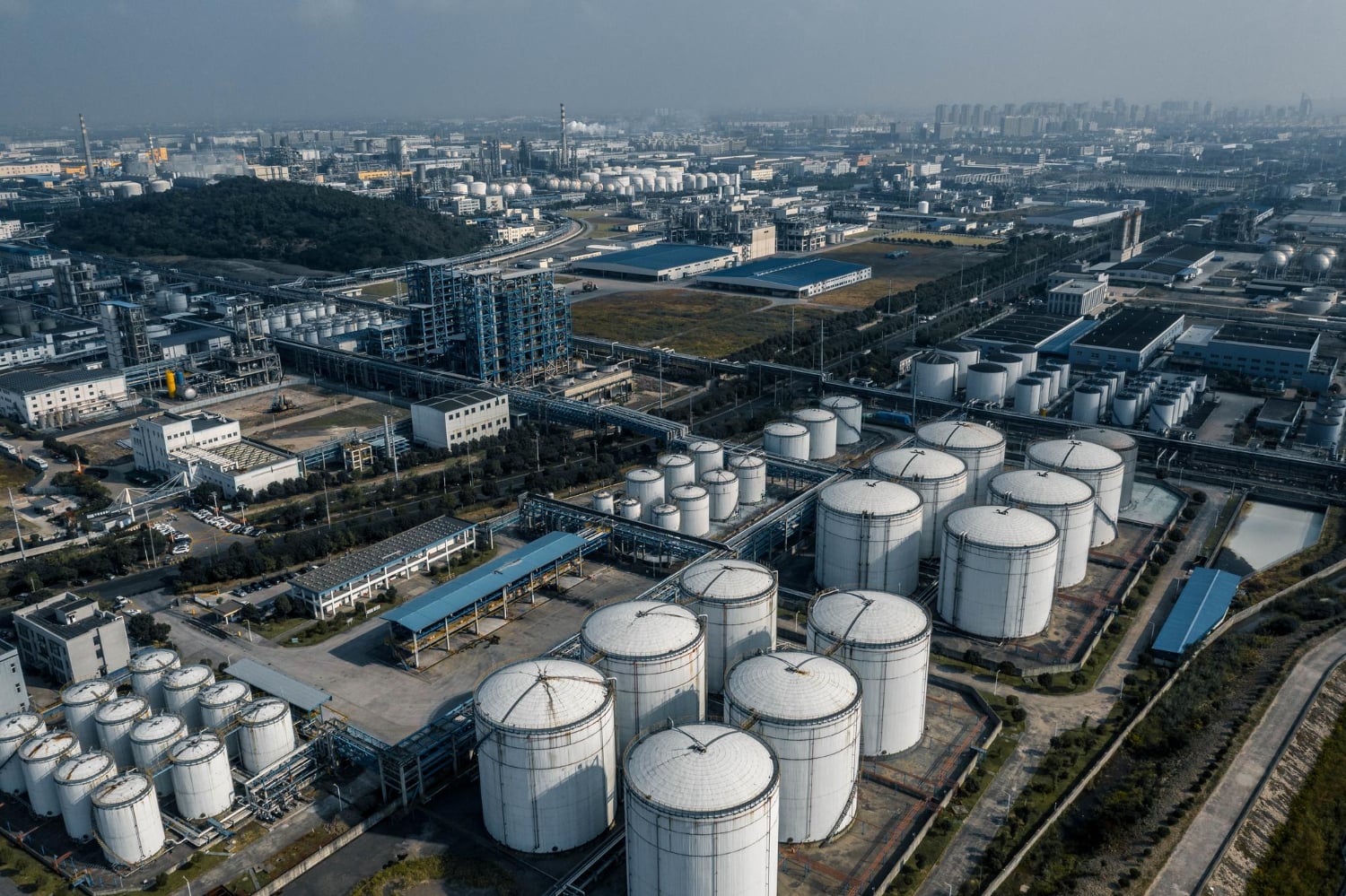
Brent crude oil futures closed at their highest level since April 29, while WTI ended the week with a 2.3% gain
On Friday, oil prices surged by more than $3, reaching their highest level in approximately six months. This rise was mostly driven by actions taken by the Houthis against Saudi Arabia.
Brent crude futures climbed $3.55 (3.14%) to reach $116.72 per barrel, the highest level since April 29, while U.S. West Texas Intermediate (WTI) crude closed at $103.27 per barrel, up $3.80 (3.8%).
For the week, Brent crude rose by 6%, and WTI increased by 2.3%.
Conflict has intensified between Saudi Arabia, the world’s largest crude oil exporter, and the Yemen-based Houthi movement.
On Thursday, Saudi Aramco ordered the evacuation of its headquarters in Dhahran, located on the Gulf coast near Bahrain.
The United Arab Emirates’ Ministry of Climate Change and Environment reported an oil spill from a tanker off the coast of Umm Al Quwain. The ministry provided no details regarding the cause of the spill, and authorities have yet to identify the vessel involved.
The market remains concerned about ongoing attacks on tankers, a trend that has escalated over the past week. Although there has been an increase in the volume of oil passing through the Strait of Hormuz, this situation could change at any moment.
Following the advance of Iranian-backed Houthi forces last month toward the Bab el-Mandeb Strait, a critical maritime chokepoint at the entrance to the Red Sea, clashes have intensified between the Houthis and the Saudi-led coalition that supports Yemen’s internationally recognized government.
October saw the highest frequency of attacks on commercial vessels in and around the Strait of Hormuz.
The U.S. Department of Energy announced the emergency release of up to 400,000 barrels of crude oil from the Strategic Petroleum Reserve (SPR) to address a supply disruption affecting a refinery in Lake Charles, Louisiana.
The Strategic Petroleum Reserve is currently at its lowest level since 1982, a decline driven in part by the use of these stocks during a conflict between the U.S. and Iran that disrupted supply lines. President Joe Biden, who preceded Trump, also authorized the release of oil from the same reserve following Russia’s invasion of Ukraine.
Meanwhile, Germany’s national oil stockpiling agency, EBV, has launched a tender for the sale of diesel, heating oil, and crude oil from its strategic reserves.
This move marks the first such sale by Germany since G7 nations, under pressure from Trump, agreed in early October to release oil from their strategic reserves.
On Thursday, Libya’s National Oil Corporation (NOC) reported that a valve on an oil pipeline, which runs from the Hamada and Tahara oil fields to the port of Zawiya, had been shut, leading to a decline in production at both fields.
Ship-tracking data has revealed that the first shipment of Russian diesel fuel to the U.S. since an export agreement was reached between Moscow and Washington is currently aboard a tanker heading toward New York.
In a closely watched report released on Friday, Baker Hughes stated that U.S. energy firms kept their total rig count unchanged for the second consecutive week. The total number of oil and natural gas rigs, an early indicator of future production, remained steady at 603 for the week ending October 23.
Related Articles

Concerns regarding energy supplies from the Middle East have driven oil prices up by more than 1%
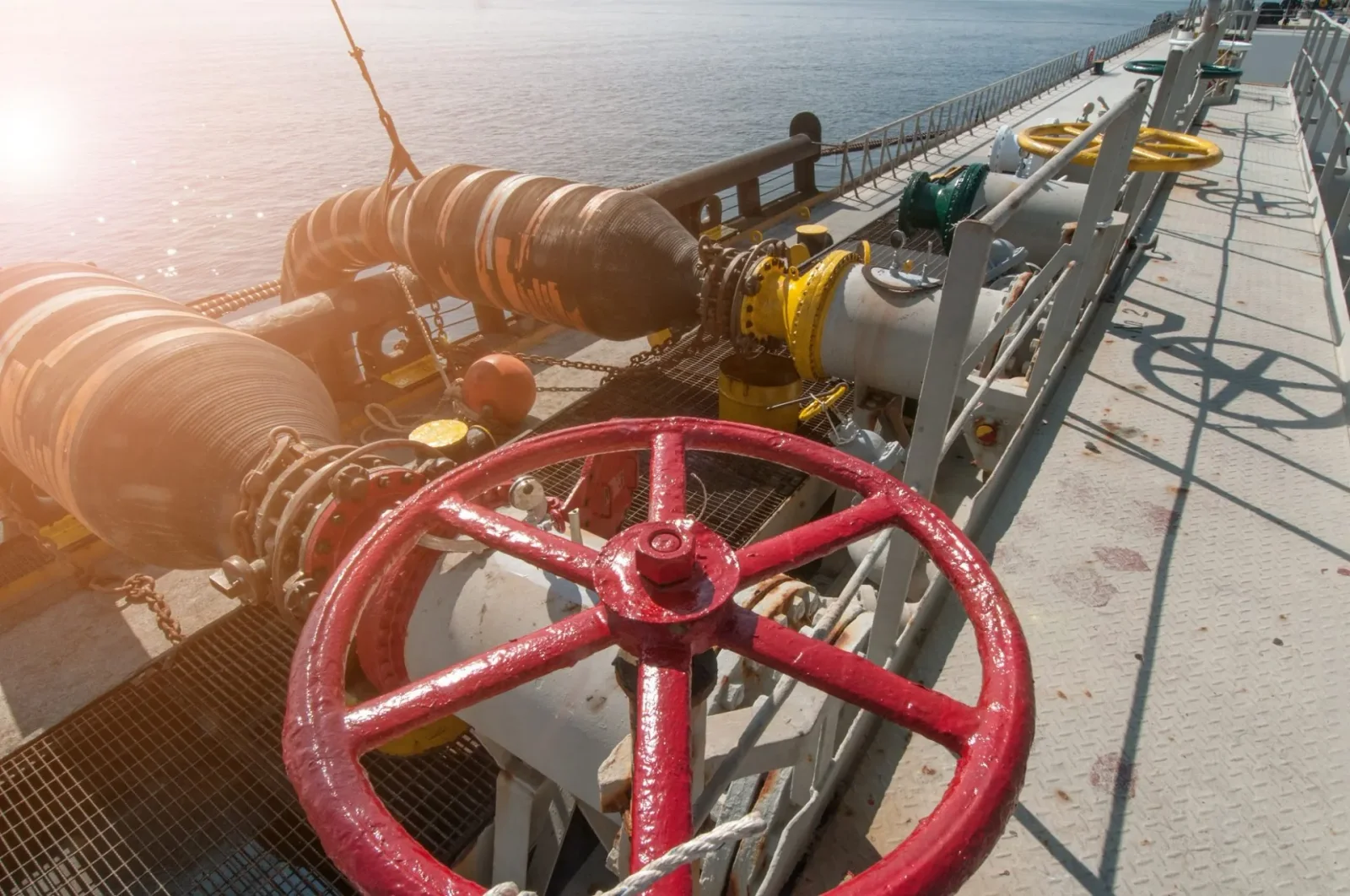
Oil prices rose by $2 as tensions escalated in the Middle East following attacks carried out by the Houthis
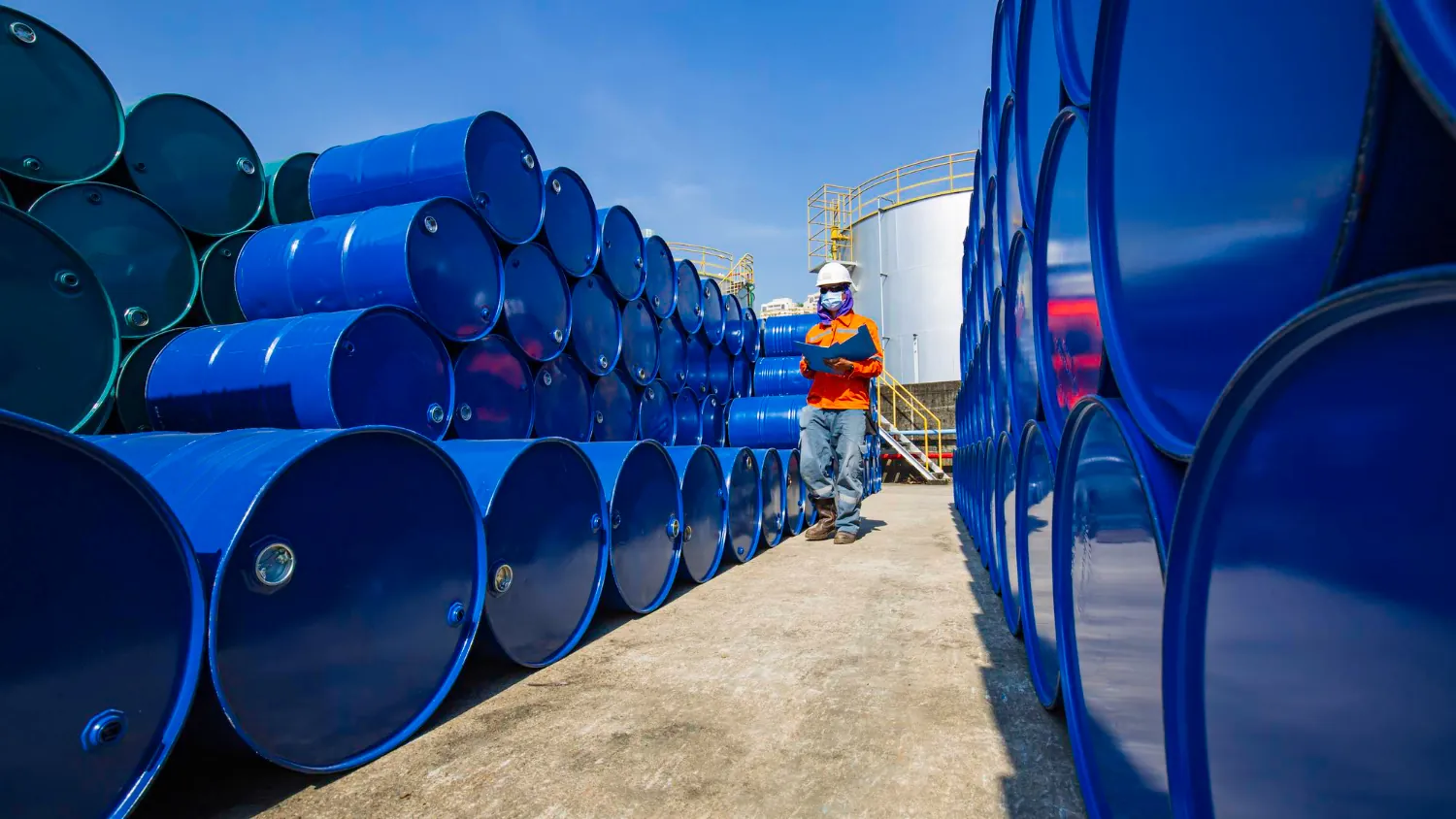
Oil prices retreat from a roughly six-month high