
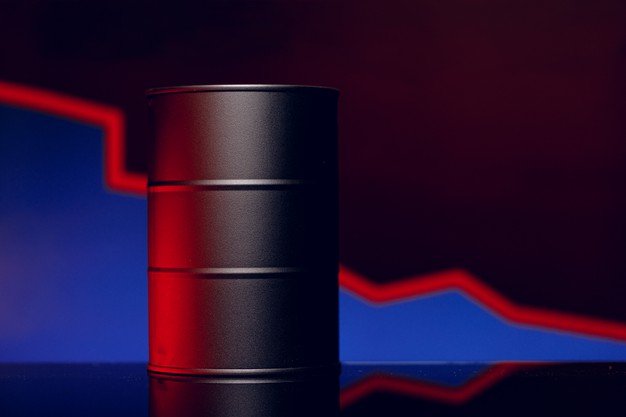
Oil tumbled more than 2% as investors focused on recession risk
High oil prices are a barrier to US corporate earnings, and some on Wall Street are worried it could push stock prices even further into the red.
Brent crude is up nearly 40% since the start of the year and remains at about $110.00 a barrel as tight inventories, increased demand and the war in Ukraine keep prices near their highest levels since 2014.
While Russia cuts off the gas, German industry grapples with painful alternatives. German industry stepped up efforts to find choices to keep factories running and limit economic costs. Companies are considering painful cuts to their production and are resorting to polluting forms of energy that were previously considered unthinkable.
According to the sources, Russia is increasing its gasoline and naphtha supplies to Africa and the Middle East while it is struggling to sell fuel in Europe. Asia already receives large volumes of Russian crude oil.
The development is likely to increase competition for Asian customers between Russia, the three largest suppliers to Asia, and other major fuel exporters (Saudi Arabia and the United States).
Oil prices continued to pull back on Thursday and fell more than 2% as investors readjusted their assessments of recession risks and fuel demand amid rising interest rates in major economies.
As of 0330 GMT, West Texas Intermediate (WTI) crude futures were down $2.6, or 2.7%, to $103.46 a barrel. Brent crude futures fell $2.5, or 2.3%, to $109.22 a barrel.
Both indicators are at their lowest levels since mid-May. Asian trade fell as much as $3 a barrel in the early morning hours after both had fallen nearly 3% in the previous session.
Investors continue to assess how worried they should be about the potential for central banks to push the world economy into recession as they try to curb inflation with rate hikes.
Oil markets are under pressure as fear that interest rate hikes in the US will stall the economic recovery and reduce fuel demand. US and European hedge funds are selling their positions before the end of the second quarter, which cools investor sentiment.
Federal Reserve Chairman Jerome Powell said on Wednesday that the central bank is not trying to design a recession to curb inflation, but is fully committed to keeping prices under control even if it risks an economic downturn.
On the supply side, a larger-than-expected increase could be seen in the near term, with data proving that the Russian crude supply is less affected by the sanctions than most people had previously anticipated.
Russia is in the process of diverting trade and oil exports from the BRICS group to emerging economies following Western sanctions, Russian President Vladimir Putin said on Wednesday.
China's crude oil imports from Russia in May increased by 55% compared to the previous year and are at a record level.
Meanwhile, the US Congress has been called upon to suspend the federal gasoline tax for three months to help combat record pump prices and provide temporary relief to American families this summer.
The U.S. Energy Information Administration (EIA) said the weekly oil data scheduled for release on Thursday will be delayed until at least next week due to system issues.
Related Articles

Oil prices are rising as supply concerns increase amid expectations of a prolonged conflict in the Middle East

Oil prices continued to rise following US and Iranian attacks on ships serving their respective purposes

Oil prices closed higher this week following renewed US-Iran hostilities
