
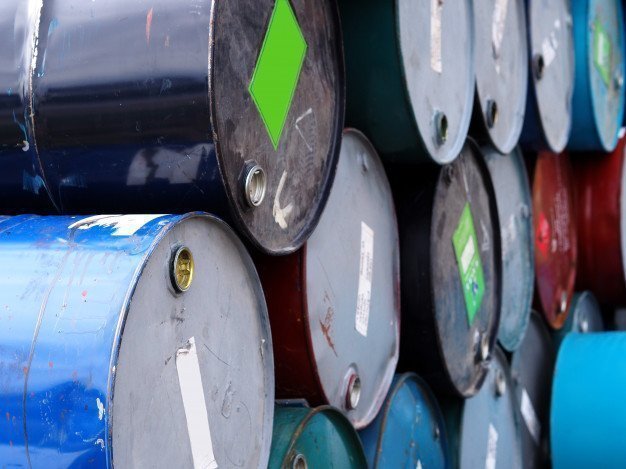
Oil prices fell as US-Iran tensions eased and the dollar strengthened
Prices fell for a second consecutive session as geopolitical risk premiums decreased. Market participants assessed the likelihood of a de-escalation of US-Iran tensions, while a strengthening dollar put further downward pressure on prices. A strong US dollar is putting more pressure on oil markets.
Brent crude futures fell 34 cents, or 0.5%, to $65.96 a barrel as of 06:23 GMT, while WTI crude fell 32 cents, or 0.5%, to $61.81 a barrel.
Oil prices fell more than 4% on Monday after Trump said serious talks were underway, indicating a de-escalation of tensions with OPEC member Iran.
Iran and the US are expected to resume nuclear talks in Türkiye on Friday.
Iranian President Masoud Pezeshkian stated that talks with the US should continue to secure Iran's national interests.
The volatility in oil prices seen over the past four weeks stems from a geopolitical risk premium linked to the current US administration's expansionist foreign policy, particularly regarding threats to Iran.
Another factor dragging prices down further is the US dollar index hovering near its highest level in over a week. A stronger dollar negatively impacts demand for dollar-denominated crude oil from foreign buyers.
The sustained recovery in the US dollar yesterday, following Trump's appointment of Kevin Warsh as the next Federal Reserve chairman, also put downward pressure on oil prices.
On the trade front, Trump announced a deal with India on Monday. Under this agreement, in exchange for India halting purchases of Russian oil and reducing trade barriers, US tariffs on Indian goods would be reduced from 50% to 18%. If this happens, it is likely to lead to a further increase in the amount of Russian oil floating at sea.
Some analysts expect volatility in price movements in the near term.
Related Articles

Oil prices are rising as supply concerns increase amid expectations of a prolonged conflict in the Middle East

Oil prices continued to rise following US and Iranian attacks on ships serving their respective purposes

Oil prices closed higher this week following renewed US-Iran hostilities
