
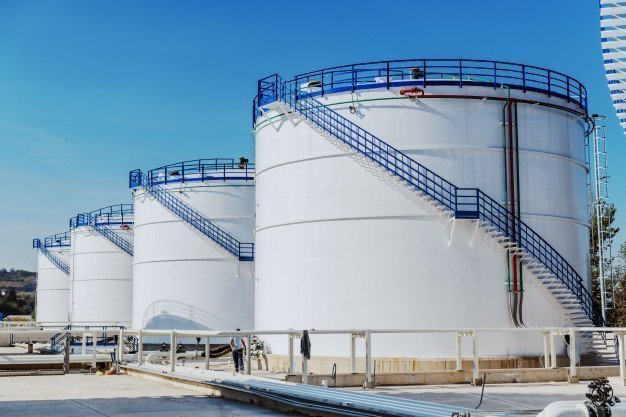
Oil prices are up on tight supply and risk appetite
Oil prices riding higher on growing fuel demand and a bigger-than-expected draw in U.S. crude inventories as production remains hampered in the Gulf of Mexico after two hurricanes. Oil extended gains on Thursday.
The market was bolstered by a broad return to risky assets as concerns about the possible default of giant real estate developer China Evergrande and its repercussions for the world's second-largest economy eased.
West Texas Intermediate (WTI) crude rose 25 cents, or 0.4%, to $72.48 per barrel as of 0552 GMT, while Brent crude rose 26 cents, or 0.3%, to $76.45 per barrel.
Both contracts rose 2.5% on Wednesday after data from the U.S. Energy Information Administration (EIA) showed U.S. crude stocks fell by 3.5 million barrels to 414 million barrels in the week to Sept. 17. Meaning the lowest drawdown since October 2018 bigger than expected.
Oil's structural outlook remains promising, as Gulf of Mexico production slowly returning as OPEC+ struggles to meet even current production quotas. Market sentiment is also supported by the rise in natural gas prices.
Many OPEC+ countries, including Nigeria, Angola and Kazakhstan, struggles to increase production in recent months due to insufficient investment or maintenance due to the COVID-19 pandemic.
East Coast refinery utilization rates in the United States rose to 93%, the highest since May 2019, in a sign of strong fuel demand as travel bans eased, according to EIA data.
Natural gas prices have risen sharply around the world in recent months. This is due to a combination of factors such as increased demand from Asia, low gas inventories and tighter-than-normal gas supplies from Russia, especially as we enter the post-pandemic recovery.
A colder winter this year could encourage utilities to switch from gas to oil.
The rise in oil prices came despite the dollar holding near a one-month high after the Federal Reserve signaled that rate hikes could come faster than expected next year.
Oil prices typically fall when the dollar rises because a stronger dollar makes oil more expensive for holders of other currencies.
Related Articles

Oil prices are rising as supply concerns increase amid expectations of a prolonged conflict in the Middle East

Oil prices continued to rise following US and Iranian attacks on ships serving their respective purposes

Oil prices closed higher this week following renewed US-Iran hostilities
