
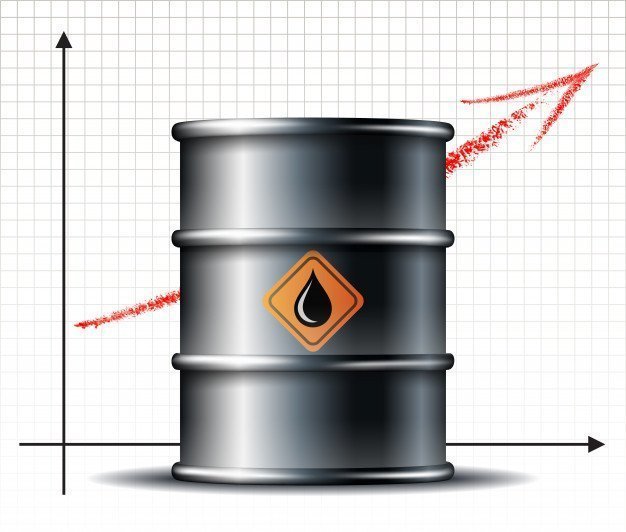
Oil prices soar on rhetoric of potential OPEC+ supply cuts
Oil prices rose on Thursday amid growing concerns over cuts to Russian exports, the potential for major producers to cut production, and a partial shutdown of BP's US refinery.
Brent crude rose 59 cents, or 0.6%, to $101.81 a barrel as of 0400 GMT, while West Texas Intermediate (WTI) crude was up 42 cents, or 0.4%, to $95.31 a barrel.
Both crude benchmark contracts hit three-week highs on Wednesday after the Saudi energy minister signaled the possibility of the Organization of the Petroleum Exporting Countries and its allies known as OPEC+ to cut production to support prices.
Brent crude oil prices rose above $100 a barrel after Saudi officials showed their intent to defend prices through OPEC+ production cuts if necessary.
However, there is still uncertainty for OPEC+ to justify production cuts, given the ongoing negotiations around the Iran nuclear deal and the worsening macroeconomic picture as the energy crisis becomes more alarming.
In the US, the world's largest consumer of oil, BP reported that it has shut down some units of its Whiting, Indiana refinery after an electrical fire on Wednesday. With a capacity of 430,000 barrels per day, the plant is a major fuel supplier to the central US and the city of Chicago.
Talks between the European Union, the US and Iran to revive the 2015 nuclear deal continue, saying Iran has received a response from the US to the EU's "final" text to revive the deal.
A cut by OPEC+ could coincide with the return of Iranian oil to the market if Tehran strikes a nuclear deal with world powers, as per OPEC sources.
Falling US crude and product inventories also contributed to the upward pressure on prices. Oil inventories fell by 3.3 million barrels in the week till August 19 to 421.7 million barrels, a steeper decline than analysts' estimates of 933,000 barrels.
Reflecting lower demand, US gasoline inventories fell less than expected and fell 27,000 barrels a week to 215.6 million barrels, compared with previous expectations for a decline of 1.5 million barrels.
Overall US gasoline demand has fallen in the most recent period, leaving the four-week average daily supply of gasoline products 7% lower than the previous year.
Related Articles

Oil prices are rising as supply concerns increase amid expectations of a prolonged conflict in the Middle East

Oil prices continued to rise following US and Iranian attacks on ships serving their respective purposes

Oil prices closed higher this week following renewed US-Iran hostilities
