
Weekly Price Drop: Oil Prices Experience First Weekly Decline Since Mid-December
US and Iran Disagree Over Agenda for Oman Talks. Geopolitical Risk Prevents Oil Price Fall.
US crude oil futures edged higher on Friday, but are on track for their first weekly drop in seven weeks as supply concerns eased and investors focused on the outcome of US-Iran nuclear talks in Oman later in the day.
Brent crude futures rose 25 cents, or 0.4%, to $67.80 a barrel at 03:53 GMT, while WTI crude also rose 25 cents, or 0.4%, to $63.54 a barrel.
Benchmark oil prices have fallen more than 3% from near six-month highs reached in late January when Trump threatened to attack Iran. The US and Iran will meet in Oman on Friday, but Tehran and Washington have yet to agree on the agenda for the talks. Iran only wants to discuss nuclear issues and does not want interference in its internal affairs on other matters.
In fact, there is a meeting schedule, but the two sides remain quite distant from each other, and tensions remain high. This situation is causing the geopolitical risk premium to persist.
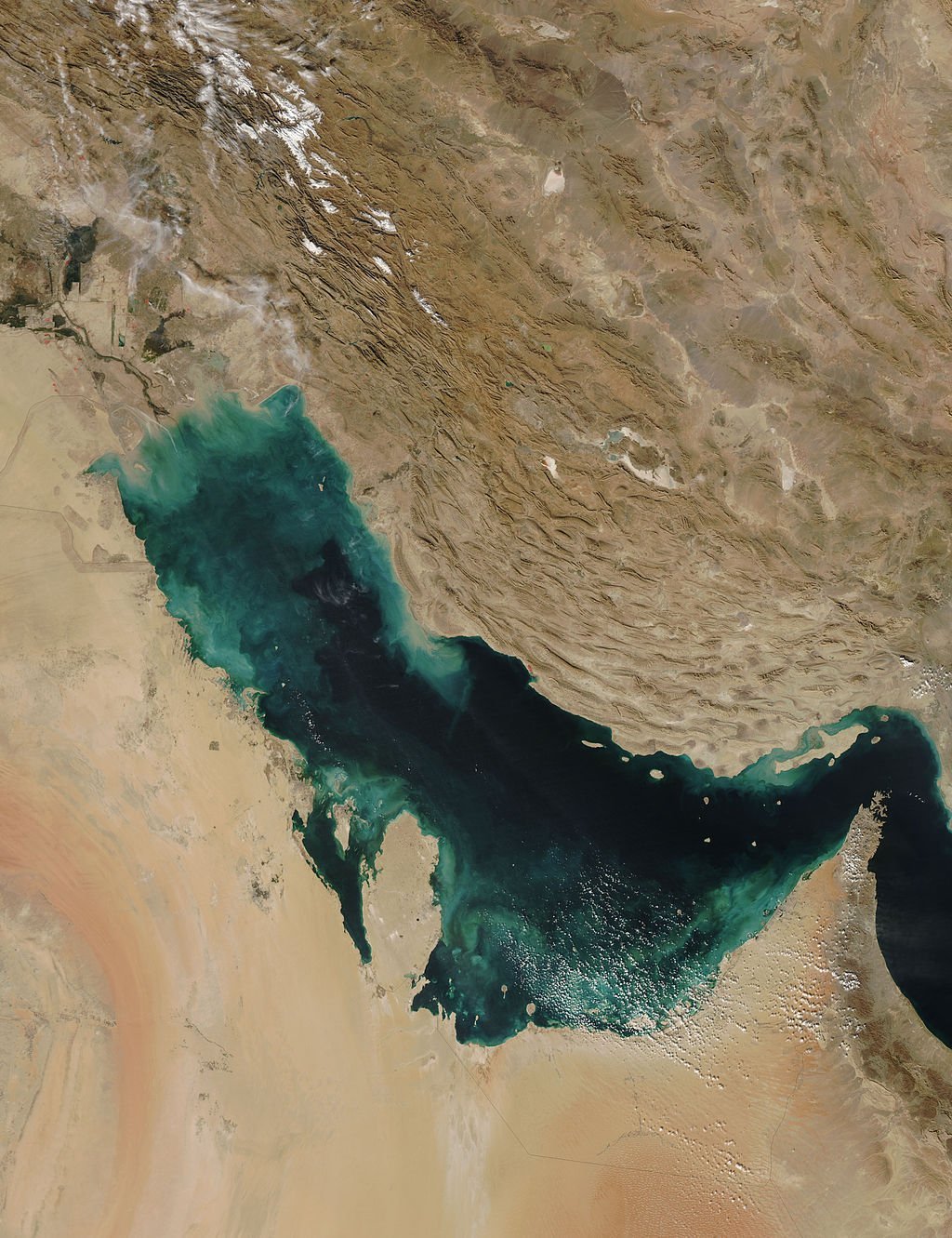
The escalation of tension between the US and Iran could disrupt oil flows, given that approximately one-fifth of the world's total oil consumption passes through the Strait of Hormuz between Oman and Iran.
Saudi Arabia, the United Arab Emirates, Kuwait, and Iraq, like OPEC member Iran, export most of their crude oil through this strait.
If US-Iran talks reduce the likelihood of conflict in the region, oil prices could fall further.
It is also possible that geopolitical fears will give way to weak fundamentals. A recovery in Kazakhstan's oil production, among other market fundamentals, could help bring oil prices down towards $50 per barrel by the end of 2026.
Related Articles

Oil prices are rising as supply concerns increase amid expectations of a prolonged conflict in the Middle East

Oil prices continued to rise following US and Iranian attacks on ships serving their respective purposes

Oil prices closed higher this week following renewed US-Iran hostilities
