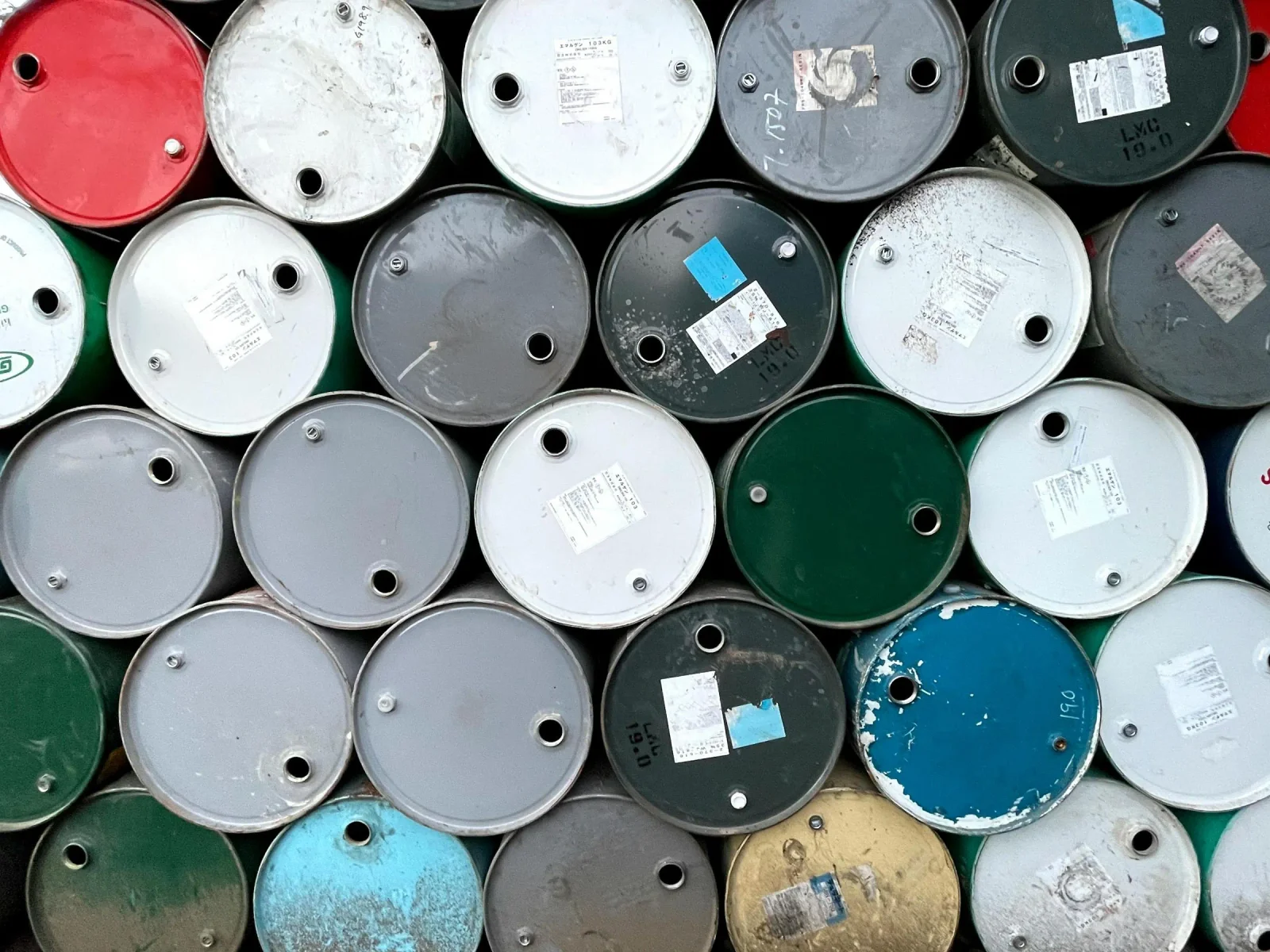
Oil prices continued to fall as the US halted its attacks in the hope of a solution to the US-Iran conflict
Oil prices fell on Tuesday as hopes for a resolution to the US-Iran conflict, which has significantly disrupted global energy flows, lingered. Crude oil futures dropped $1 a barrel, falling to their lowest level in more than a week.
Brent crude futures fell $1.47, or 1.66%, to $86.89 as of 03:26 GMT, reaching their lowest level since July 20. WTI crude also fell $1.45, or 1.76%, to $81.16 a barrel, also their lowest level since July 20.
Both contracts had already lost about 8% in the previous session after the US halted its airstrikes against Iran.
Trump said on Monday that there was a chance for a solution. However, he indicated that US attacks would resume if negotiations failed, and Iran made similar statements regarding retaliation.
This relief eased pressure on prices and eased concerns about Houthi attacks on Saudi infrastructure. However, the situation remains volatile.
Iran aims to maintain control over shipping traffic through Bab el-Mandeb and the Strait of Hormuz.
One of the main reasons prices are not even higher than they are now is the decline in demand, particularly in Asia.
Another factor dragging down oil prices is the resumption of oil shipments at the Caspian Pipeline Consortium's Black Sea terminal off the Russian coast, after a week-long pause following Ukrainian drone attacks.
However, analysts warned that the risk of spillovers into the Red Sea remains high after Saudi Arabia announced it shot down drones that targeted oil targets, including Riyadh. Saudi Arabia stated that the drones were launched from Iraq by Iranian-backed armed groups and reserved the right to retaliate.
Additionally, Iran’s Houthi allies in Yemen targeted the East-West Pipeline, which carries oil to Saudi Arabia’s main Red Sea port of Yanbu, in retaliation for Saudi drone strikes.
Flows through the strait remain low, with net exports of crude oil and refined products through the strait averaging 2.9 million barrels per day in the week ending July 24, compared to 5.9 million barrels per day the previous week.
Meanwhile, according to a preliminary survey, U.S. crude oil inventories likely decreased last week, along with gasoline, while distillate inventories likely increased.
Related Articles

Trump Halts Attacks to Allow More Time for Diplomacy

Oil prices rose after joint strikes in Iraq and the interception of Iranian ballistic missiles

Oil prices fell by more than $1 due to increased oil flows