
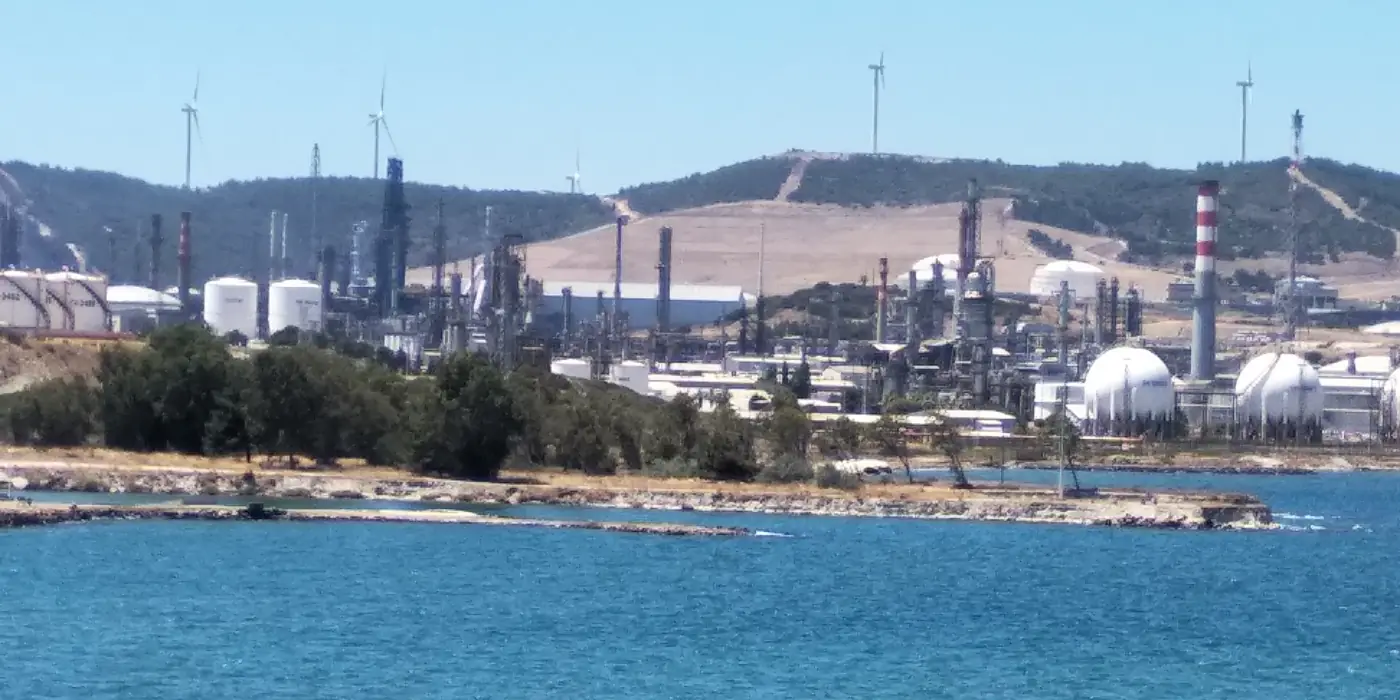
Türkiye, 38°48′N 26°56′E
Bunker Supplier in Aliağa
Bunkering at Aliağa takes place inside the Mediterranean ECA, so a ship without a scrubber burns 0.10% fuel at sea and in port. Place and method vary by jetty in Nemrut Bay.
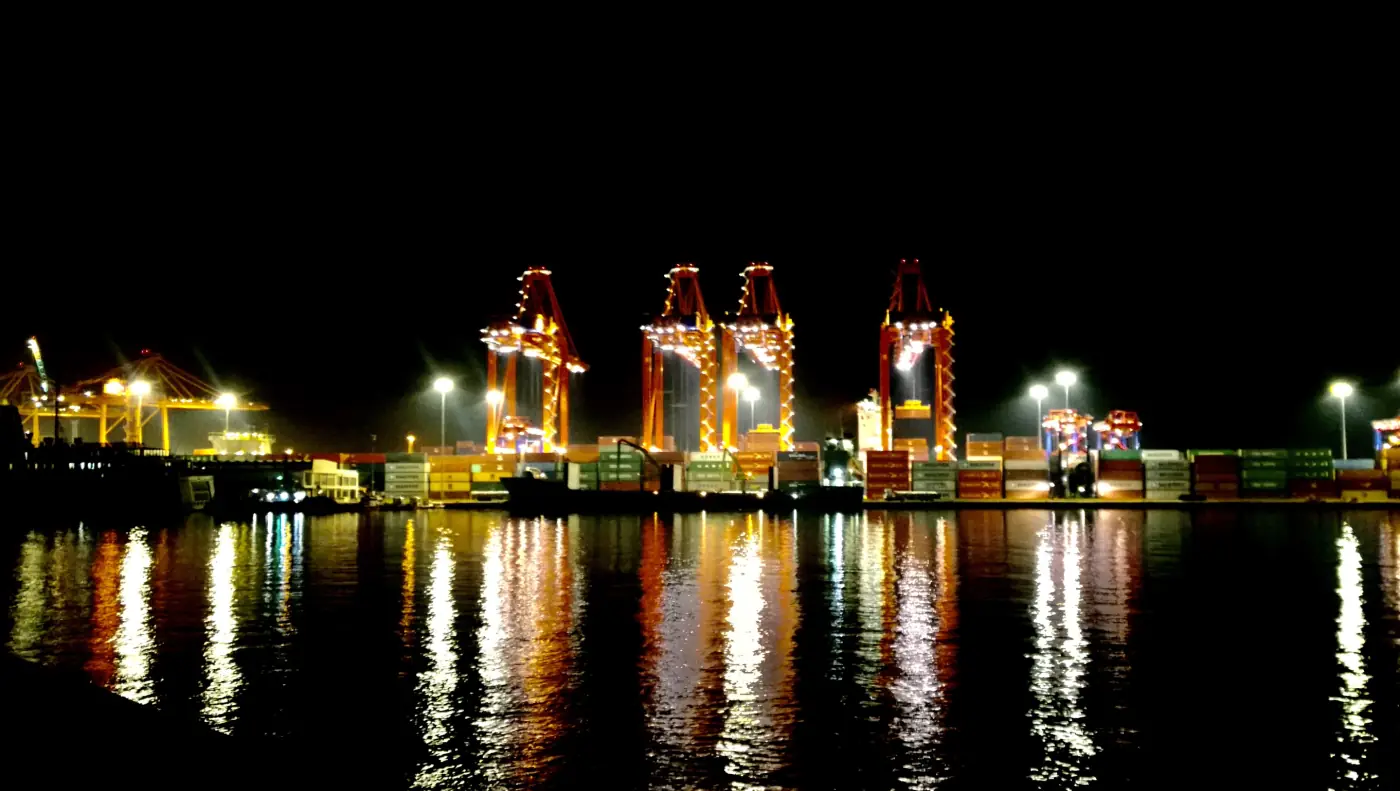
Photo: Ayratayrat, CC BY-SA 4.0, Wikimedia Commons
- Sulphur
- 0.10%, under way and in port
- Volume
- 2025: 88.7 million tonnes
- Authority
- Aliağa Harbour Master
- Products
- Fuel oil, MGO, marine lubricants
Bunkering in Aliağa
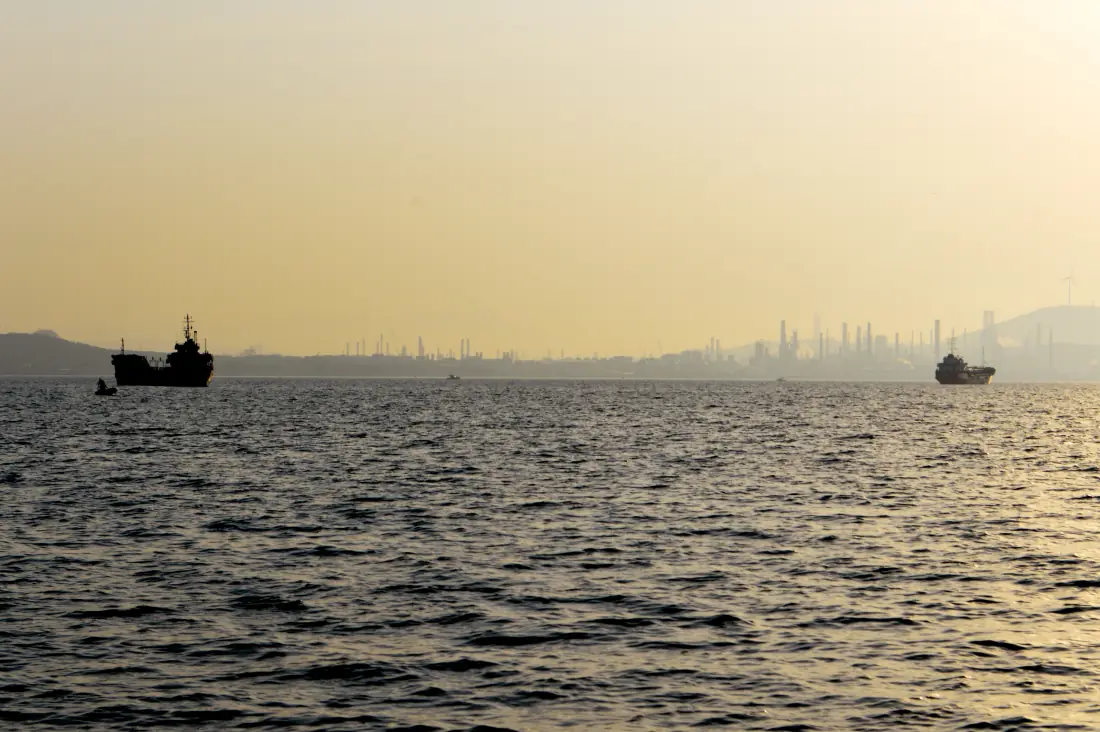
The Aliağa port authority area ranked first in Türkiye in 2025 with 88.7 million tonnes, and also handled 1.7 million TEU (TÜRKLİM). Most of the tonnage comes from the Tüpraş Izmir and STAR refineries north of Izmir, and from crude, products, LPG, scrap and steel at the Nemrut Bay jetties. The area is also known for its ship recycling yards.
This coast calls for a different fuel calculation from the Marmara. The ECA starts as soon as a ship passes south of the Dardanelles, and it reaches the bay on 0.10% fuel. A ship returning north from the Aegean plans its tanks for both areas.
Bunkering Process in Aliağa
Berth
State at the start whether it is Aliağa, Nemrut Bay or another berth in the Izmir region. Delivery options are settled by location in the offer.
Grade Specification
Without a scrubber, the order states grade and sulphur together, for example DMA, max 0.10% S, ISO 8217:2024.
Delivery at Refinery Jetties
At oil-handling facilities, ship-to-ship bunkering is not allowed during cargo operations. It takes place before or after, with facility and harbour master permission.
Documents
The sulphur value on the BDN has to fit the ECA limit. The BDN stays on board for three years and the sample for at least 12 months.
Bunkering Requirements in Aliağa
Rules change. Confirm current practice with the port agent.
Sulphur Limit
The port is inside the Mediterranean ECA, with a 0.10% limit since 1 May 2025. A ship without a scrubber may not burn 0.50% VLSFO in these waters.
FONAR
If compliant fuel cannot be found, MARPOL Regulation 18 allows a fuel oil non-availability report. It is not an exemption, and cost is not an accepted reason (REMPEC).
Rules Across Türkiye
Fuel delivery to ships is called ihrakiye in Turkish law, and Trade Ministry circular 2024/3 requires the supplier to hold the relevant EPDK licence. Article 34 of the Ports Regulation limits bunkering to quays, jetties and anchorages the harbour master approves, and requires the supplying vessel to carry pollution liability insurance. Customs may compare fuel on board with the arrival declaration; a local agent's alert says any excess can be treated as smuggling and taken ashore. On scrubbers, a 2020 letter from the Maritime Directorate says there is no general ban on washwater discharge but sludge may not go into the sea. The American Club's summary of the 2026 fine tariff lists "foam scrubber system wash water" among fined wastes, so ask your agent before discharging.
Products and Quotes for Aliağa
We quote for fuel oil (including VLSFO), gas oil (MGO) and marine lubricants. For details see Fuel Oil and Gas Oil and Marine Oils.
Aliağa Bunker Supply: Common Questions
Can a ship buy VLSFO at Aliağa?
Buying and burning are separate questions. A ship without a scrubber cannot burn 0.50% fuel in the Mediterranean ECA, though it may carry it for use outside.
Are Aliağa and Nemrut the same place?
Nemrut Bay is within the Aliağa area, but the jetties differ. A quote needs the exact berth.
How much cargo does Aliağa handle?
According to TÜRKLİM, the Aliağa port authority area handled 88,699,276 tonnes in 2025.
Sources (9)
- TÜRKLİM: sektör istatistikleri (2025)
- IMO, MEPC.361(79): Mediterranean Sea SOx ECA
- REMPEC: Med SOx ECA under MARPOL Annex VI
- Bazı Akaryakıt Türlerindeki Kükürt Oranının Azaltılmasına İlişkin Yönetmelik
- Limanlar Yönetmeliği
- Ticaret Bakanlığı, 2024/3 sayılı İhrakiye Teslimleri genelgesi
- Deniz Ticaret Odası: karasularında scrubber ve yakıt kullanımı sirküleri (2020)
- American Club: Environmental Pollution Fines in Turkey (Aralık 2025)
- Kalimbassieris Maritime: Türk limanlarında fazla bunker uyarısı
This page is general information, not legal advice. Last checked: 4 November 2026.