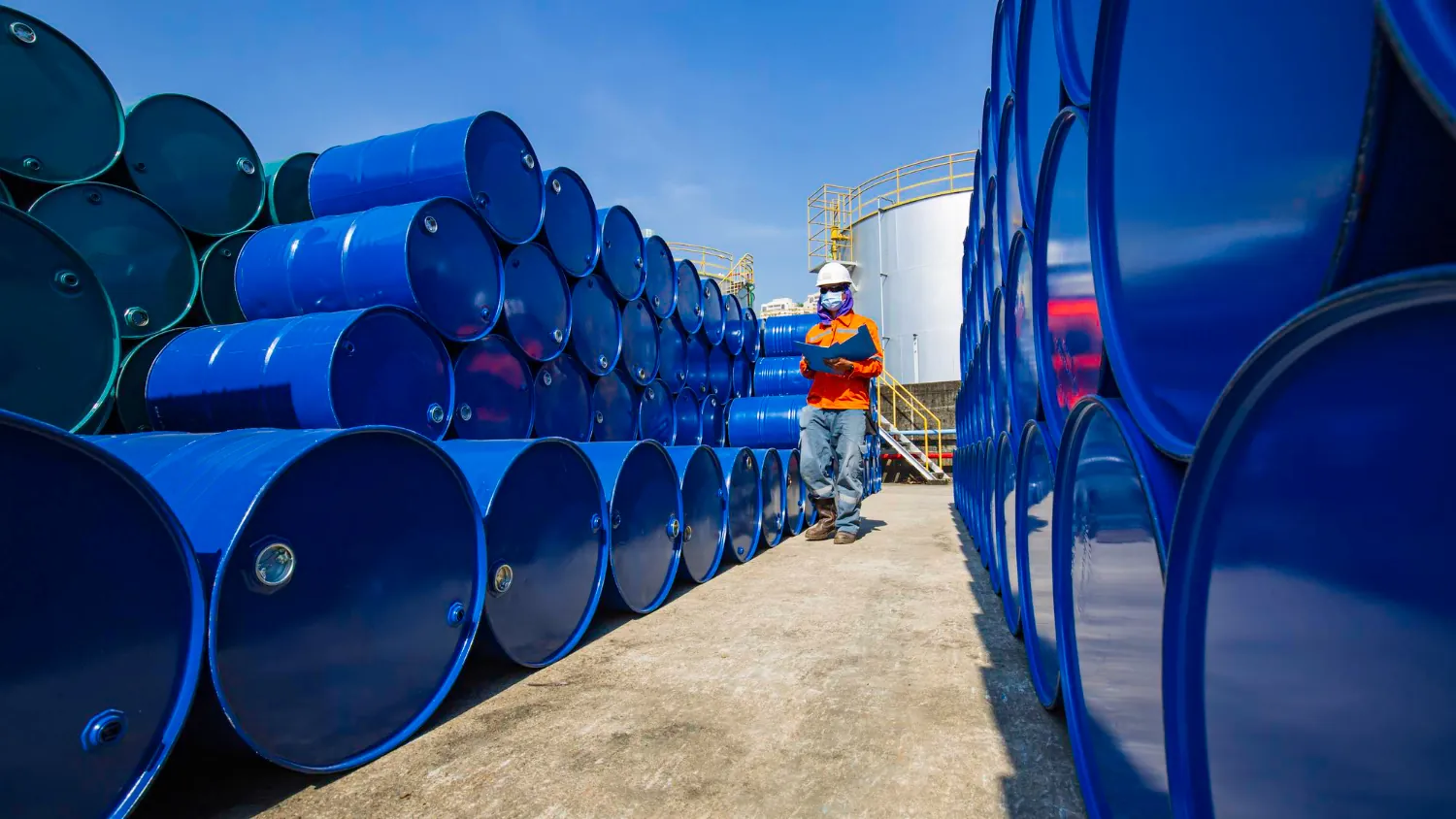
Oil prices rose after peace talks stalled following Trump's rejection of a peace deal
Trump rejected the peace deal proposal, though further talks are expected this week. Brent crude oil gained more than 3% on Monday after Trump turned down the offer, keeping tensions in the Middle East high.
Brent crude futures rose $3.43, or 3.29%, to $107.75 per barrel at 08:40 Turkish time (05:40 GMT), while WTI crude traded at $94.55 per barrel, up $2.14 or 2.32%.
Iran had announced a peace proposal last week at the UN General Assembly in New York, stating that the offer had been conveyed to the Americans via Qatari mediators. Trump announced on Saturday that he had rejected the plan, but in an interview on Sunday, he expressed his expectation that negotiators would hold further talks this week.
The $120-per-barrel level remains a critical resistance point for Brent futures. Unless prices can sustain themselves above this level, a pullback is likely, particularly if maritime shipments improve or progress is made in the negotiations.
In Yemen, the Saudi-led coalition announced early Saturday that it had neutralized attacks directed by the Iran-backed Houthis.
Brent crude saw a slight increase of 0.4% last week; However, WTI fell 7.9% amid concerns that the U.S. might ban diesel exports to lower record-high prices, a move that could also curtail U.S. refinery output.
Refined petroleum products remain a source of pressure as record U.S. diesel prices heighten inflation risks and reignite debates over potential export restrictions. Officials added that any U.S. restriction on diesel exports would tighten supplies outside the U.S., causing European prices to react to the prospect of reduced American supply.
Meanwhile, data showed that crude oil exports from key Middle Eastern producers rebounded in September to reach 12.8 million barrels per day, the highest level seen since the war began in February, driven by increased exports from Saudi Arabia and the United Arab Emirates.
The figures revealed that this rise followed a recovery in shipments through the Strait of Hormuz; shipments for the month were expected to reach approximately 7.4 million barrels per day as Saudi Arabia shifted exports from the Red Sea port of Yanbu to the eastern port of Ras Tanura following attacks that damaged the East-West pipeline.
Related Articles

Oil prices rose for a second straight session amid persistent concerns that the war could disrupt supply
Oil prices rose after Trump dismissed claims that he was willing to ease sanctions

According to sources, U.S. and Iranian negotiators are working on a phased approach to end the conflict