
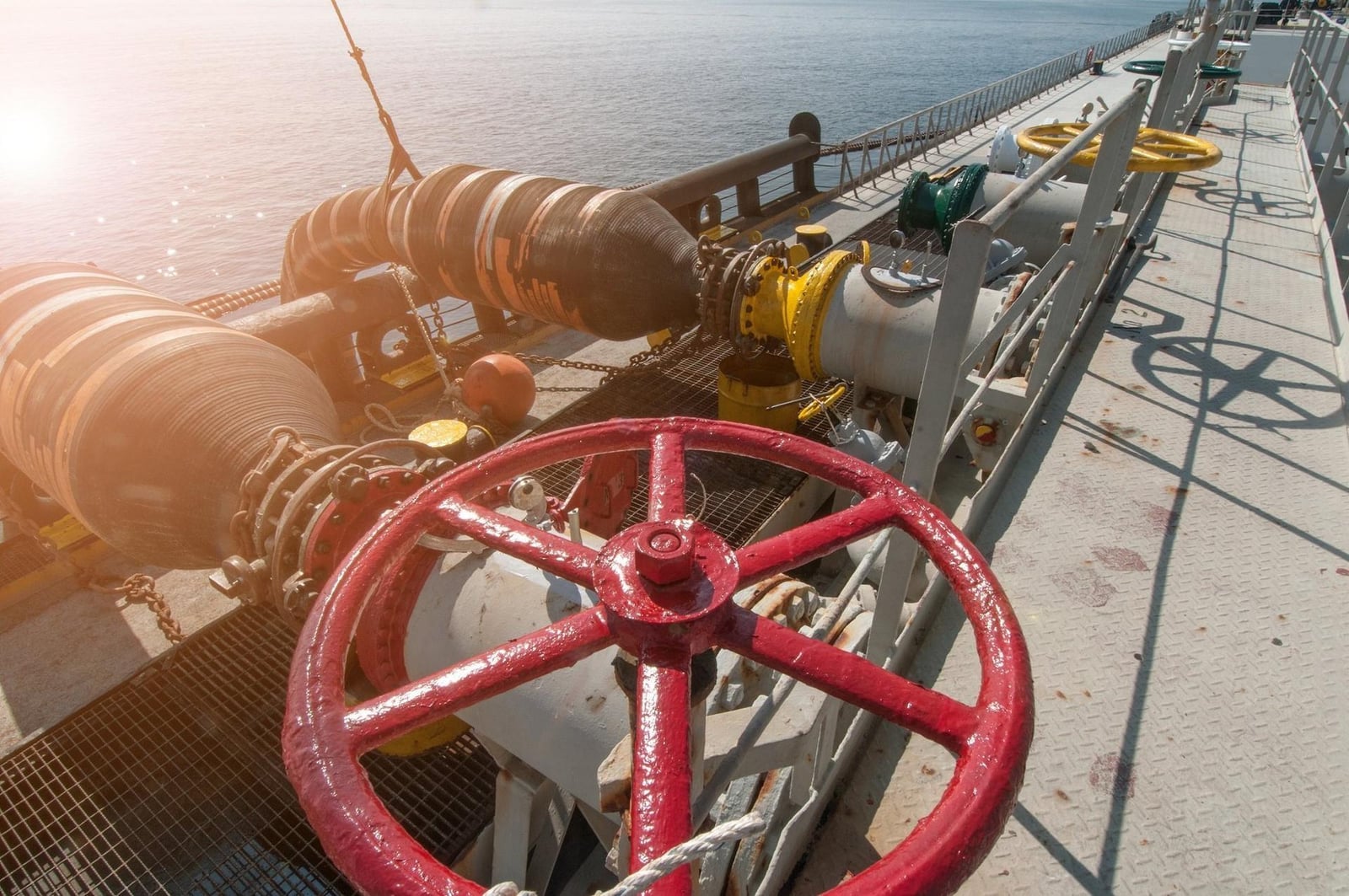
Oil prices rose on Monday after news that the U.S. had stopped an oil tanker in international waters off the coast of Venezuela
Oil prices surged on Monday after officials announced the U.S. had stopped an oil tanker in international waters off the coast of Venezuela, increasing supply uncertainty. The Trump administration is taking a tough stance on the Venezuelan oil trade.
Brent crude futures rose 46 cents, or 0.8%, to $60.93 a barrel as of 04:00 GMT, while WTI crude also rose 46 cents, or 0.8%, to $56.98.
Trump's stance on Venezuela is adding upward support to an already very bearish oil market, fueled by simmering Russia-Ukraine tensions on the supply side.
The U.S. Coast Guard is tracking an oil tanker in international waters near Venezuela. Officials said on Sunday that this would be the third such operation. The White House has not commented.
The rebound in oil prices stemmed from geopolitical developments, beginning with Trump's announcement of a "complete and total" blockade of sanctioned Venezuelan oil tankers, followed by news of a Ukrainian drone attack on a Russian shadow fleet ship in the Mediterranean.
In fact, the market is losing hope that US-brokered Russia-Ukraine peace talks will soon reach a lasting agreement, especially after a new Ukraine aid package was announced.
The Ukraine-Russia conflict continues to be leveraged for oil prices, helping to offset ongoing concerns about a supply surplus. The balance of risk is very close to a renewed upward move in crude oil.
Brent and WTI oil prices fell by about 1% last week, after dropping by about 4% in the week of December 8.
While US officials continue to write a narrative of being close to a compromise, Putin's top foreign policy advisor said on Sunday that changes made by Europeans and Ukraine to US proposals did not increase hopes for peace.
Related Articles

Oil prices are rising as supply concerns increase amid expectations of a prolonged conflict in the Middle East

Oil prices continued to rise following US and Iranian attacks on ships serving their respective purposes

Oil prices closed higher this week following renewed US-Iran hostilities
