
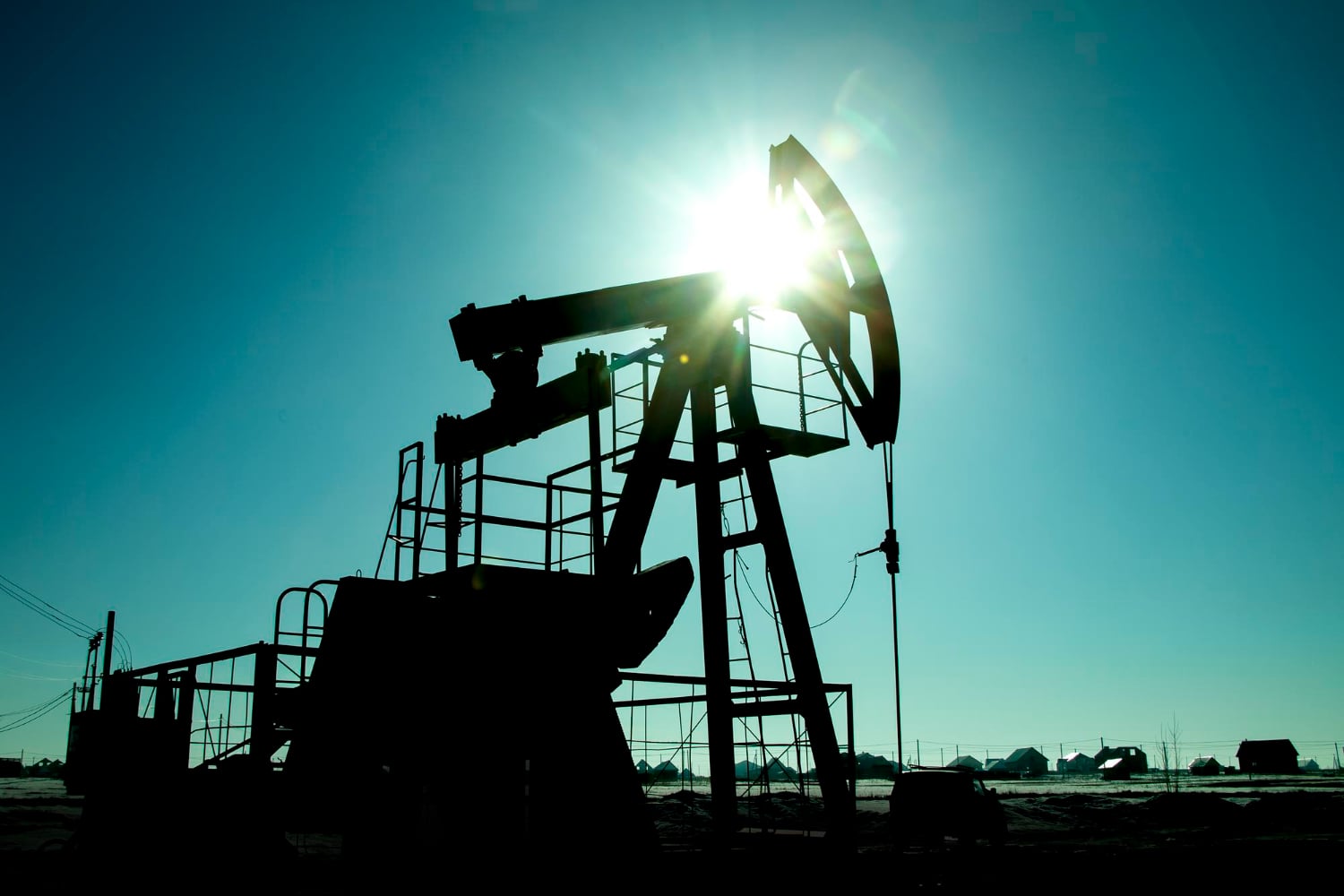
Oil prices surge more than 2% as US-Iran talks drag on
US-Iran talks ended without an agreement, but there are signs of progress, and technical discussions will be held in Vienna next week. Oil prices rose nearly 2% on Friday as nuclear talks between the US and Iran failed to reach an agreement.
Benchmark Brent and WTI prices traded at months-long highs.
Brent crude futures closed up $1.73, or 2.45%, at $72.48 a barrel. WTI crude closed up $1.81, or 2.78%, at $67.02 a barrel.
Both sides agreed to extend indirect negotiations into next week, but investors began to doubt the possibility of an agreement between the Trump administration and Iran. The likelihood of Iran agreeing to the Trump administration's demands seems low.
Brent and WTI were trading at their highest levels since July and August respectively, and were poised for weekly gains of over 1%.
The US and Iran held indirect talks in Geneva on Thursday after Trump ordered a military buildup in the region.
Oil prices rose by more than a dollar a barrel during the talks, after the US indicated the negotiations had stalled due to Iran's insistence on reducing uranium enrichment to zero. However, prices fell after an Omani mediator said both sides had made progress.
On February 19, Trump said Iran needed to reach an agreement on its nuclear program within 10 to 15 days, otherwise "really bad things" would happen.
The latest talks offered hope for a peaceful solution, but military intervention is by no means out of the equation. Now, talks are underway to resume negotiations at a technical level in Vienna next week.
It is clear that geopolitical risk premiums of $8 to $10 per barrel are being reflected in oil prices, due to fears that Middle Eastern supply through the Strait of Hormuz, which carries about 20% of global oil supply, could be disrupted by a conflict.
According to sources, UAE oil producer Abu Dhabi is preparing to increase exports of its flagship Murban crude oil in April to mitigate the impact of a potential strike. Earlier this week, other sources indicated that Saudi Arabia would also increase its oil production.
Furthermore, Saudi Arabia could boost April crude oil prices to Asia by about $1 for the first time in five months due to higher demand from India to replace supply from Russia.
Meanwhile, according to sources, the producer group OPEC+ may consider increasing oil production by 137,000 barrels per day for April at its meeting on March 1, after suspending production increases in the first quarter.
Related Articles

Oil prices are rising as supply concerns increase amid expectations of a prolonged conflict in the Middle East

Oil prices continued to rise following US and Iranian attacks on ships serving their respective purposes

Oil prices closed higher this week following renewed US-Iran hostilities
