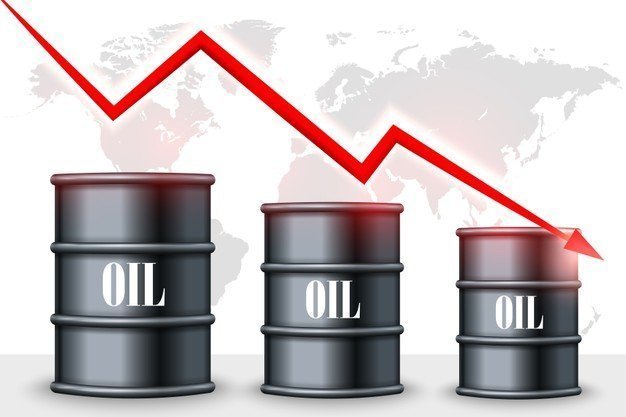
Oil slumped more than 1% on economic worries and recession fears
Oil prices fell more than 1% in a volatile week on Thursday as economic worries and recession fears gripped global financial markets, weighing on supply concerns and geopolitical tensions in Europe.
Brent crude futures were down $1.32, or 1.2%, to $106.19 a barrel as of 0646 GMT. West Texas Intermediate (WTI) crude futures fell $1.52, or 1.4%, to $104.19 a barrel.
Oil prices are under pressure this week, along with global financial markets due to rising interest rates, the strongest US dollar in two decades, inflation, and fears of a possible recession. The long-term COVID-19 quarantines in China, the world's largest importer of crude oil, also affected the market.
U.S. headline CPI for the 12 months to April jumped 8.3%, reaffirming concerns that interest rates will need to rise quickly to tame it.
But supply concerns stemming from the Russian invasion of Ukraine have bolstered the market, with oil prices rising more than 35% so far this year.
The Europe Union is still negotiating details of the Russian embargo. A unanimous sanction decision banning oil from Russia, a major supplier of crude oil and fuels to the EU, could further tighten global supply. However, it was delayed because Hungary and some other Eastern European countries opposed the ban, not wanting to risk the damage to their economy.
On Wednesday, oil prices rose 5% after 31 companies in countries that had been sanctioned after Russia's invasion of Ukraine took the decision to impose an embargo.
While this situation created uneasiness in the market, at the same time, Russian natural gas sent to Europe via Ukraine fell by a quarter.
Price increases were also limited by concerns over demand destruction in China as it tries to contain the spread of the coronavirus. Until significant policy support or an alternative strategy to COVID is adopted in China, oil prices may remain limited in the near term.
Commercial crude inventories in the U.S. rose last week due to record oil releases from U.S. strategic reserves, but gasoline inventories fell prior to the high summer driving season, the Energy Information Administration said on Wednesday.
Related Articles

Oil rises as European Union seeks support to ban Russian oil
Oil prices rose about 1.5% on Friday, but are poised for a weekly drop

Oil drops amid global economic worries and strong dollar pressure