
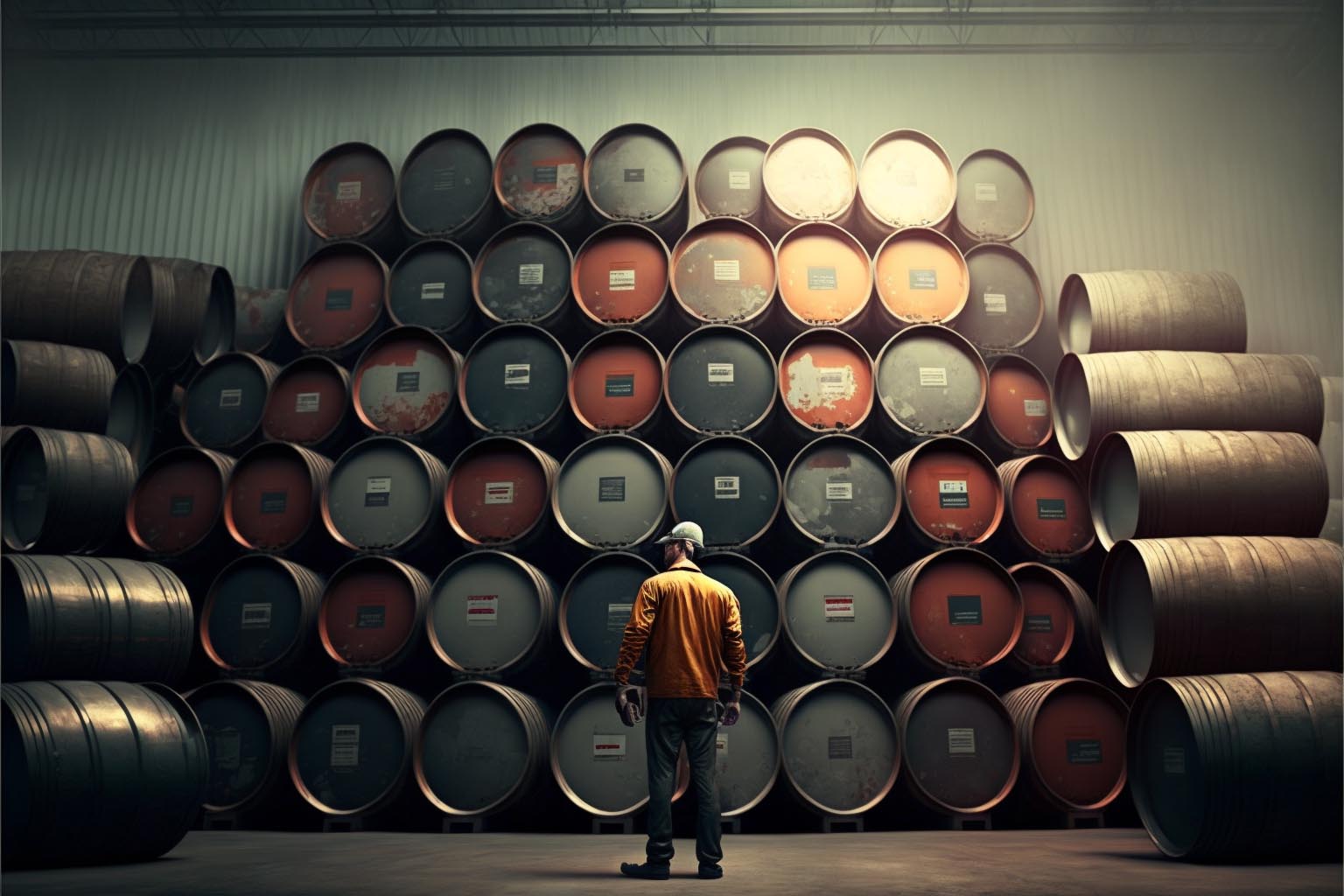
Uncertainty surrounding supply disruptions in Venezuela and Iran boosted oil prices
Global inventories are rising, and a supply surplus could limit further increases in oil prices. Oil prices rose for a second consecutive day on Friday and are on track for a third weekly gain. This rise is driven by uncertainty surrounding the future of Venezuelan supply and increased production concerns stemming from unrest in Iran.
Brent futures rose 40 cents, or 0.7%, to $62.39 a barrel at 04:00 GMT, while WTI rose 35 cents, or 0.6%, to $58.11.
Both benchmark prices have risen more than 3% on Thursday after two consecutive days of decline, with Brent expected to gain 2.7% weekly and WTI 1.4%.
The increase in geopolitical tensions is fueling the current momentum in oil prices. Bottlenecks in the flow of sanctioned goods and signals of stable demand appear to be offsetting, at least for now, expectations of a supply surplus in 2026.
The US aims to control Venezuela's oil sector following the capture of Maduro.
Prices rose after Venezuelan President Nicolas Maduro was arrested in a military operation last week and taken to the US for trial, along with claims that the US would control the South American country's oil sector.
Concerns about internal unrest in major Middle Eastern producer Iran and the potential spread of the Russia-Ukraine war, targeting Russian oil exports, also increased supply anxieties.
The price increase stems primarily from the uncertainty of Trump's claim to control Venezuela's oil exports.
Just days after capturing Maduro on Saturday, Trump demanded that Venezuela grant the US full access to its oil sector. US officials said Washington would control the country's oil sales and revenues indefinitely.
According to sources, major oil companies are vying for initial deals to market up to 50 million barrels of oil that the state oil company PDVSA accumulated in its inventories during a severe oil embargo that included the seizure of four tankers.
Oil prices rose after several days of stagnation, partly as a result of geopolitical risks being previously overlooked.
The market will focus in the coming days on how the Venezuelan oil in storage will be sold and delivered. If no restrictions are placed on sales, concerns about oversupply may persist. Prices are likely to fall.
It would not be wrong to expect the rise to be temporary, as global inventories are increasing and oversupply remains a major factor that could limit further rise, and this will be limited and unsustainable.
Related Articles

Oil prices are rising as supply concerns increase amid expectations of a prolonged conflict in the Middle East

Oil prices continued to rise following US and Iranian attacks on ships serving their respective purposes

Oil prices closed higher this week following renewed US-Iran hostilities
