
Oil prices are on track to record their largest weekly gain since mid-July
Although oil prices dipped on Friday, both benchmarks are poised to close the week above $100 for the first time in nearly four months, driven by fears that escalating attacks in the Middle East could lead to prolonged supply disruptions.
Benchmark oil prices retreated from early gains on Friday following reports that Middle Eastern foreign ministers had begun working on a provisional agreement with Iran to manage maritime traffic in the Strait of Hormuz. Analysts say the extent of the rally will depend on the volume of purchases made by China.
As of 05:55 GMT, Brent crude futures had fallen $2.01 (1.9%) to $105.62 per barrel, while WTI crude dropped $1.38 (1.4%) to $101.10 per barrel.
Benchmark oil prices remain up approximately 13% for the week, the largest weekly gain since the week ending July 17. Both benchmarks had surged more than 6% on Thursday.
Attacks by Yemen-based Houthis indicate that tensions are spilling over beyond the Strait of Hormuz. Analysts note that attacks launched from Yemen against Saudi energy facilities signal an escalation of tensions beyond Iran and the Strait of Hormuz, heightening concerns about potential long-term disruptions across the wider region.
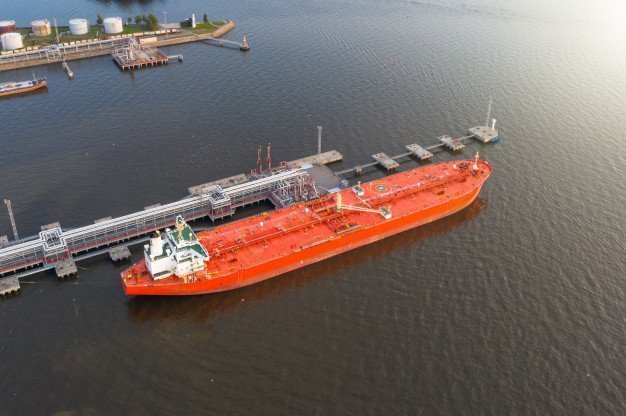
As the pro-Iran Houthis escalate threats to Red Sea traffic, shipping through the Strait of Hormuz remains constrained due to a recent surge in tanker attacks in the region.
Diesel prices in the US have surpassed the $6-per-gallon mark for the first time. Supply disruptions stemming from the US-Iran conflict and Ukrainian attacks on Russian refineries pushed the average US diesel price above $6 per gallon on Thursday.
Despite this, Trump gave no indication of easing his stance on Iran. On the contrary, he warned that the US could strike Mount Pickaxe, though he expressed his belief that the conflict would end immediately after the November midterm elections.
Iran announced on Wednesday that it had attacked 10 vessels near the Strait of Hormuz, following a US strike on five Iranian oil tankers, and stated that it would escalate its response to future attacks.
With the situation spiraling out of control and Iran demonstrating a willingness to expand and prolong the conflict, the likelihood of WTI crude oil retesting its early-March peak of $119.48 has increased. If China continues its purchasing, this could amplify the impact of supply disruptions and drive prices even higher.
According to OPEC's monthly report, the organization lowered its forecast for global oil demand growth for 2026 to 380,000 barrels per day, marking the fifth consecutive downward revision. Meanwhile, a study revealed that OPEC's oil production fell by 640,000 barrels per day in August.
Related Articles
Major attacks on maritime shipping initiated by Iran and the US spark serious supply concerns
Oil prices rise weekly despite recent fall, driven by supply tightness

Oil prices approached the $100 mark as escalating attacks across the Middle East increased supply risks