Oil prices continued to rise amid ongoing uncertainty in the Strait of Hormuz
Investors saw oil prices rise for the fourth consecutive day on Wednesday as Tehran and Washington failed to agree on a protocol for managing the Strait of Hormuz.
Brent crude futures rose 69 cents, or 0.8%, to $91.71 as of 04:15 GMT, while WTI crude futures increased 76 cents, or 0.9%, to $85.70 a barrel.
Diminished hopes for peace between the U.S. and Iran caused both contracts to close at their highest levels in more than three weeks on Tuesday.
In the Strait of Hormuz and the Bab el-Mandeb Strait, risks to shipping traffic are rising again as attacks by Iran and the Houthis continue, supporting oil prices in the short term.
Trump, continuing to view the situation from his own perspective, said on Tuesday that no talks had taken place with Iran and denied Iran's claim that the critical waterway was closed to shipping, emphasizing that the Strait of Hormuz remained open.
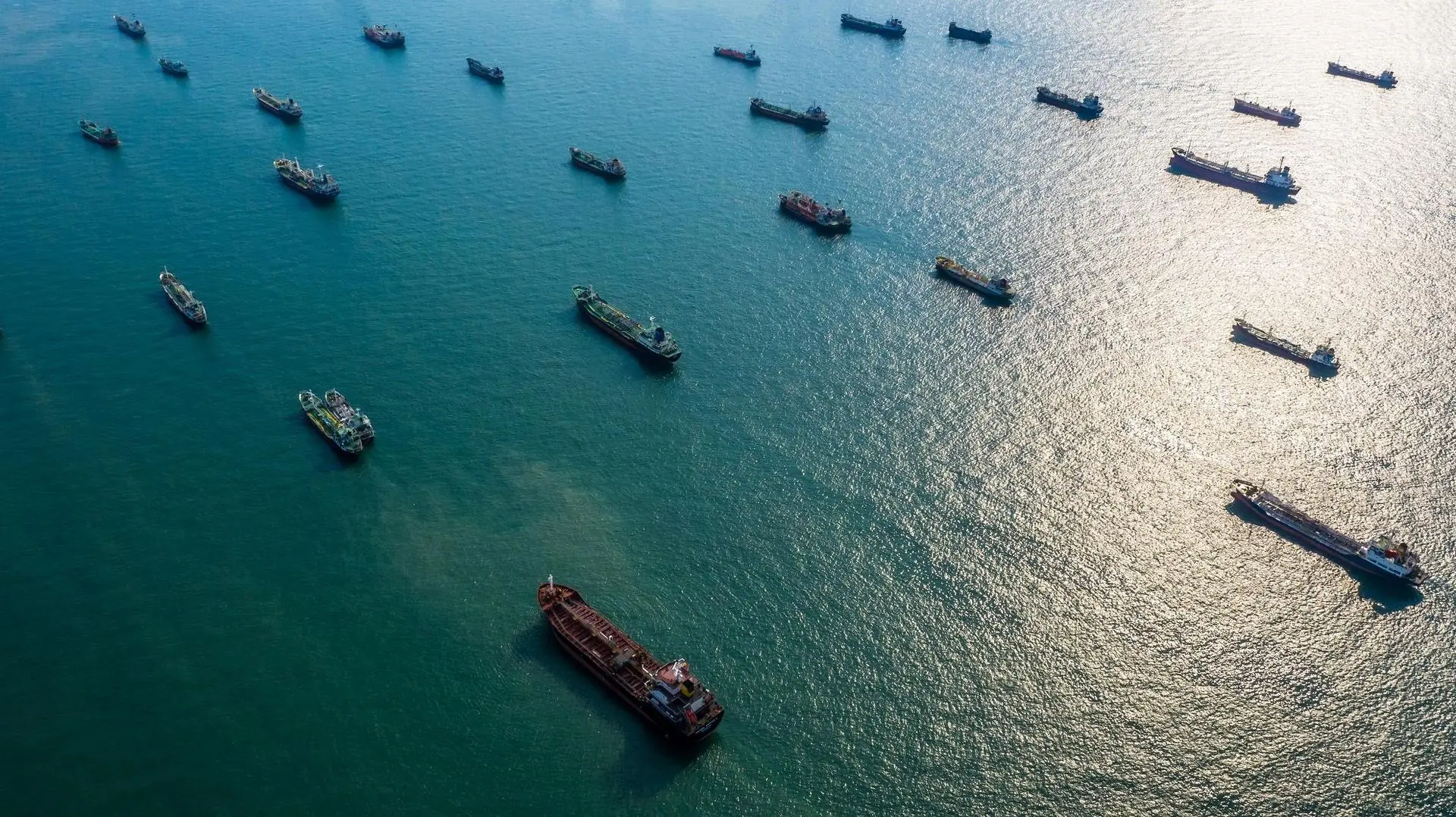
Traceable shipments through the Strait of Hormuz have slowed. Data released on Wednesday showed that, technically, shipping traffic through Hormuz is doomed to slow as most shipowners avoid this crucial waterway due to a lack of clear signals about its reopening after the blockade.
However, Gulf producers are finding alternative export routes.
To avoid the Strait of Hormuz, the Iraqi government has approved mechanisms for exporting Iraqi crude oil through specialized international and local companies and via multiple export channels.
The government stated on Tuesday that contracts under the new mechanism will be valid for three months starting September 1.
Two Chinese shipping giants have stopped sending oil tankers through the Strait of Hormuz and the Bab el-Mandeb Strait due to the conflict in the Middle East and are instead collecting oil cargoes outside the Gulf.
According to data from the American Petroleum Institute (API), US crude oil and distillate fuel inventories fell, while gasoline inventories increased last week.
Official inventory figures from the US Energy Information Administration will be released at 2:30 PM GMT. Analysts estimate that crude oil inventories decreased by approximately 600,000 barrels in the week ending August 14.
Related Articles

Oil prices rise as fading hopes for peace increase supply risks

The conflict with Iran and potential reconciliation stall, supply concerns drive oil prices higher

Oil prices are struggling to find direction as talks stall and shipping traffic in the Strait of Hormuz slows