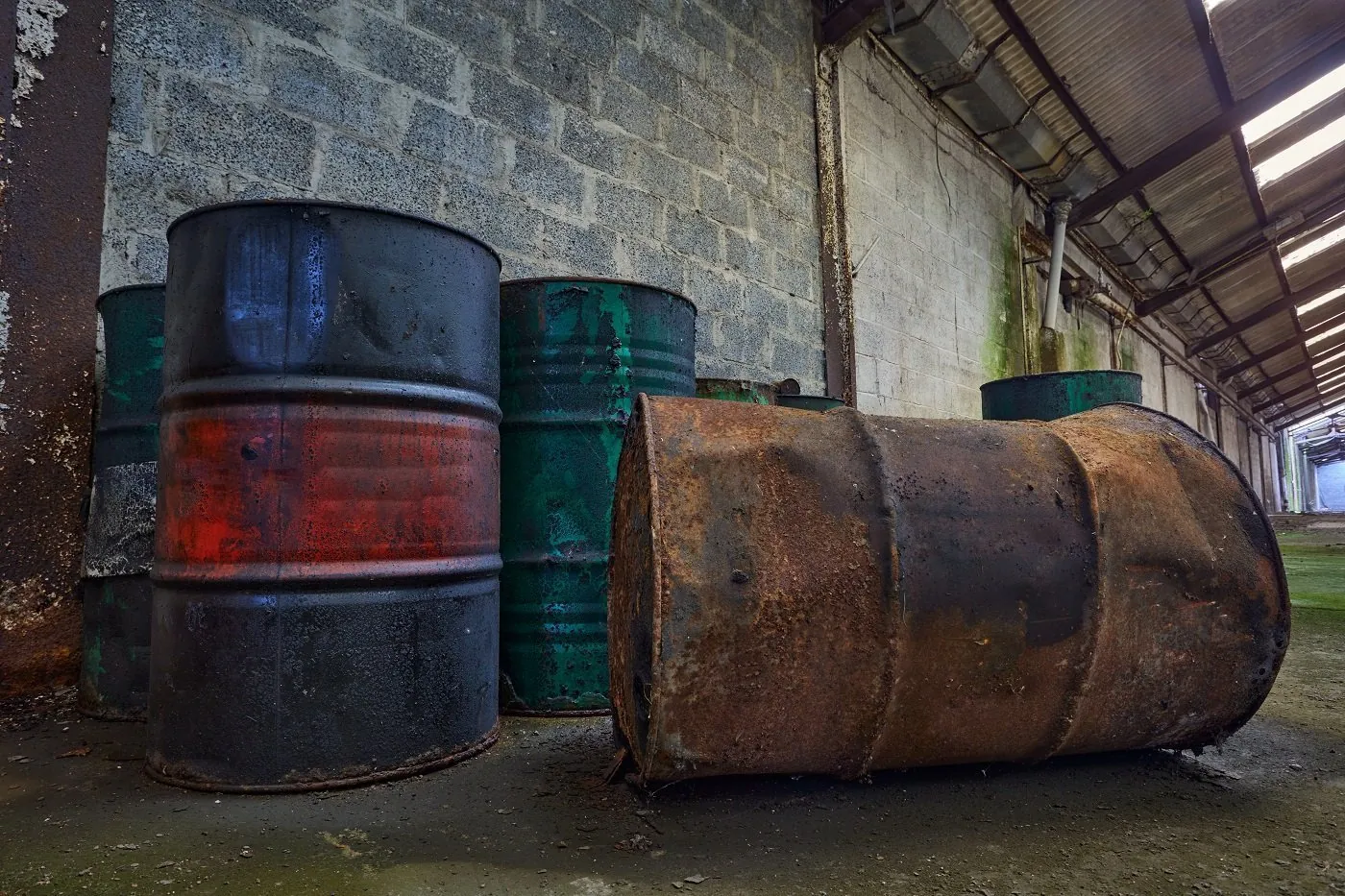
Oil prices fell on Friday but are poised for a second weekly gain
Oil prices edged lower on Friday but are on track for a second weekly rise amid the uncompromising stance of the US-Iran conflict, which has been driving supply from a key production region in the Middle East.
Brent crude futures fell 34 cents, or 0.4%, to $93.44 a barrel as of 06:46 GMT, after rising 2.4% in the previous session. WTI crude futures also fell 44 cents, or 0.5%, to $86.76 a barrel, after rising 2.3% in the previous session.
During the previous five-day rally, Brent crude gained more than 7% and WTI crude more than 8%, reaching their highest levels since July 24.
The previous peace agreement between the US and Iran expired this week, and neither side has attempted to restart talks.
Prices have risen on concerns that the failure of the US-Israeli war against Iran will mean continued supply cuts from major oil producers such as Saudi Arabia, Iraq, the United Arab Emirates, and Kuwait.
US President Donald Trump has threatened economic retaliation against countries supporting Iran.
The parties are maintaining their positions, but their stance does not offer a rational, economic, or logical solution. For now, prices are steadily rising, but it is unclear how long the underlying factors will continue to pressure prices.
Brent oil prices will review their outlook this month, and the risks in that outlook are skewed upwards.
Exports are under significant pressure due to two separate disruptions: Iran's closure of the Strait of Hormuz and the US naval blockade of Iran, as well as the Houthi embargo in the Red Sea.
According to ship tracking data, only seven commodity ships passed through the Strait of Hormuz on Thursday; half the number from the previous day. Before the war, roughly one-fifth of global consumption passed through this waterway.
This week, the UAE suspended all financial and economic transactions with Iran until further notice, highlighting the strained relations between the major Gulf Arab oil producer and Tehran.
Related Articles
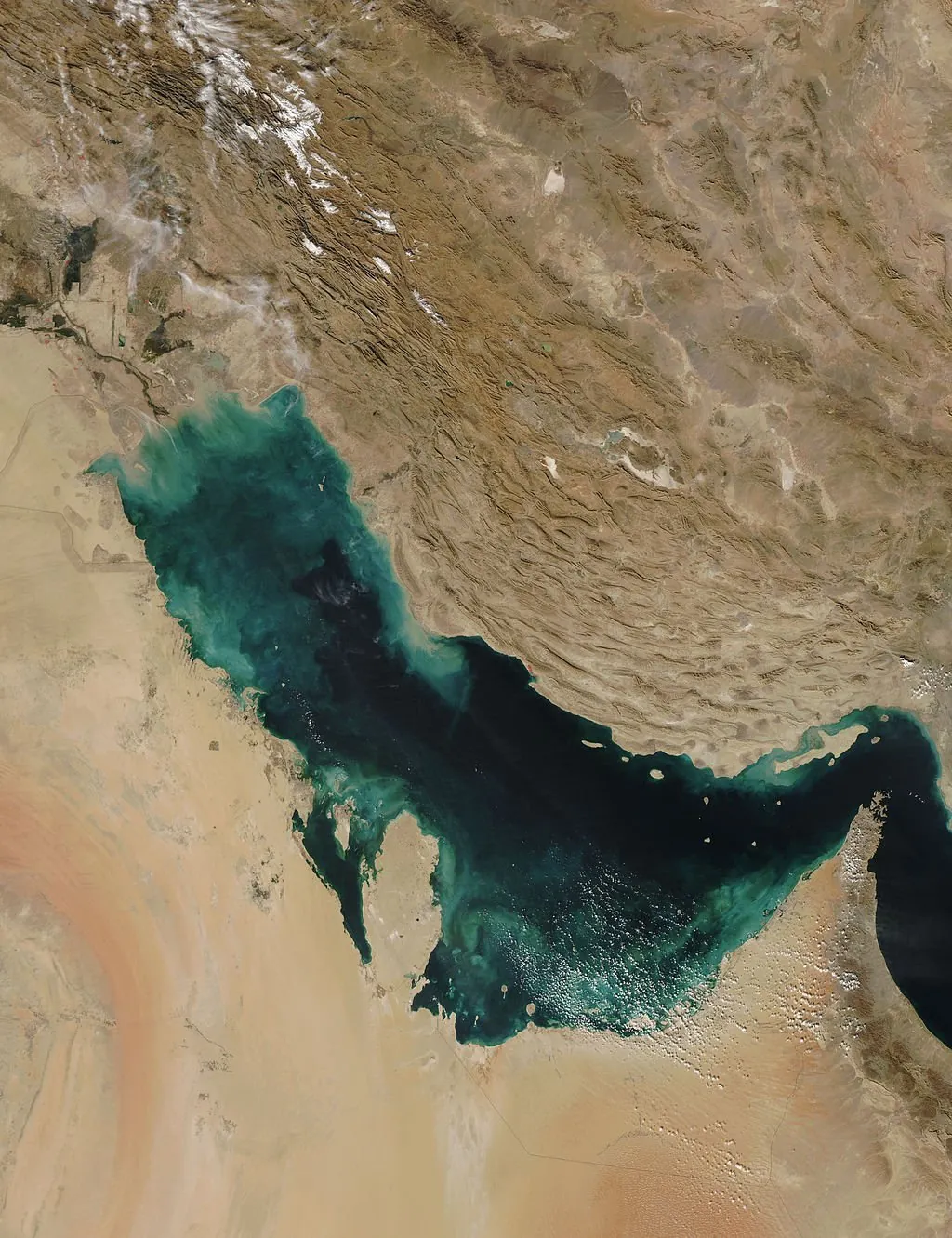
Iran vows 'devastating' response to U.S. threat yet

The conflict with Iran and potential reconciliation stall, supply concerns drive oil prices higher
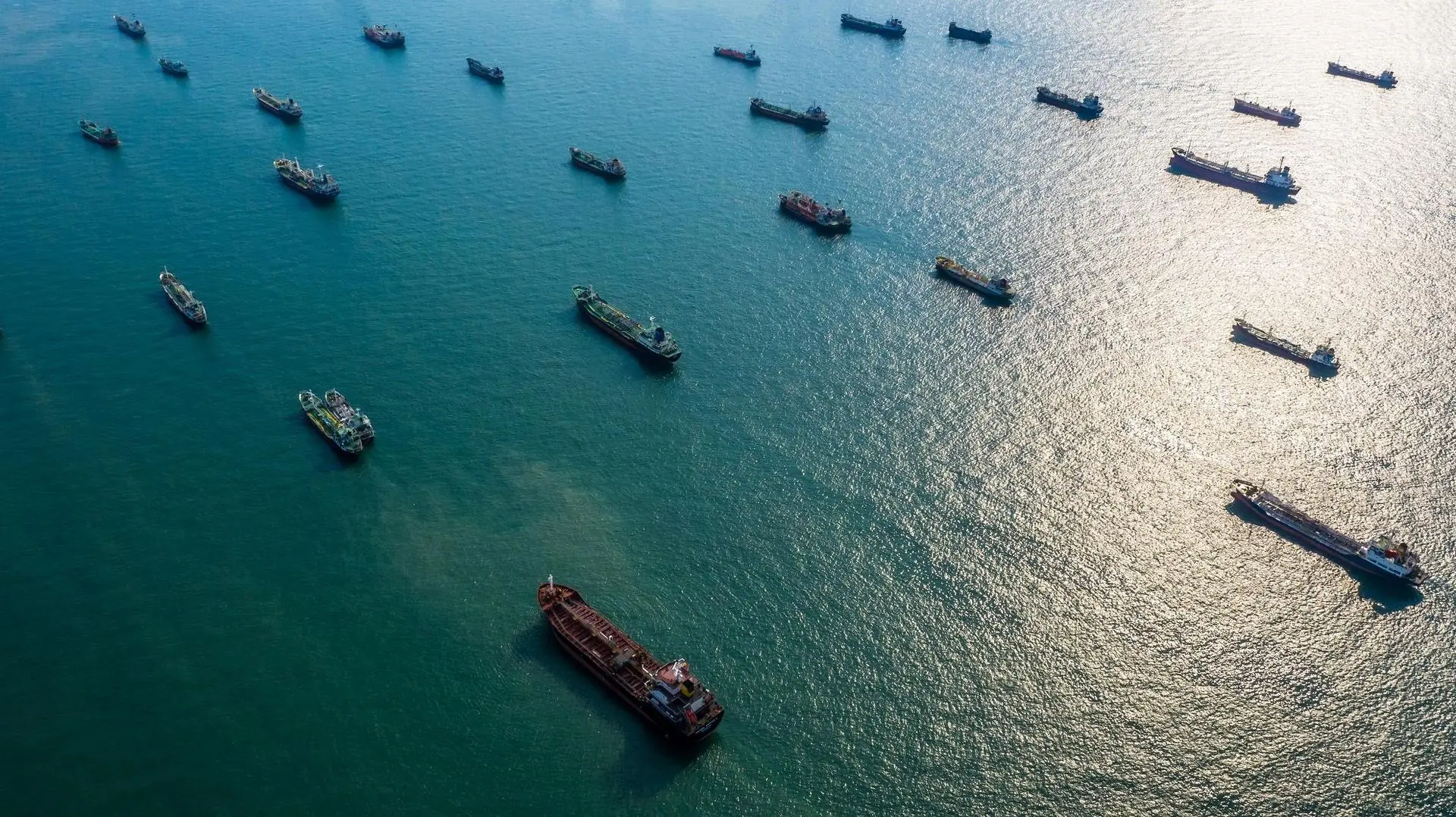
Oil prices continued to rise amid ongoing uncertainty in the Strait of Hormuz