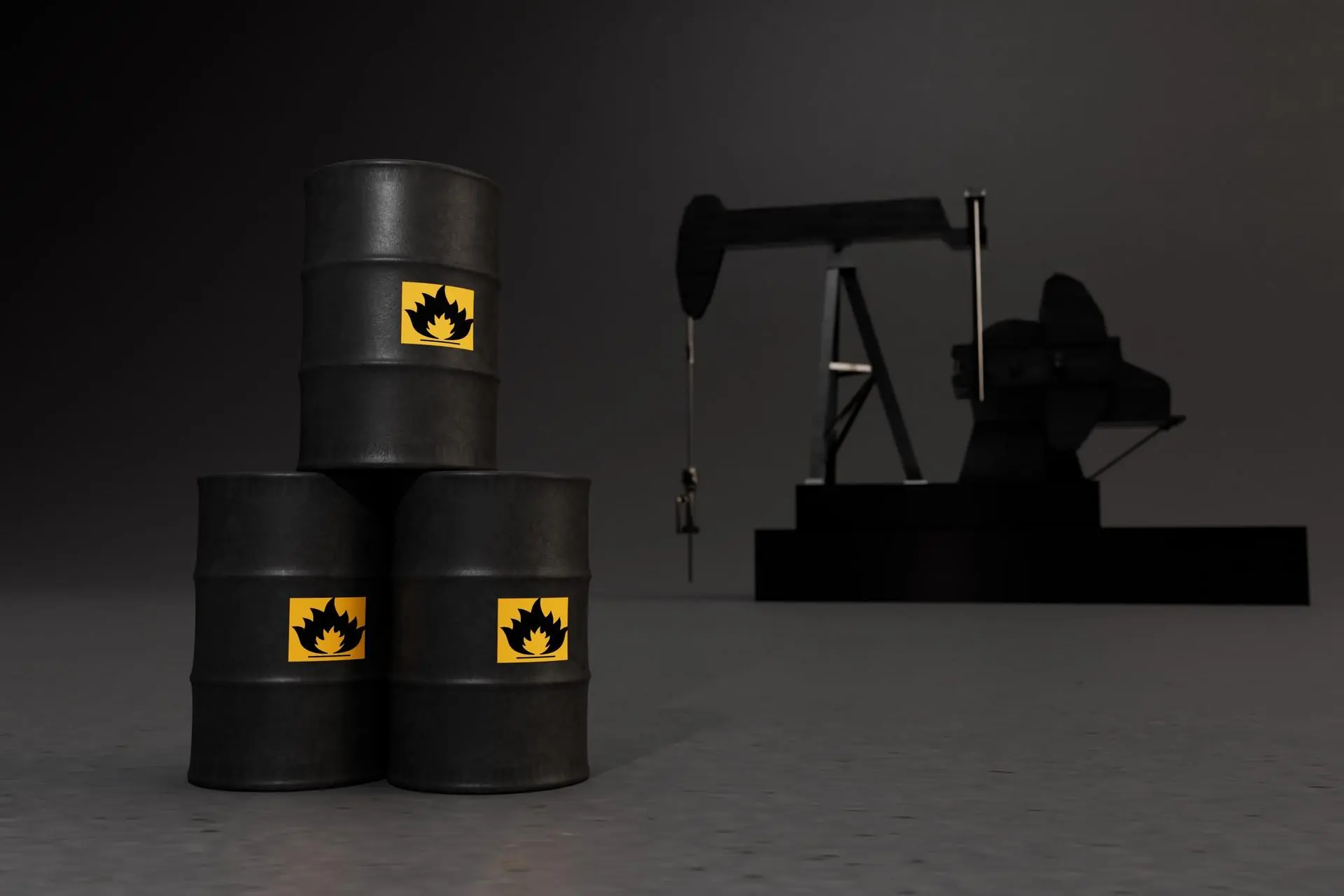
Oil prices edged lower after OPEC+ agreed to increase oil production starting in August
Oil prices edged lower on Monday after OPEC+ agreed to increase oil production by 188,000 barrels per day starting in August. Meanwhile, exports from major producers through the Strait of Hormuz are recovering, potentially increasing global supply.
Brent crude futures fell 34 cents, or 0.47%, to $71.78 a barrel as of 04:08 GMT, after closing 0.45% higher on Friday. WTI traded down 20 cents, or 0.29%, at $68.49 a barrel.
There was no closing price for WTI on Friday. Markets were closed on Saturday ahead of the Independence Day holiday.
Investors watched closely as talks between the U.S. and Iran over rules for ship passage through the Strait of Hormuz unfolded, and as they monitored a rebound in Gulf oil exports, sentiment remained largely unchanged after mostly falling.
After the long weekend in the U.S., investors are waiting to see whether U.S.-Iran relations will be friendly or unstable this week.
The Organization of Petroleum Exporting Countries (OPEC) and its allies, including Russia, agreed Sunday to increase their daily production targets by another 188,000 barrels starting in August, in addition to similar increases for June and July.
However, the increases for June and July were largely on paper, as the U.S.-Israel war with Iran has limited production for major OPEC producers, including Saudi Arabia, Kuwait, and Iraq, by closing the Strait of Hormuz to tanker traffic.
The increase on Sunday was largely in line with expectations. However, it doesn't mean much at the moment, given that the United Arab Emirates left OPEC on May 1st and quotas are still unmet due to continued production growth after the conflict.
Gulf members have begun to revive supplies cut off during the Iran war and increase exports.
According to one study, OPEC oil production rose by 3.3 million barrels per day in June to 19.43 million barrels per day, recovering from its lowest level in over two decades.
Data shows that Gulf oil exports increased by more than 3 million barrels per day in June compared to May, exceeding 10 million barrels per day, but volume remained 40% below pre-war levels.
Furthermore, according to industry sources, oil shipments from Russia's western ports reached a record high in June and are expected to remain at that level in July, as Ukrainian drone strikes damage refineries and force Moscow to increase crude oil exports.
Related Articles
Oil prices rose on recovering supply and expectations of increased demand
Oil prices rose as Washington reimposed sanctions on Tehran

Oil Prices Rise Slightly as Peace Efforts Continue, oil is marking the smallest weekly gains in months