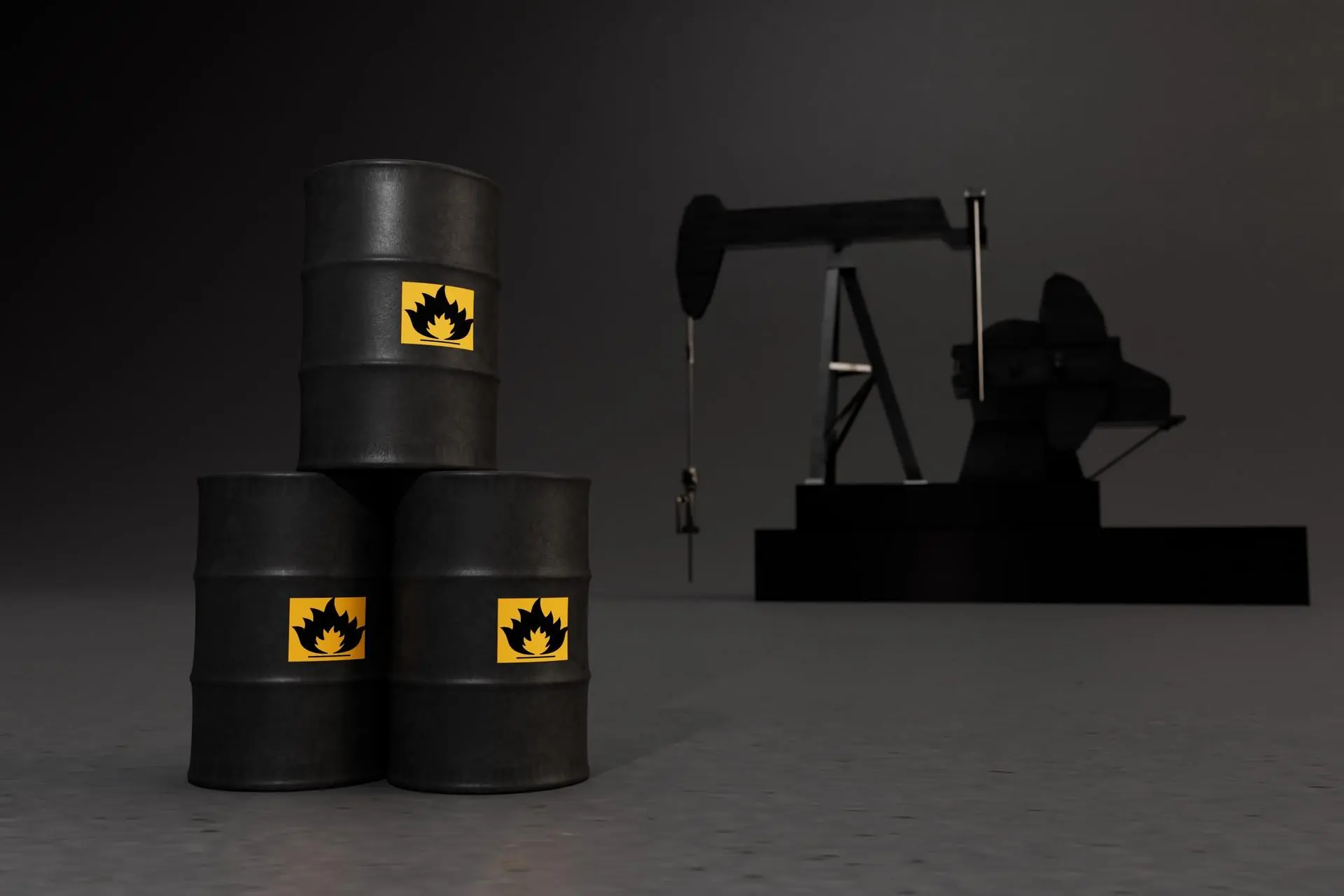
Oil prices rose more than 1% on Thursday following new US strikes on Iran
Oil prices rose after new US strikes on Iran. Prices increased by more than 1%. These attacks have damaged hopes for an end to the war and the full reopening of the Strait of Hormuz. The risk of war will support prices in the short term.
Brent crude futures rose 86 cents, or 1.1%, to $78.88 a barrel as of 03:52 GMT. WTI crude futures rose 85 cents, or 1.2%, to $74.37 a barrel.
Following the resumption of the attacks, both WTI and Brent oil prices rose more than a dollar in after-market trading on Wednesday.
Earlier, prices had closed at their highest levels in more than two weeks after US President Donald Trump threatened new strikes on Iran.
New US attacks on Iran boosted oil prices this morning, with the latest escalation undermining confidence in the fragile ceasefire.
Iran had previously announced on Wednesday that it had attacked US military facilities in Bahrain and Kuwait in retaliation for earlier US attacks on infrastructure.
The Strait of Hormuz, through which a fifth of the global supply of oil and liquefied natural gas passes before the war, is Tehran's main bargaining chip in this conflict.
Oil flow through the strait has temporarily ceased in recent weeks, requiring shipowners to exercise greater caution.
Despite the interim peace agreement between Washington and Tehran, significant geopolitical risks remain. Uncertainty will support prices in the short term.
Repeated hostilities suggest that the war risk premium on oil prices may not completely disappear for several months, potentially leading to sustained volatility despite a generally downward price trend in the medium term.
Related Articles
Oil prices rose as Washington reimposed sanctions on Tehran
Oil prices rose and are on track for weekly gains as supply risks in the Middle East persist
Oil prices rose on recovering supply and expectations of increased demand