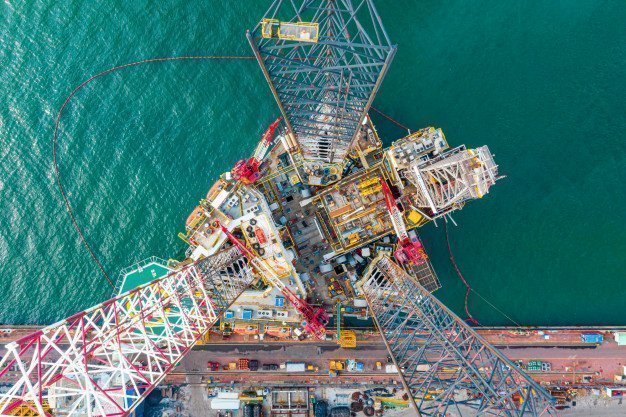
Oil prices rise after spill at Iraq's Basra terminal, but recorded weekly decline
Oil prices rose slightly on Friday as a spill at Iraq's Basra terminal was thought to constrain crude supply.
But oil continued its decline this week amid fears that higher interest rate hikes will curb global economic growth and fuel demand.
Brent crude futures were up 51 cents to $91.35 a barrel, while West Texas Intermediate (WTI) crude futures were up 1 cent to $85.11.
Both indicators fell about 2% for the week and were hurt in part by the strong US dollar's strength, which has made oil more expensive for buyers of other currencies. The dollar index was mostly flat during the day but rose in its fourth week in five weeks.
In the third quarter so far, both Brent and WTI are down about 20% for the biggest quarterly percentage declines since the start of the COVID-19 pandemic in 2020.
Basra Oil Company said it has gradually restarted oil exports from Iraq's Basra oil terminal, which was halted last night due to the spill being brought under control. However, this certainly created a fear in the market, because it is undeniable that this leaked product could not be supplied and left the market. Because, the necessary repair and maintenance break disrupts the production and supply processes even it is a shortwhile.
Investors are preparing for a massive hike in US interest rates that could lead to a recession and reduce fuel demand. The Federal Reserve is expected to raise the benchmark overnight rate by 75 basis points at a policy meeting September 20-21.
As underscored by the recent renewed slump in equities, the increased probability of global recession could continue to limit oil prices to the upside in the next month and possibly beyond.
The market was also shaken by the International Energy Agency's (IEA) expectation of almost zero growth in oil demand in the fourth quarter due to the weaker demand outlook in China.
Both the IMF and the World Bank have warned that the global economy could fall into recession next year. That's bad news for the demand side of oil, and this warning comes a day after the IEA's oil demand forecast.
Recession fears combined with strong expectations for higher US interest rates.
Some analysts say that the market was negatively impacted by comments from the US Department of Energy that it is unlikely to attempt to refill the Strategic Petroleum Reserve until after fiscal year 2023.
On the supply side, the market found some support for waning expectations for the return of Iranian crude oil. Western officials do not take seriously their hopes of reviving the nuclear deal with Tehran.
Meanwhile, oil prices may be supported in the fourth quarter if the OPEC+ members to be discussed at the October meeting cut production. But Europe is facing an energy crisis, driven by uncertainty over oil and gas supplies from Russia.
US drillers add drilling rig for the first time in 3 weeks. The U.S. crude supply is headed for an increase as energy firms add oil and gas rigs for the first time in three weeks this week as relatively high crude oil prices encourage some firms to drill more, particularly in the Permian Basin, according to energy services firm Baker Hughes.
Related Articles
Oil prices edged higher on Friday, however on track for weekly losses amid recession fears

Oil prices rise on weak dollar and supply concern

Oil tumbles on low demand and strong dollar concerns