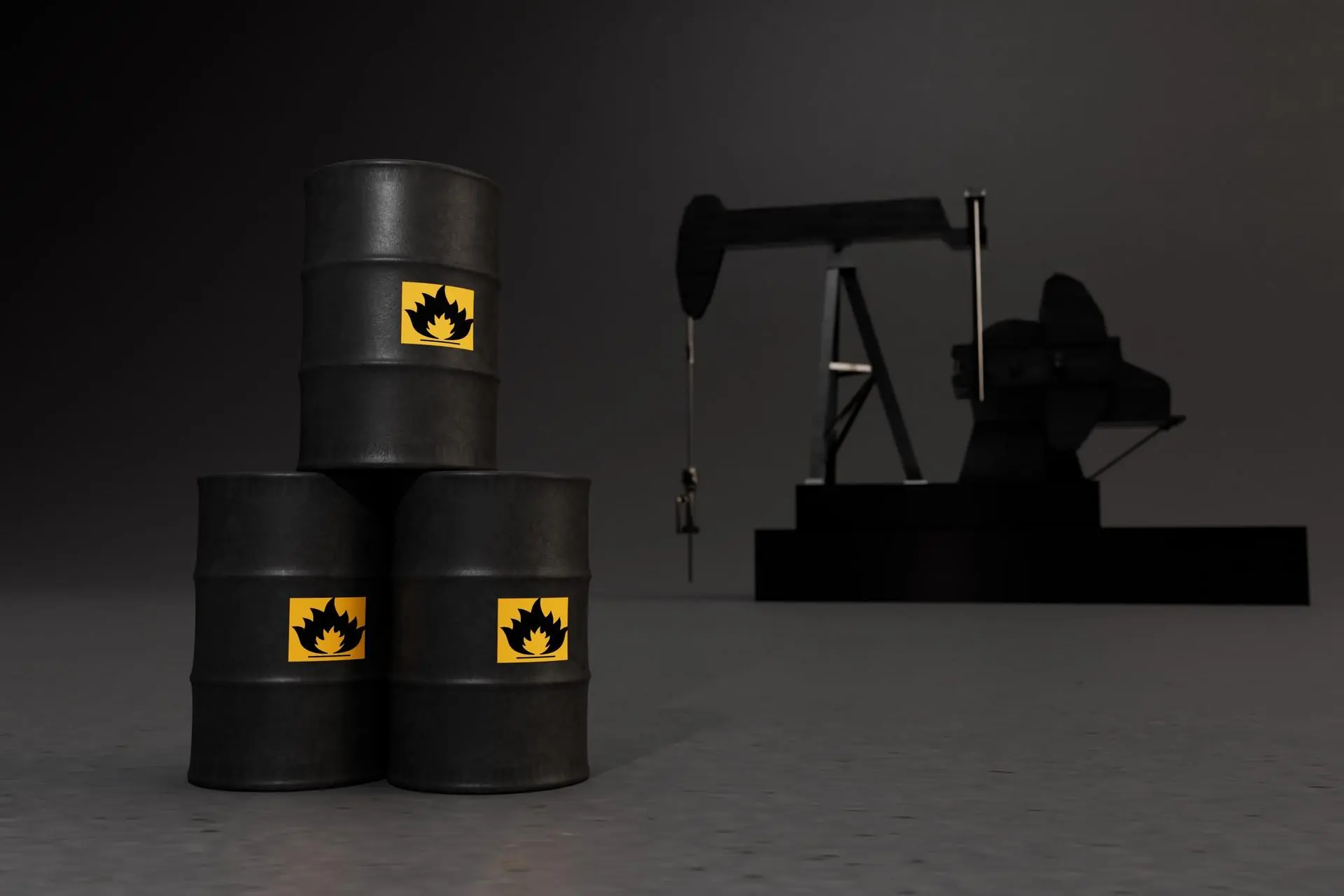
Oil prices rose following the weekend hostilities between Iran and the US
Iran and the US agreed to resume talks after the weekend attacks. Oil prices rose on Monday following the reciprocal attacks between the US and Iran. These attacks underscored the fragility of the interim peace agreement and slowed energy shipments through the Strait of Hormuz again.
Brent crude futures rose 45 cents, or 0.6%, to $72.44 a barrel at 06:27 GMT, while WTI crude rose 82 cents, or 1.2%, to $70.05 a barrel.
It is true that the oil market still faces many risks. Nevertheless, investors are not pessimistic about the continuation of the recovery in oil flow and are focused on the nerve centers of the balance.
A significant upside risk exists if the supply recovery is slow.
Brent crude, which reached its highest level since the start of the US-Israel war against Iran, fell 10.6% last week, marking its third weekly decline.
However, traffic slowed from Thursday onwards following renewed attacks on ships in the Strait. These attacks included one on a Qatar-linked oil tanker, triggering the worst escalation since the US and Iran signed a provisional peace agreement.
According to a US official on Sunday, Iran and the US agreed to halt recent hostilities in the Gulf and restart talks on their dispute over the Strait of Hormuz, limiting the rise in oil prices.
The market is likely to reassess its assumption that oil supply from the Persian Gulf will recover quickly.
With Saudi oil giant Aramco and other oil producers increasing production and exports ahead of a provisional agreement, crude oil shipments, halted for nearly four months, resumed on Friday at the Ras Tanura terminal west of the Strait of Hormuz.
Physical flows are constrained by tanker backlogs, damaged infrastructure, and production shutdowns. We will all have to wait and see if supply reaches pre-conflict levels. Some facts contradict predictions. Other regions supporting the oil market can close the gap very quickly.
Related Articles
Brent oil prices are poised for a third consecutive month of decline, while WTI is set for a second
Oil prices fall as tanker activity in the Strait of Hormuz reaches highest level since the start of the war

Oil prices continue to fall as shipments through the Strait reach their highest levels since the start of the war