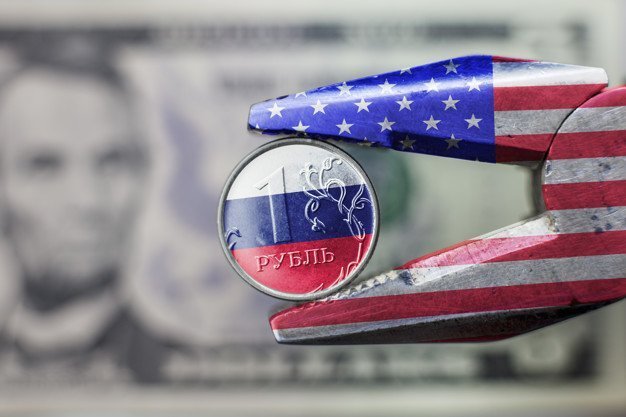
Oil slumps as Russia promise to honor its contractual obligations
Oil prices fell nearly 2% on Thursday after a volatile session later on the biggest daily drop in two years, with 13% on Wednesday, as Russia promised to honor its contractual obligations and some traders said concerns about supply disruption were exaggerated.
Since Russia's invasion of Ukraine on February 24, oil markets have experienced the most active days of the last two years. Brent crude, which hit a 14-year high of just over $139 a barrel two days ago, posted its biggest daily drop since April 2020 on Wednesday.
Brent futures fell $1.81, or 1.6%, to $109.33 a barrel after rising as much as 6.5% at the start of the session. West Texas Intermediate (WTI) crude fell $2.68, or 2.5%, to settle at $106.02 a barrel, giving up more than 5.7% of its intraday gains.
The country, a major energy producer that supplies one-third of Europe's gas and 7% of global oil, will continue to meet its contractual obligations on energy supply, Russian President Vladimir Putin said at a meeting.
The withdrawal of some of the war anxiety from the market and the abundant Russian supply relieved the markets. The post-reconciliation market increased its losses and at 2155 GMT, Brent fell to $109.09 and WTI to $105.79.
However, the oil of the world's second-largest crude oil exporter is protested by some of the buyers due to its invasion of Ukraine, and it is unclear where the replacement supply will come from.
Conflicting comments from major oil producer OPEC members do not provide the market with any assurance that will pressure down fuel prices. In this case, total protest against Russian oil is not possible.
UAE officials give different opinions on the output plans.
Brent on Wednesday fell 13% after the number 3 OPEC producer's ambassador to Washington said that UAE would encourage the Organization of the Petroleum Exporting Countries to consider higher production.
UAE Energy Minister Suhail al-Mazrouei retracted the ambassador's statement, explaining that the OPEC member adheres to existing agreements with the group to increase production by just 400,000 barrels per day (bpd) each month.
While the UAE and Saudi Arabia have spare capacity, some other producers in the OPEC+ alliance have struggled to meet their production targets due to insufficient infrastructure investments in recent years.
The United States has made moves to ease sanctions on Venezuelan oil and efforts to sign a nuclear deal with Tehran that could lead to increased oil supplies.
The market also expects more oil stock releases, coordinated by the International Energy Agency with the help of increased US output.
With all these efforts, the supply shock can be greatly mitigated, but it is unlikely to be neutralized.
According to some traders, the oil rally is not over yet and the increase since the invasion of Ukraine is over 15%, the latest decline partly due to profit-driven sales.
Speculative moves are likely to continue and traders sell as soon as they see an advantage. Prices do not appear to be at their peak yet. When the top is thought that reached, the market is finding new energy to go higher.
Related Articles
The market is within plans to close the Russian oil supply gap caused by the sanctions

Rising crude oil prices record their biggest weekly drop since November
US bans oil imports from Russia, UK phases out