
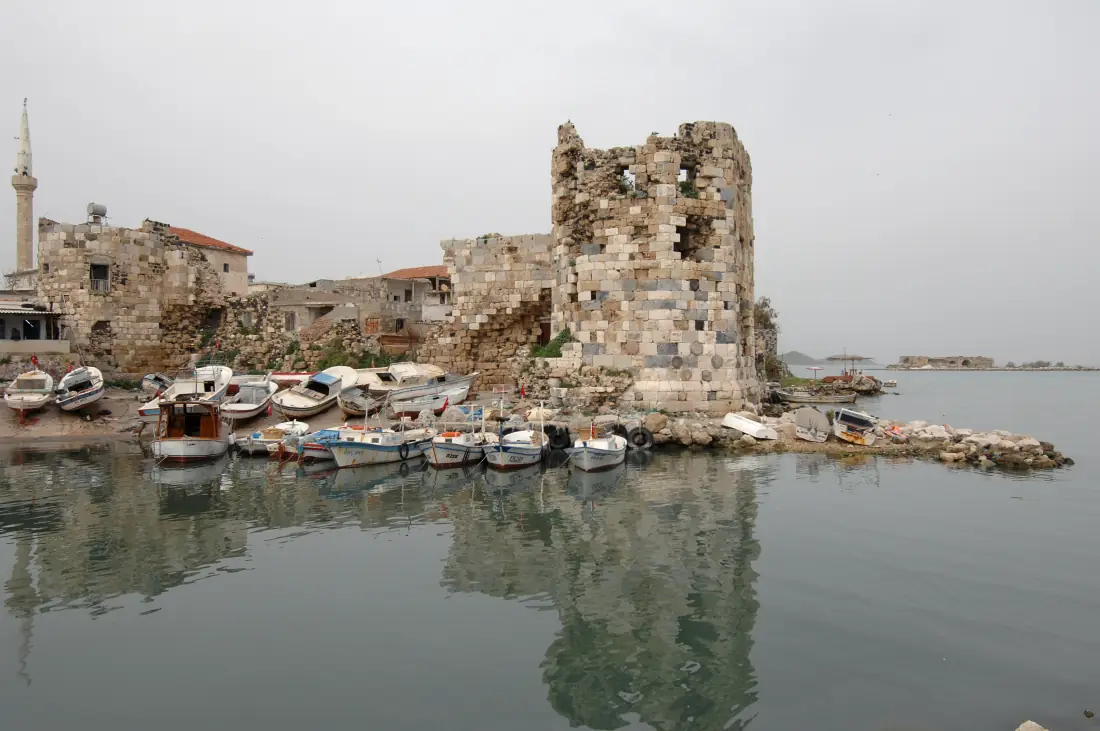
Türkiye, 36°36′N 36°11′E
Bunker Supplier in Iskenderun and Ceyhan
Bunkering at Iskenderun and Ceyhan depends on terminal rules: ship-to-ship supply is not allowed during cargo work at a crude terminal, and road tankers may be an option for small quantities.
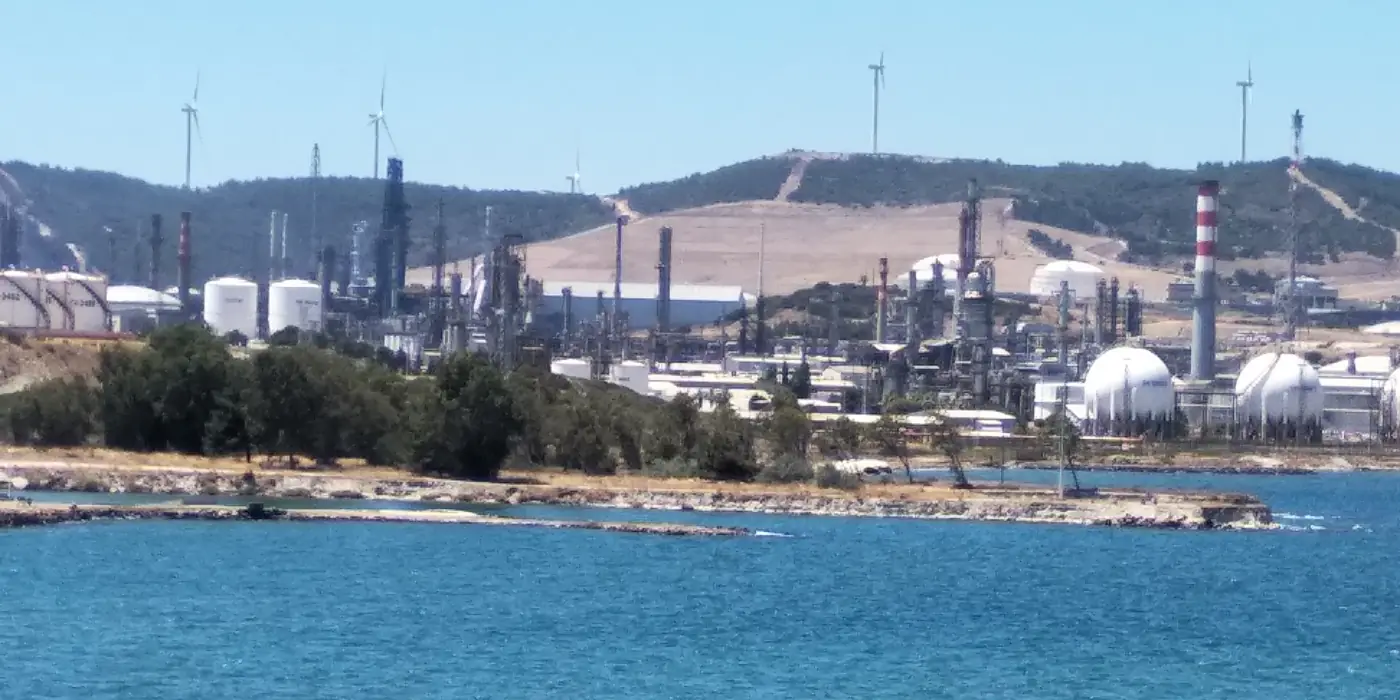
Photo: Dosseman, CC BY-SA 4.0, Wikimedia Commons
- Sulphur
- 0.10%, under way and in port
- Volume
- 2025: Iskenderun 70.9, Ceyhan 51.4 million tonnes
- Authority
- Iskenderun and Ceyhan harbour masters
- Products
- Fuel oil, MGO, marine lubricants
Bunkering in Iskenderun and Ceyhan
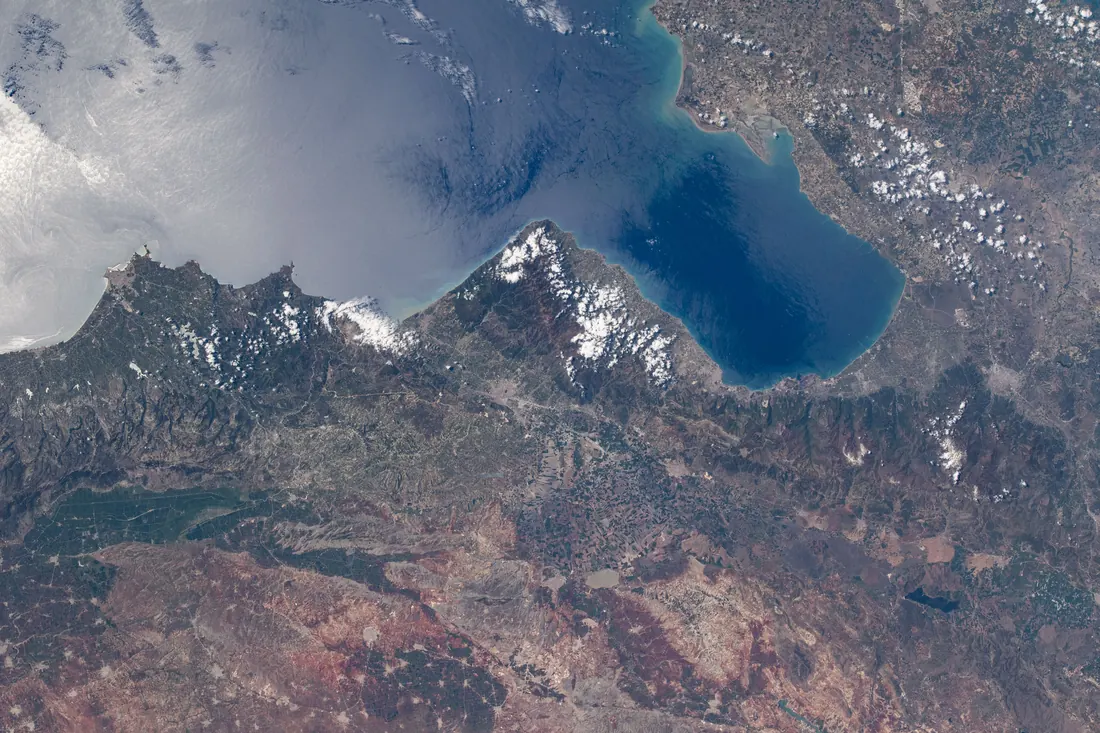
Iskenderun Bay is the north-eastern corner of Türkiye's Mediterranean coast. The Ceyhan terminals are where crude from the Baku-Tbilisi-Ceyhan and Kirkuk-Ceyhan pipelines is loaded onto tankers. The old Kirkuk arrangement expired on 27 July 2026, and BOTAŞ and the Iraqi state companies signed a new one-year agreement on 1 August 2026.
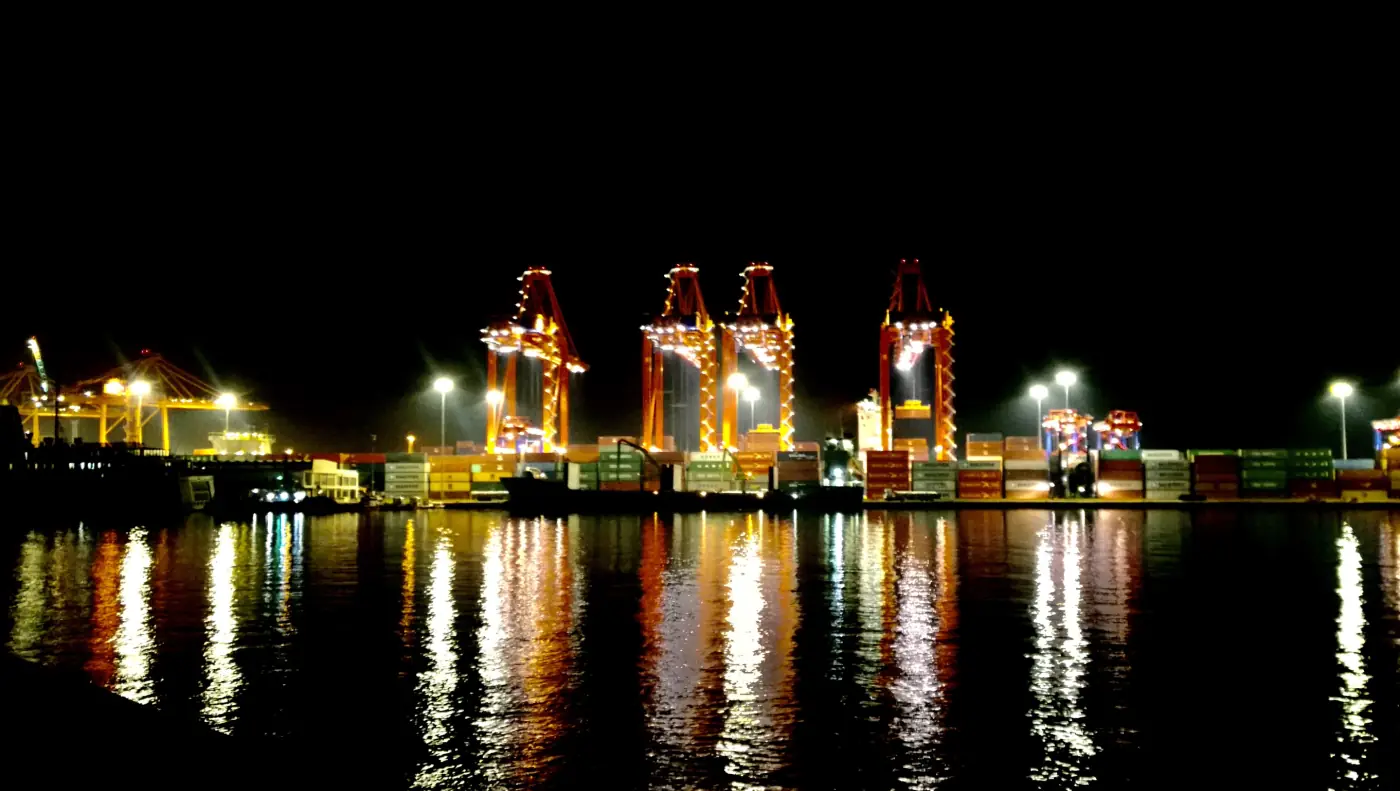
According to TÜRKLİM, the Iskenderun port authority area handled 70.9 million tonnes in 2025 and the Ceyhan area 51.4 million. Iskenderun port and the steel plant jetties serve dry bulk, and terminals at Dörtyol handle oil products. Bad weather disrupted deliveries in this bay too in November 2023.
Bunkering Process in Iskenderun and Ceyhan
Location
Ceyhan terminals, Iskenderun port, the steel jetties or Dörtyol. State which one, along with the loading plan and ETA.
Terminal Permission
The Ports Regulation bans ship-to-ship bunkering during cargo operations at oil-handling facilities. Before or after loading, facility and harbour master permission is needed.
Road Tankers
For small quantities at berth a road tanker may be an option. The Iskenderun Harbour Master publishes a separate checklist for truck-to-ship fuel transfers.
Documents
The same rule covers road tanker deliveries: the BDN for three years and the MARPOL sample for at least 12 months.
Bunkering Requirements in Iskenderun and Ceyhan
Rules change. Confirm current practice with the port agent.
Sulphur Limit
The bay is inside the Mediterranean ECA, with a 0.10% limit since 1 May 2025.
Truck Transfers
The Iskenderun Harbour Master has a form titled "truck-to-ship fuel transfer checklist". Ask your agent for the current version.
Rules Across Türkiye
Fuel delivery to ships is called ihrakiye in Turkish law, and Trade Ministry circular 2024/3 requires the supplier to hold the relevant EPDK licence. Article 34 of the Ports Regulation limits bunkering to quays, jetties and anchorages the harbour master approves, and requires the supplying vessel to carry pollution liability insurance. Customs may compare fuel on board with the arrival declaration; a local agent's alert says any excess can be treated as smuggling and taken ashore. On scrubbers, a 2020 letter from the Maritime Directorate says there is no general ban on washwater discharge but sludge may not go into the sea. The American Club's summary of the 2026 fine tariff lists "foam scrubber system wash water" among fined wastes, so ask your agent before discharging.
Products and Quotes for Iskenderun and Ceyhan
We quote for fuel oil (including VLSFO), gas oil (MGO) and marine lubricants. For details see Fuel Oil and Gas Oil and Marine Oils.
Iskenderun and Ceyhan Bunker Supply: Common Questions
Can a tanker loading at Ceyhan take bunkers?
Not ship-to-ship during loading. Before or after loading it can, with the facility's agreement and harbour master permission, and taking fuel at anchor is another option.
Is Iskenderun Bay inside the ECA?
Yes. The bay is within the Mediterranean ECA, so the limit is 0.10%.
Are the Ceyhan terminals working?
A one-year agreement for the Kirkuk-Ceyhan line was signed on 1 August 2026. Your agent gives the terminal schedule.
Sources (11)
- TÜRKLİM: sektör istatistikleri (2025)
- IMO, MEPC.361(79): Mediterranean Sea SOx ECA
- Bazı Akaryakıt Türlerindeki Kükürt Oranının Azaltılmasına İlişkin Yönetmelik
- ENGINE: Rough weather complicates bunker deliveries in Turkish ports (2023)
- İskenderun Liman Başkanlığı: kara tankerinden gemiye yakıt transferi kontrol listesi
- Al Jazeera: Türkiye ve Irak boru hattı anlaşması (Ağustos 2026)
- Limanlar Yönetmeliği
- Ticaret Bakanlığı, 2024/3 sayılı İhrakiye Teslimleri genelgesi
- Deniz Ticaret Odası: karasularında scrubber ve yakıt kullanımı sirküleri (2020)
- American Club: Environmental Pollution Fines in Turkey (Aralık 2025)
- Kalimbassieris Maritime: Türk limanlarında fazla bunker uyarısı
This page is general information, not legal advice. Last checked: 4 November 2026.