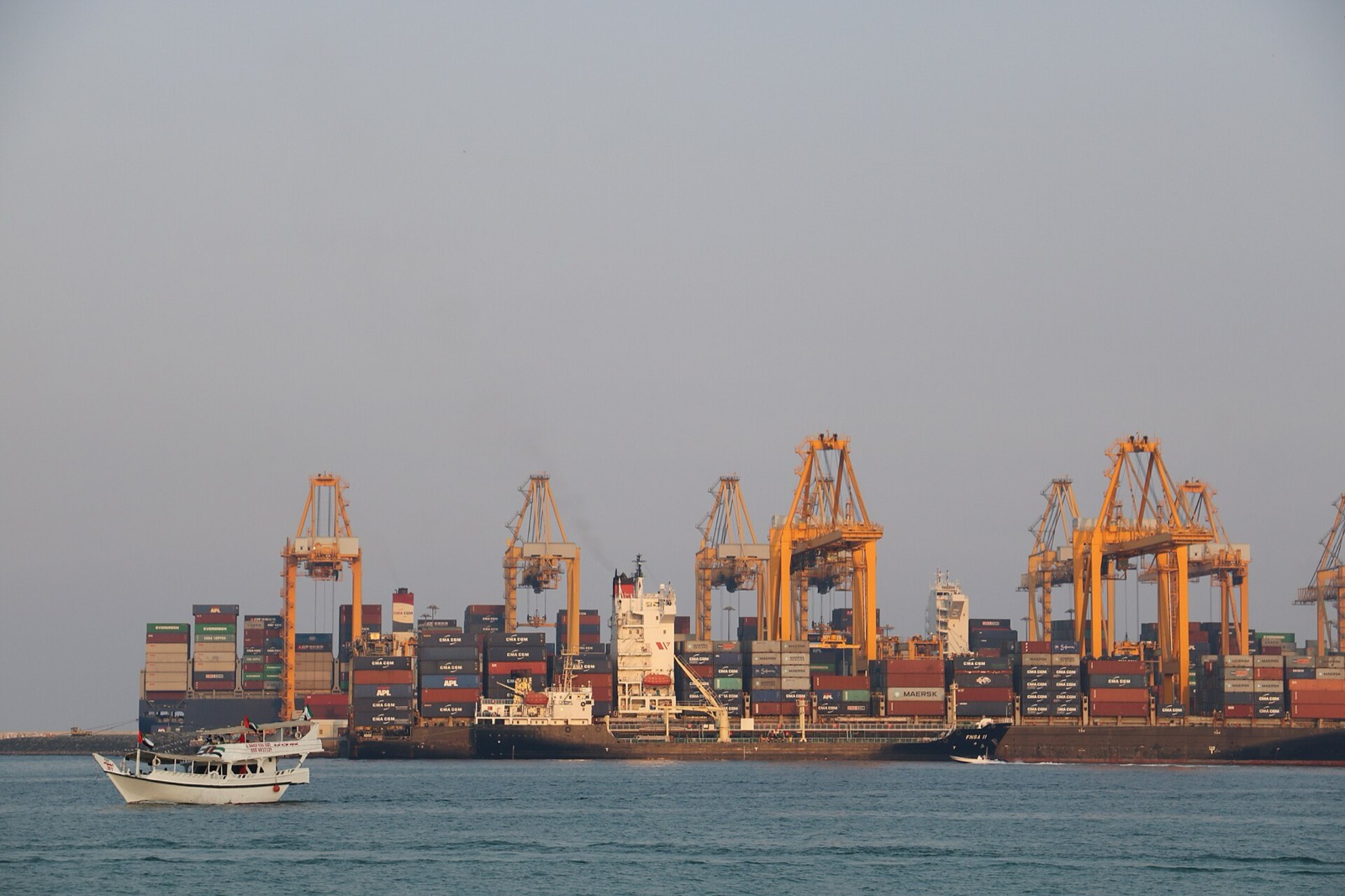
War concerns and short-covering ahead of the Thanksgiving holiday drive up oil prices
Late Friday, oil prices rose amid expectations that the conflict involving the U.S., Israel, and Iran could reignite. Additionally, investors moving to purchase crude oil ahead of the Thanksgiving holiday—which falls on Thursday, November 26—provided further support for prices.
Brent crude futures closed up 59 cents (0.64%) at $92.57 per barrel. Meanwhile, the December contract for U.S. West Texas Intermediate (WTI) crude rose 77 cents (0.93%) to reach $83.98 per barrel.
Despite the decline, Brent crude fell by approximately 4% and WTI by 5% on a weekly basis, as expectations of a supply surplus strengthened following the return of crude oil shipments through the Strait of Hormuz to pre-conflict levels. Consequently, both benchmarks have now posted losses for the third consecutive week.
While the U.S. military remains in a state of combat readiness, negotiations between the parties are ongoing, leaving open the possibility that an agreement could yet be reached.
It would be unrealistic to expect the issue to be resolved in the short term. Should a conflict flare up, geopolitical risks are likely to push prices higher once again.
In a statement released on Friday, the Houthis warned that if the Saudi-led coalition attacks the Yemeni port of Hodeidah, they will target Saudi Arabia’s port facilities in Jeddah and along the Red Sea. Iran's attacks on tankers passing through the Strait of Hormuz have intensified, reaching a frequency of nearly one incident per day in November. These ongoing actions are keeping the geopolitical risk premium elevated.
OPEC+ ministers are set to hold a series of meetings on November 29 to determine production policies for 2027.
The International Energy Agency (IEA) stated on Thursday that the conflict in the Middle East has caused the most significant disruption to global oil and natural gas trade to date. According to the IEA, if governments respond by accelerating measures such as electrification, energy efficiency, and fuel switching, global oil demand could fall by more than 4% by 2035.
Meanwhile, declines in Asian stock markets—which are heading toward their worst weekly performance since 2020—along with broader weakness in equity markets, are expected to exert downward pressure on oil prices.
Analysts and industry representatives note that crude oil production could decline once again as Ukrainian attacks on Russian refineries and export infrastructure intensify. Ukrainian drone strikes have reduced the total volume of crude oil processed by Russian refineries by 45% since the end of October.
Related Articles
Oil prices rose following reports of attacks by the Houthis and disruptions involving tankers in the Strait of Hormuz

Oil prices remain steady as expectations of a supply surplus are offset by other factors
Oil prices fell on Wednesday following data showing an increase in U.S. crude oil and petroleum product inventories