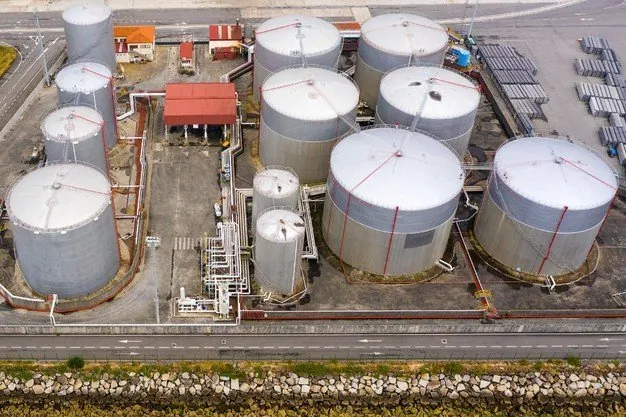
Oil prices remain in a narrow range as attacks in the Middle East support the risk premium
Despite diplomatic efforts to end the war, oil prices were little changed in Asian markets on Monday as the risk premium created by ongoing attacks on shipping and refineries in the Middle East was reflected in prices.
Brent crude futures rose 10 cents (0.11 percent) to $92.67 a barrel as of GMT 04:23. US West Texas Intermediate (WTI) crude oil futures gained 16 cents (0.19 percent) and reached $83.57 per barrel. While Brent oil decreased by 1 dollar to 91.57 dollars in the early hours of the day, US WTI oil hit the lowest level of the day at 82.63 dollars.
Brent oil lost 4 percent of its value last week, and WTI lost 5 percent of its value.
However, the unresolved conflict between the USA and Israel with Iran continues to support oil prices. On Sunday, the Houthis claimed to have attacked a Saudi Arabian oil refinery, while UK Maritime Trade Operations (UKMTO) reported multiple attacks on shipping in the Gulf and near the Strait of Hormuz over the weekend.
The stalemate between the US and Iran looks set to continue until the end of the year. However, Trump could suddenly change his tune on the possibility of military action.
The rise and fall of threats and harsher rhetoric from Washington and Tehran will continue to affect the geopolitical risk premium in crude oil. Unless one side takes more concrete steps towards escalation, prices are likely to remain in a limited range overall.
At the global climate conference COP31 held in Türkiye, talks on Sunday failed for the first time since 2009 after countries failed to reach an agreement on including a statement on phasing out fossil fuels in the final text.
According to observers at the conference, Saudi Arabia and other major oil-producing countries worked hard to avoid any mention of fossil fuels in the text, arguing that fossil fuels will continue to play a role in the economy for the foreseeable future.
OPEC had previously defended the use of fossil fuels during the conference.
OPEC+ ministers will hold a series of meetings on November 29 to determine production policies for 2027. The group in question consists of the Organization of Petroleum Exporting Countries (OPEC) and allied countries such as Russia.
Related Articles
War concerns and short-covering ahead of the Thanksgiving holiday drive up oil prices
Oil prices rose following reports of attacks by the Houthis and disruptions involving tankers in the Strait of Hormuz

Oil prices remain steady as expectations of a supply surplus are offset by other factors