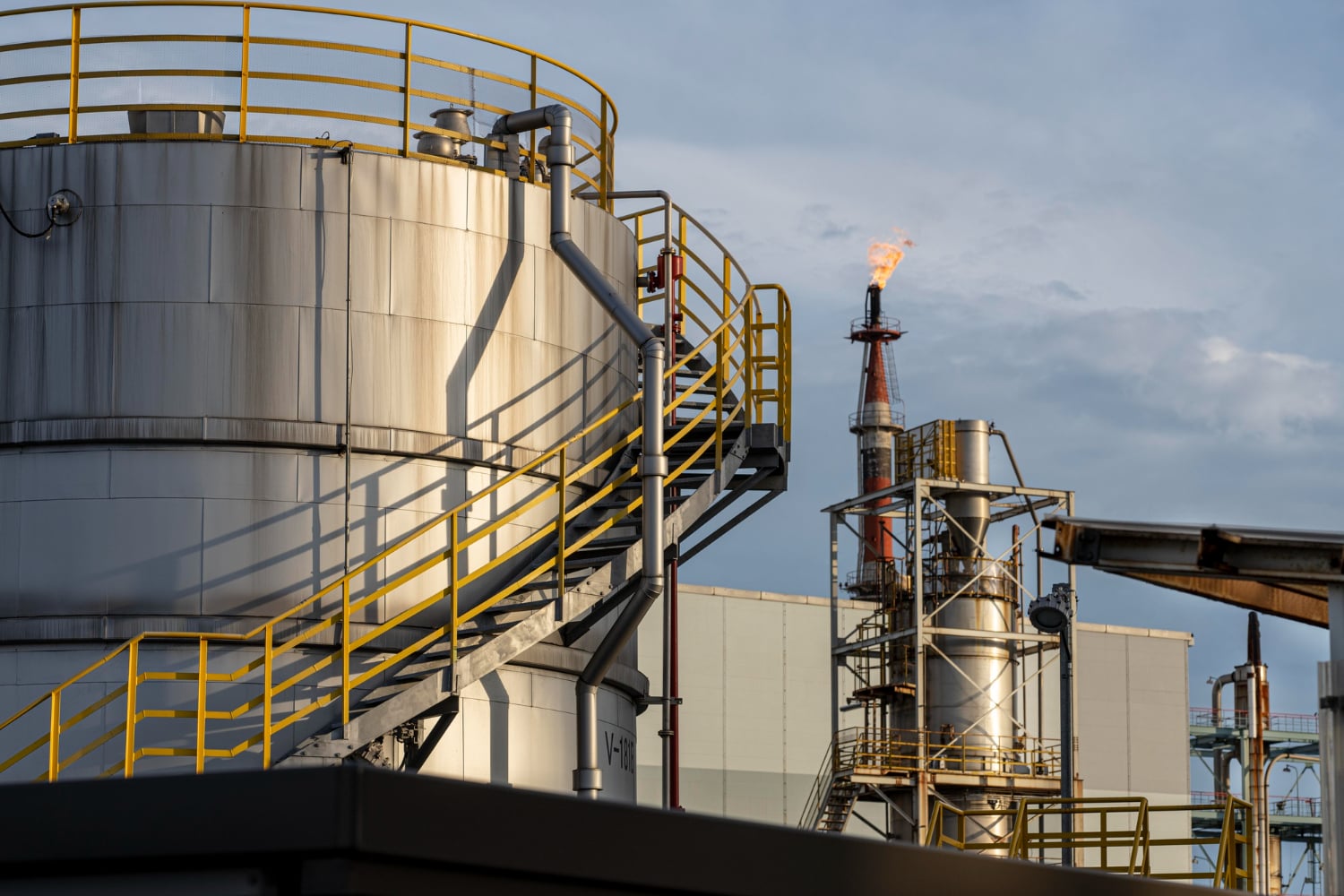
Oil prices rose as attacks, and the threat of further attacks, on Saudi energy infrastructure heightened supply concerns
Saudi Arabia's East-West pipeline remains out of commission. Oil prices climbed nearly 2% on Tuesday amid persistent fears of supply disruptions, as the attack on Saudi energy infrastructure overshadowed efforts to mitigate shipping risks in the Gulf.
Brent crude futures rose $1.87, or 1.77%, to $107.55 per barrel at 09:33 TRT (06:33 GMT), while WTI crude futures increased by $1.88, or 1.85%, to $103.27 per barrel. Both benchmarks had gained more than 1% in the previous session.
Gulf Arab states postponed planned talks with Iran after Yemen's Iran-aligned Houthi rebels launched fresh attacks on Saudi Arabia on Monday; this development fueled concerns that the Middle East conflict could escalate and further disrupt global oil supplies.
In retaliation for Saudi Arabia's offensive in Yemen, the Houthis launched missile and drone strikes on the Khamis Mushait military airbase in the country's south, hitting aircraft hangars, radar systems, runways, and ammunition depots.
This incident followed attacks on Saudi Arabia last Friday, for which Riyadh blamed Iran-backed fighters in Iraq.
Uncertainty persists regarding the extent of the damage to Saudi Arabia's East-West pipeline and the duration of the disruption. Prices are likely to continue finding strong support until the situation becomes clearer.
Each new attack poses an additional risk regarding supply. The market is highly sensitive to any signs indicating that flows through the East-West pipeline or the Strait of Hormuz might return to normal.
According to data, the traffic of commodity vessels passing through the Strait of Hormuz dropped from 10 to 4 on Monday, heightening supply concerns.
According to Saudi buyers and traders, unless Saudi Arabia resumes operations on the East-West pipeline, exportable oil stocks could be depleted within days, potentially removing up to 4% of global supply from the market.
As the world's largest exporter, the country was using this pipeline to route a flow of approximately 4 million barrels of oil per day, about 4% of global supply, to the port of Yanbu on the Red Sea.
Meanwhile, Zelenskyy stated on Monday that he was prepared to support a US proposal for a Russia-Ukraine ceasefire, provided Washington was convinced that Moscow was genuinely ready to end the war in Ukraine.
Official data from China revealed that oil processing volumes rose for the second consecutive month in August, driven by fuel exports following Beijing's easing of restrictions in mid-July.
Related Articles

Oil prices rose following new attacks on Saudi Arabia's energy and civil infrastructure and on the Strait of Hormuz
Oil prices retreated amid a rise in US inventories, even as supply disruptions in the Middle East remained in focus

Oil prices fell on Thursday as fears of supply disruptions eased