
Brent crude oil is hovering near a five-month high, driven by tensions surrounding attacks by the Houthis and reports of incidents in the Gulf
The Houthis have carried out attacks on energy facilities, airports, and military targets in Saudi Arabia. Brent crude has remained near a five-month peak as the market prices in a geopolitical risk premium, fueled by Houthi strikes on Saudi infrastructure and reports of attacks on vessels in the Gulf.
As of 06:28 GMT, Brent crude futures were up 52 cents (0.47%) at $110.07 per barrel, following a session in which they reached $110.70, their highest level since May 20.
The November contract for WTI crude, which expires on Tuesday, rose 0.36% to $104.03. The more actively traded December contract climbed 0.26% to $98.80.
Oil prices continue to find strong support. Given the volatility of the current situation, it is clear that the market has factored in a significant risk premium. However, should oil flows remain uninterrupted despite the geopolitical climate, this risk premium is likely to gradually diminish.
Data indicates that at least 18 vessels have been targeted over the past two weeks, a factor that has contributed to the persistence of the risk premium.
On Monday, the Houthis announced that they had carried out a series of attacks targeting energy facilities, airports, and military sites in Saudi Arabia, including an Aramco facility in Yanbu, the Shaybah oil field, King Khalid International Airport in Riyadh, and Abha Airport.
Saudi authorities have not yet confirmed these claims, nor have they been verified by independent sources.
The resurgence of these attacks has heightened concerns regarding regional stability, underscored the persistent risks to energy supplies from the region, and kept oil prices above $100 per barrel.
Preliminary survey results released on Monday indicate that U.S. crude oil stocks and inventories of other petroleum products likely declined last week.
An executive order signed by Trump on Friday suspended major U.S. sanctions and tariffs related to Russia, including penalties and levies on energy imports from the country.
However, Trump stated on Saturday that he had not yet reached a final decision on the matter, while Secretary of State Marco Rubio noted that officials require more time to evaluate the situation.
According to data released last week by the International Energy Agency (IEA), Russia’s crude oil production rose by 65,000 barrels per day in September, reaching 8.43 million barrels per day; nevertheless, this figure remains approximately 870,000 barrels per day lower than the level recorded during the same period last year.
While additional supplies of crude oil and diesel from Russia could theoretically provide some relief, they would be insufficient to compensate for the supply lost due to further damage to energy infrastructure in the Gulf region, if any.
Related Articles
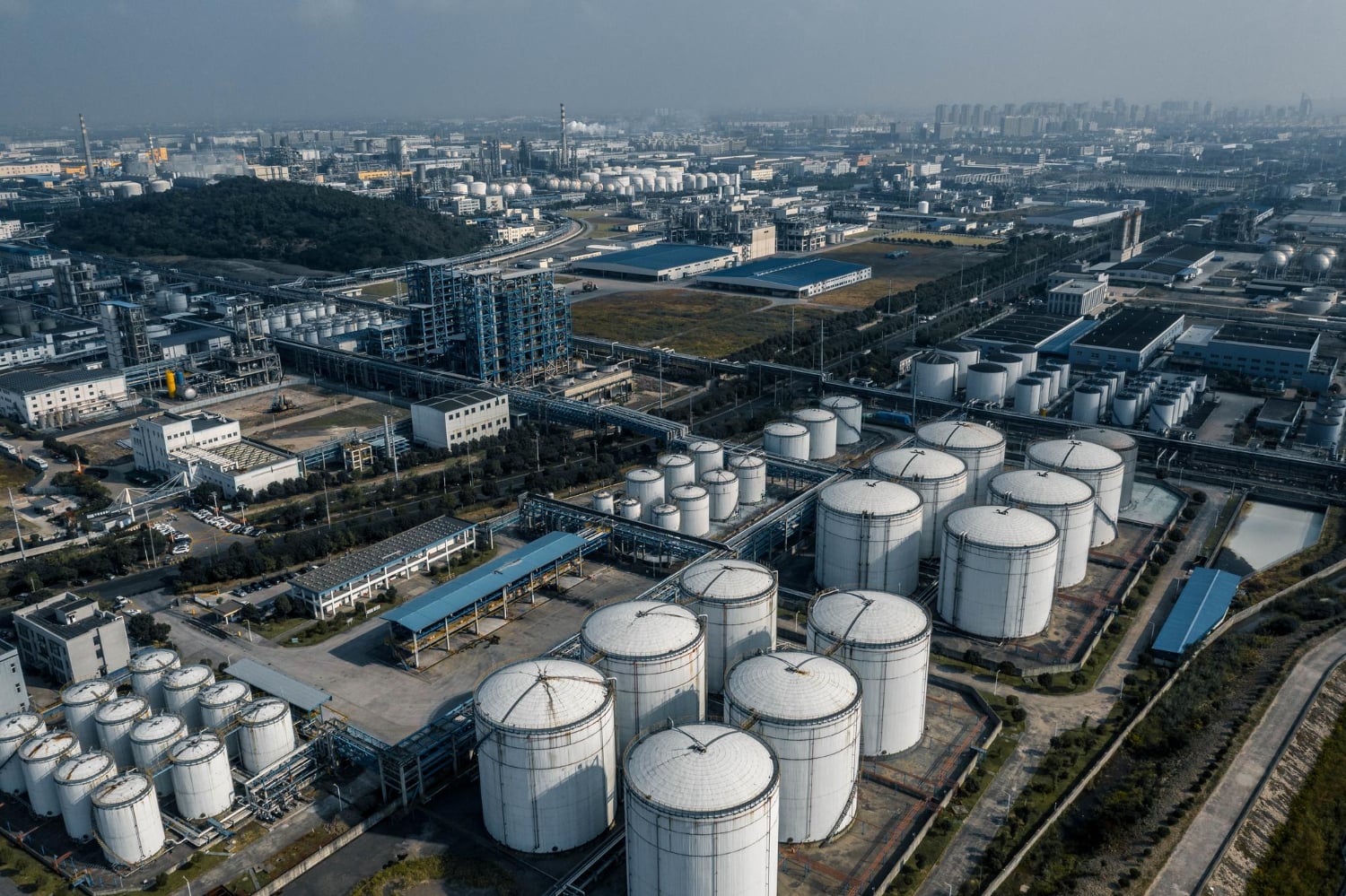
Oil prices rose as concerns over supply were compounded by a decline in U.S. inventories
Oil prices retreated from a five-month high following the granting of exemptions from sanctions imposed on Russia
Oil prices rose by $2 as tensions escalated in the Middle East following attacks carried out by the Houthis