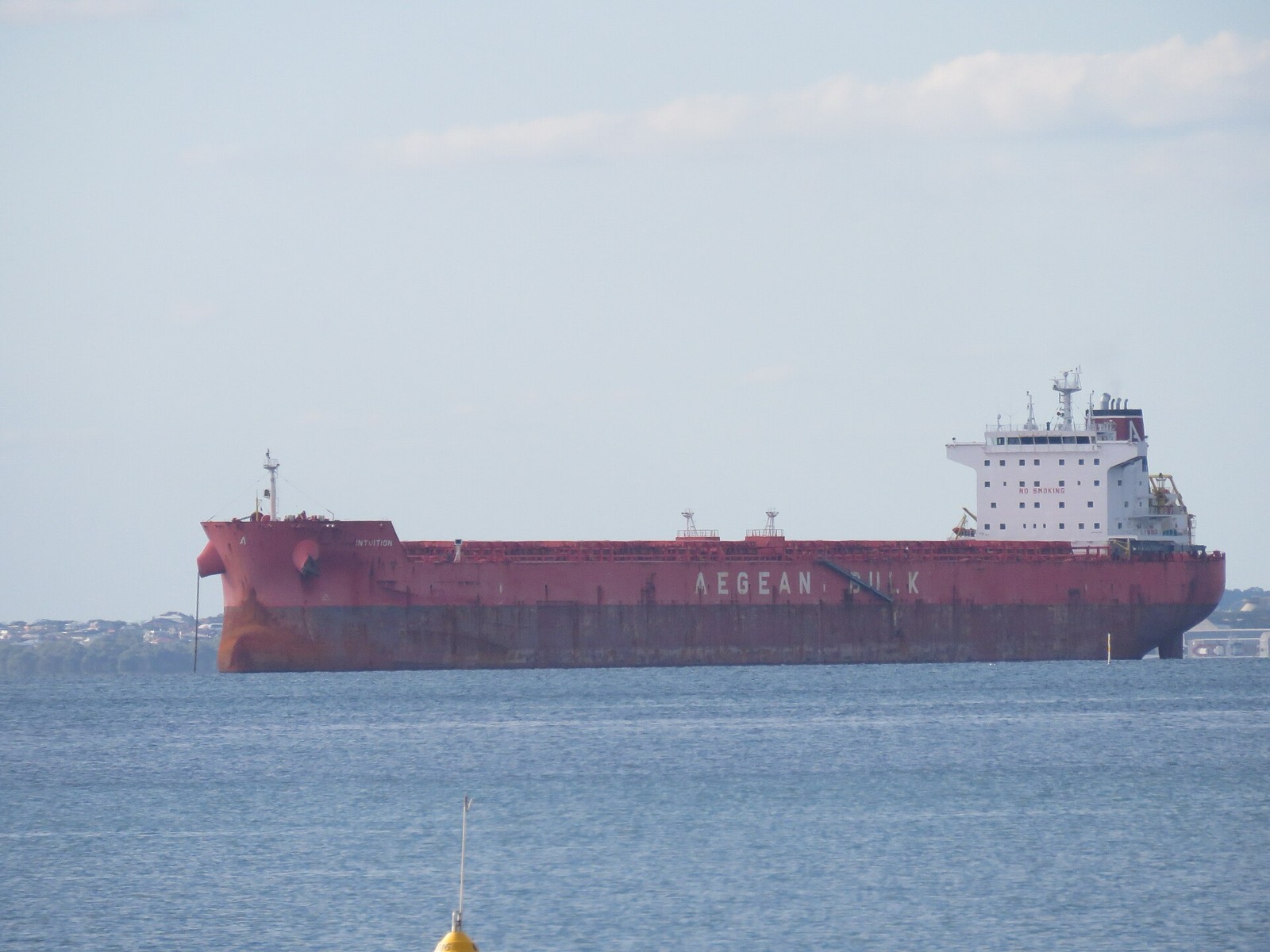
Seafarers in the Pandemic and the Crew Change Crisis
During Covid-19, travel restrictions halted crew changes and hundreds of thousands of seafarers stayed aboard beyond their contracts.
During Covid-19, travel restrictions halted crew changes and hundreds of thousands of seafarers stayed aboard beyond their contracts. Royal Museums Greenwich puts the number at about 400,000 in 2020, and IMO's figure for January 2021 had risen to about 450,000. A similar number were waiting to relieve them.[1][3] Trade did not stop, so the ships kept working. The rule meant to prevent a repeat was adopted only in 2025 and is expected to enter into force in December 2027.[9]
How Crew Change Normally Works
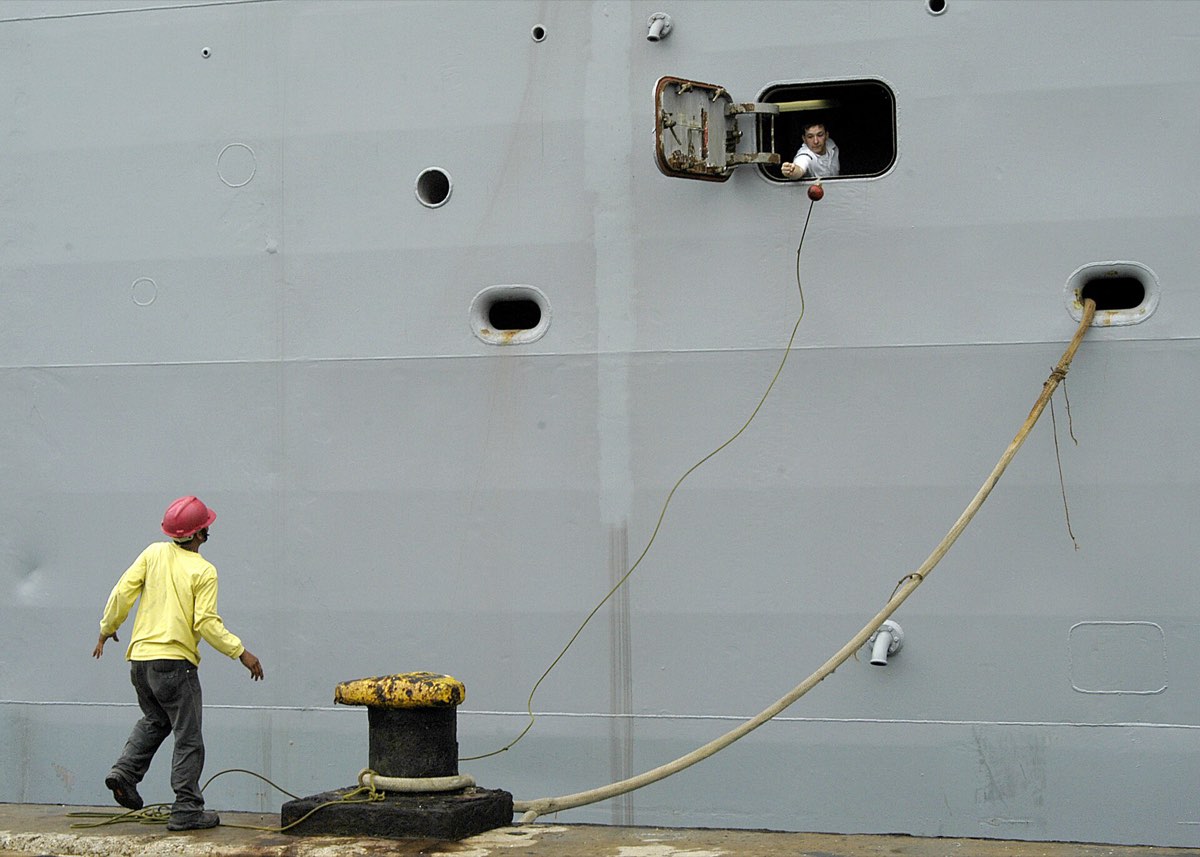
Before the pandemic this was routine. Merchant seafarers work on fixed-term contracts, and BIMCO and ICS estimated in 2021 that 1.89 million of them were serving on more than 74,000 ships.[4] When a contract ends the seafarer signs off at a port and a relief arrives by air. The Maritime Labour Convention (MLC 2006) limits continuous service on board. The governments' statement of 2020 described the limit as under 12 months, and the ILO's committee of experts refers to a default maximum of 11 months.[5][8]
This arrangement rests on four things: shore leave, a visa, transit to an airport and a flight. From March 2020 countries closed borders, flights fell away and ports refused to let foreign seafarers ashore. Ships went on loading and discharging while the people on them could not step onto the quay. By July 2020 only about 25% of normal crew changes had taken place.[5]
Appeals Through 2020
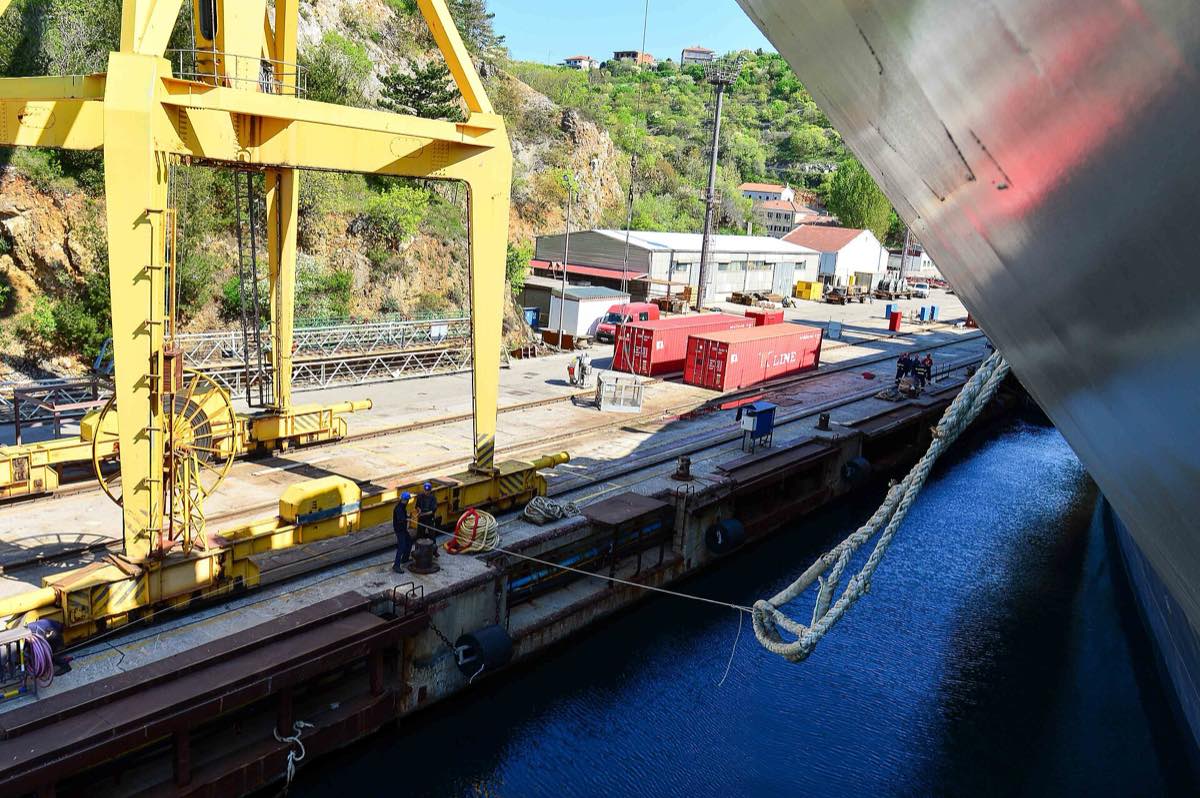
The first response came from UN bodies. IMO Secretary-General Kitack Lim wrote to member states asking them to treat seafarers as key workers. On 27 May 2020 the heads of ICAO, IMO and ILO said that from mid June about 150,000 seafarers a month would need international flights for crew changes.[6] IMO also issued a framework of protocols for safe changes in this period, and the union ITF and the employers' group JNG asked for governments to be given 30 days from 15 May to apply it.[7]
That period produced little. On 9 July 2020 Britain hosted a virtual summit, and 15 governments including Denmark, Germany, Greece, Indonesia, the Netherlands, Norway, the Philippines, Singapore, the United States and the UAE signed a joint statement. It said at least 200,000 seafarers needed immediate repatriation and a similar number needed to join ships. The signatories undertook to encourage key worker designation, to consider accepting seafarers' documents as proof of that status and to review visa requirements.[5]
None of this was binding. Commercial contracts added to the problem, with some charterers writing clauses into charterparties that prohibited crew changes, and IMO issued a separate circular against them.[7] In October 2020 ITF and ICS went to the ILO, saying ratifying states were failing to comply with major provisions of the MLC, and the committee of experts published a general observation on 10 December.[8]
On 1 December 2020 the UN General Assembly adopted resolution A/RES/75/17 without a vote. It urged member states to designate seafarers as key workers, allow them to get home and ensure access to medical care, but it was not binding.[2] IMO's list of 14 December 2020 showed 45 member states and one associate member, Hong Kong, as having made the designation, which was about a third of the membership.[2]
The Coal Ships
A political quarrel made things worse. Relations between Australia and China had soured after Australia banned Huawei from its 5G network, and China imposed trade barriers on Australian wine, beef and coal.[1] Great Eastern Shipping's bulk carrier Jag Anand, with 23 Indian crew, arrived off the Chinese port of Jingtang in mid June 2020 with Australian coal. She could not discharge, and with the cargo sold to Chinese buyers she could not leave for anywhere else.[1]
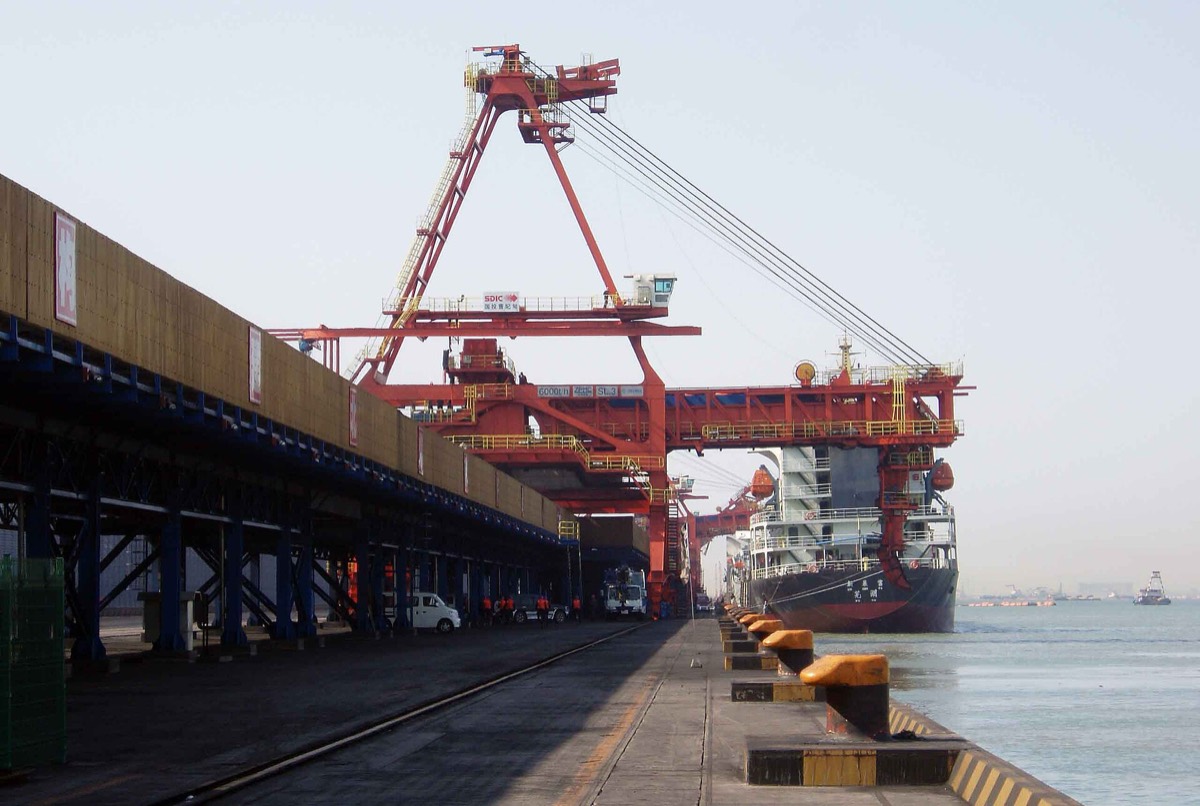
At the nearby Caofeidian anchorage, the MSC-owned Anastasia had been waiting with the same kind of cargo since 20 September. Abdulgani Serang, general secretary of India's National Union of Seafarers, said some men had been aboard for 18 to 20 months and described them as being held on a floating prison. Gaurav Singh, a navigation officer on the Anastasia, told the Times of India the crew were losing their minds and that one of them had attempted suicide.[1] Since October 2020 more than 50 ships carrying about 8 million tonnes of Australian coal had been unable to discharge in China.[10]
After intervention by the Indian government and the owner, the Jag Anand was allowed to leave in January 2021. She reached Japan on 18 January, the first group flew home the following night, and all the crew were expected home within 36 hours.[1][10] The Anastasia took longer. MSC said it had sought crew changes in Hong Kong, Japan, South Korea and the Philippines and that these were refused or did not happen. On 4 February 2021 it told the master to sail for Japan, and 18 seafarers reached it on 10 February.[11]
The Neptune Declaration
By January 2021 IMO put the number beyond contract at about 450,000, with only some 150,000 changes completed since March 2020.[1] The industry tried to fix this itself. The Neptune Declaration, led by the Global Maritime Forum, came out in January 2021 and had more than 700 signatories by March, including A.P. Moller-Maersk, ITF and ICS. It asked for four things: key worker status with priority for vaccines, health protocols for safe crew change, cooperation between operators and charterers, and air links between the main maritime hubs.[3]
Its most concrete product was the Crew Change Indicator, launched in May 2021. It gathered data from ten large ship managers with about 90,000 seafarers between them. These companies were better placed than most to change crews, so the figures could not be scaled up to the whole fleet. In mid April 2021 the share of seafarers aboard past the end of their contracts was 5.8%.[12]
Delta and Vaccines
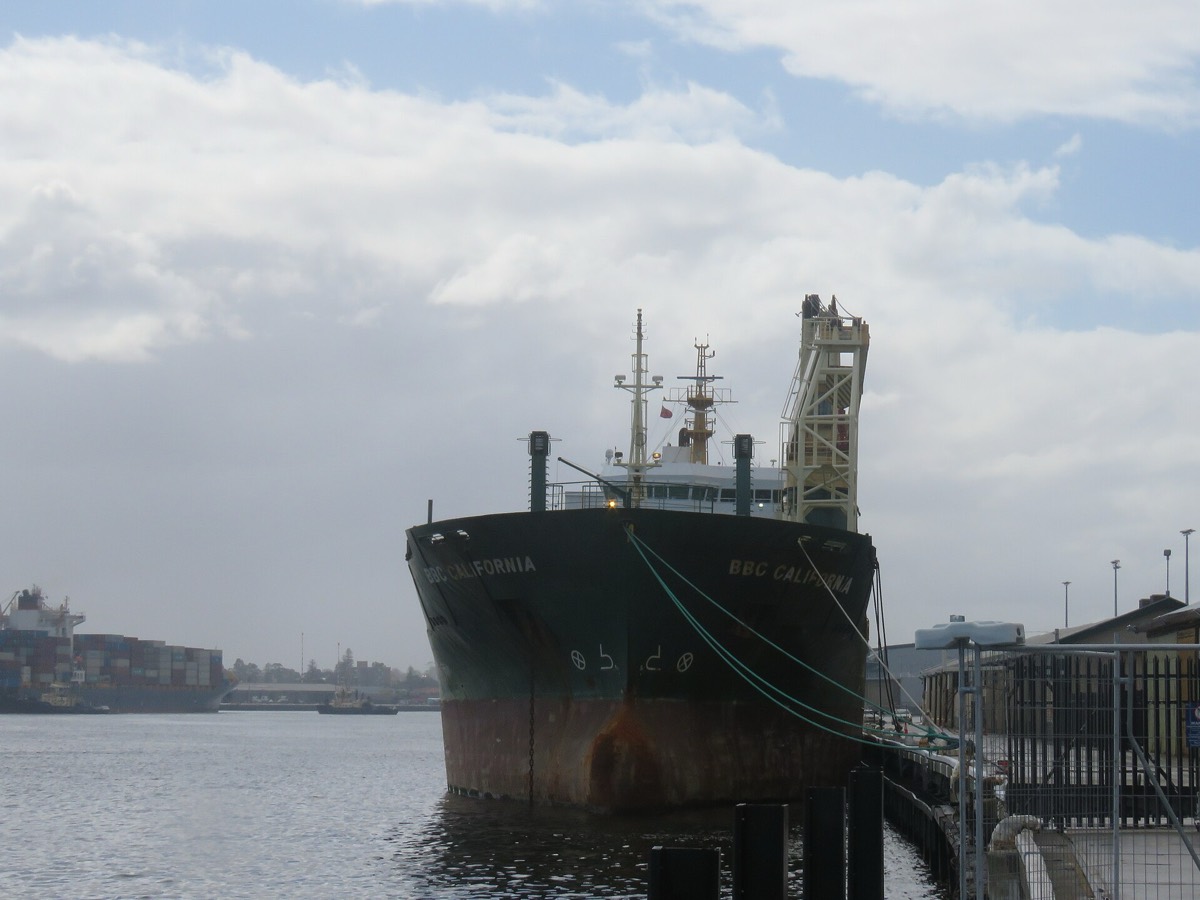
The share rose that summer. The Delta variant made travel from seafarer-supplying countries harder again, and the indicator reached about 9% in July 2021.[12] The virus was reaching ships as well. The general cargo ship BBC California left Egypt on 8 June, called at three ports in Indonesia and berthed at Fremantle, Australia, on 19 July 2021. Half of her crew of 14 had fallen ill on the way, ten tested positive, and on 25 July all the infections were confirmed as Delta.[13]
Vaccination moved slowly. In December 2021 the indicator showed only 49.5% of seafarers vaccinated, while the share past contract had dropped to 4.7%.[14] It fell to 3.7% by the end of December and rose again to 4.2% by mid January 2022.[12] The indicator went quarterly in July 2022, and the World Health Organization ended its global emergency on 5 May 2023.[12][15]
Through all of this these ships carried food, fuel and medical supplies. The governments' 2020 statement noted that shipping moved over 80% of global trade.[5] Maritime transport and the bunkering that keeps it moving went on while the people on board could not go ashore.
The ILO's Findings and the New Rule
The reckoning afterwards shows the size of the harm. On 4 October 2021 ITF and ICS told the ILO that all ratifying states had failed to some extent to comply with several provisions of the MLC. The committee of experts' 2022 report recorded cases where seafarers were denied medical care ashore even in the most urgent situations, where sick seafarers were not allowed to disembark, and where the bodies of those who had died on board could not be removed. It also said some states were using force majeure as a blanket reason, and that this could not be accepted as valid.[8]
The change in the rules came five years after the pandemic began. On 6 June 2025 the International Labour Conference adopted amendments to the MLC. The new text recognises seafarers as key workers and requires member states to help them travel for repatriation, shore leave and medical care. Shore leave no longer needs a visa or special permit, and port authorities who refuse it must give written reasons. The amendments are expected to enter into force in late December 2027.[9]
Frequently asked questions
What happened to seafarers in the pandemic?
During Covid-19, travel restrictions halted crew changes and hundreds of thousands of seafarers stayed aboard beyond their contracts.
How many seafarers were stranded in the crew change crisis?
About 400,000 in 2020 and, according to IMO, about 450,000 in January 2021 were aboard past the end of their contracts. Roughly the same number were waiting to relieve them.
Are seafarers now classed as key workers?
By December 2020, 46 members and associate members had said so. MLC amendments adopted on 6 June 2025 write this status into the convention and are expected to enter into force in December 2027.
Sources
- Al Jazeera (DPA). Indian Sailors Stranded for Months on Chinese Coast Reach Japan, 19 January 2021.
- IMO. UN General Assembly Resolution on Seafarers, December 2020; UN A/RES/75/17; IMO Circular Letter 4204/Add.35, 14 December 2020.
- Royal Museums Greenwich. What Is the Neptune Declaration.
- BIMCO and ICS. Seafarer Workforce Report, 2021 (press release).
- UK Government. Joint Statement of the International Maritime Virtual Summit on Crew Changes, 9 July 2020.
- gCaptain. UN Agencies Make Urgent Plea for Crew Changes, 27 May 2020.
- IMO Circular Letter 4204/Add.14/Rev.1, 5 October 2020; Circular Letter 4204/Add.36 (no crew change clauses); ITF and JNG joint statement, 2020.
- ILO. COVID-19 and Maritime Labour Issues, extract from the Committee of Experts' 2022 report, February 2022; committee general observation, 10 December 2020.
- West of England P&I Club. Amendments to the Maritime Labour Convention Adopted, June 2025.
- India Shipping News. Indian Crew Members From China Reaches Japan, 19 January 2021.
- MarineLink. Anastasia Crew Debarks in Japan After Six Months Stuck off China, February 2021.
- Global Maritime Forum. Neptune Declaration Crew Change Indicator, May 2021 onward; MarineLink. UN Bodies Call for More Action to End Crew Change Crisis, 28 February 2022.
- Western Australia Department of Health. COVID-19 Updates, July 2021; The New Daily and SBS, July 2021.
- gCaptain. Crew Change Crisis Showing Signs of Improvement, 1 December 2021.
- AABB and Medical News Today reports on the WHO decision, 5 May 2023.