Stability in oil, but European lockdowns negatively impact demand
Hopes for a recovery in demand following days in this year helped to halt last week's widespread sales. Oil prices remained steady on Monday, but prices are under pressure as novel coronavirus lockdowns in Europe make a quick rebound less likely.
Brent crude ended the session up 9 cents or 0.1% at $64.62 a barrel, while WTI oil for delivery in April fell 13 cents, or 0.2%, to settle at $61.55 a barrel as it expired.
The more active WTI crude futures for delivery in May rose 12 cents or 0.2% to settle at $61.56 a barrel.
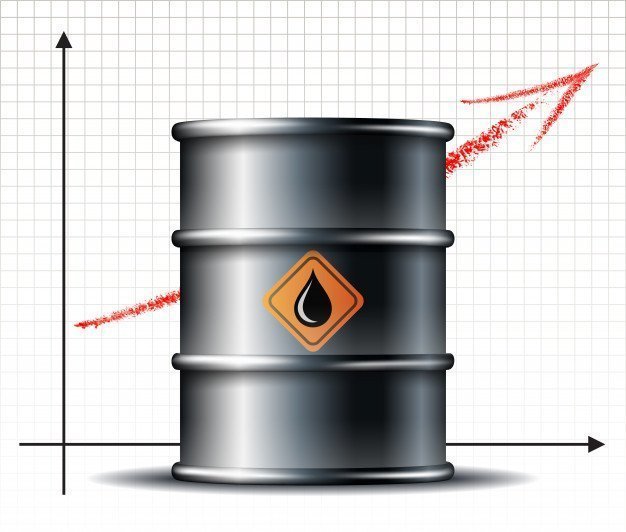
Both contracts fell more than 6% last week, after months of steady gains following production cuts and expected demand recovery.
Oil has had its worst week this year, with concerns about the increase in COVID-19 cases across Europe. This is happening at times when there are obvious signs of weakness in the physical oil market.
Physical markets were also under pressure as refineries around the world, including China and the United States, started maintenance activities.
The Chinese refineries maintenance season peaks in May and begins to decline in June. Crude oil outflows in some regions, such as West Africa, are affected by this poor performance.
According to a draft proposal, Germany plans to extend the lockdown to the fifth month, while nearly a third of the French population will be under a month-long isolation from Saturday.
Britain warned on Monday that the third wave of COVID-19 infections sweeping across Europe could advance towards the UK.
Vaccination campaigns are not developing as fast as the market hopes, and as a result, this will likely negatively affect the recovery in oil demand and hurt prices.
The Saudi state company, the world's largest oil exporter, Saudi Aramco, is optimistic about the long-term prospects, although large-scale economic recovery is difficult. Officials say global oil demand is on track to reach 99 million barrels a day (bpd) by the end of 2021.
Oil prices could not increase significantly. The economy and demand are expected to increase as travel restrictions ease in the coming months. However, the impact of this will be partially offset by the increased oil supply. OPEC + will gradually ease supply constraints, while US shale oil production is likely to increase due to attractive oil prices.
Brent will struggle to stay above $ 70 and WTI is expected to hover around $ 60 a barrel on average in 2021.
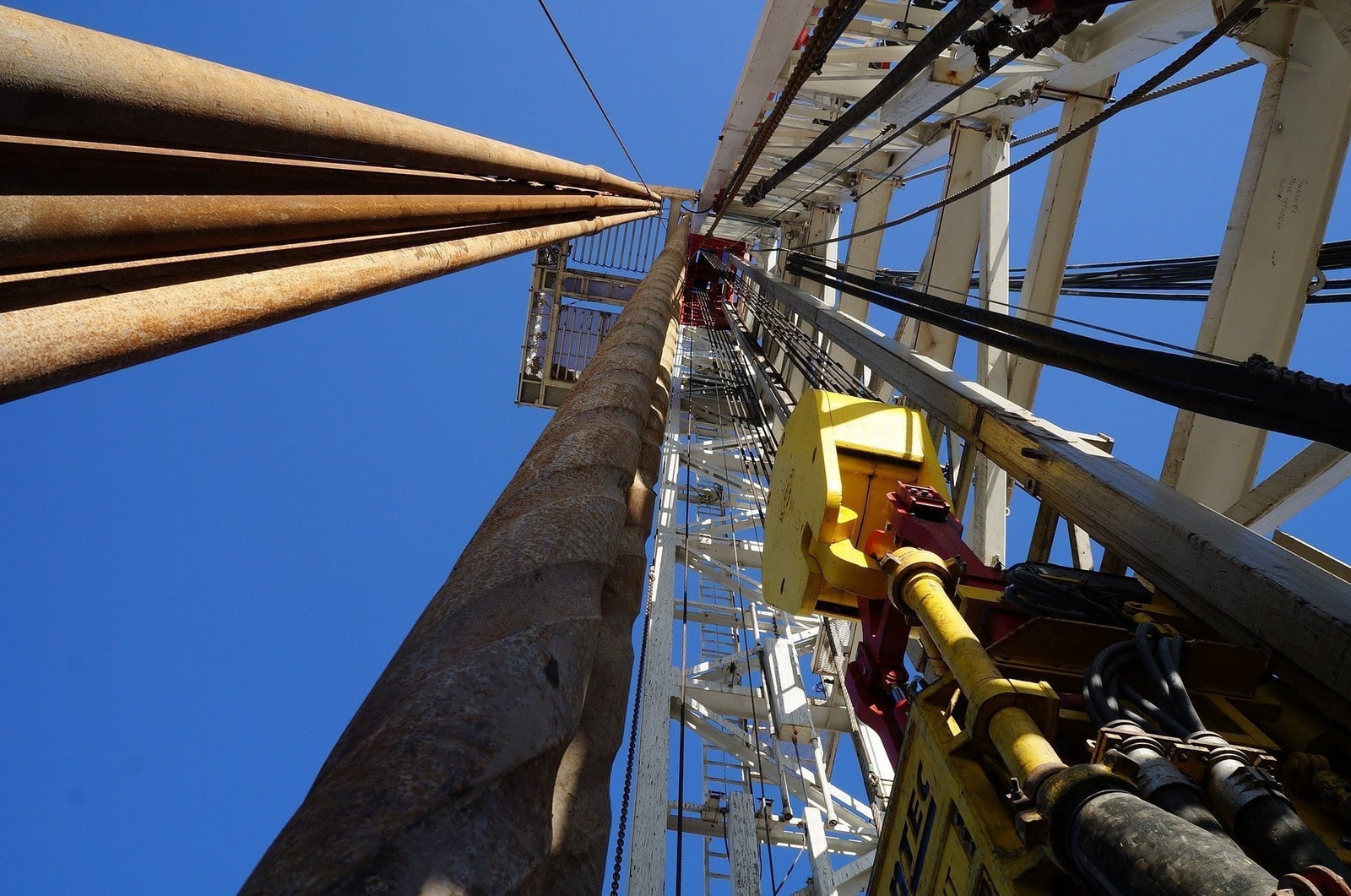
Meanwhile, US drillers are in study to take the advantage of the recent increase in prices.