Supply concerns are driving up oil prices amidst a rise in attacks on vessels in the Gulf and the Strait of Hormuz
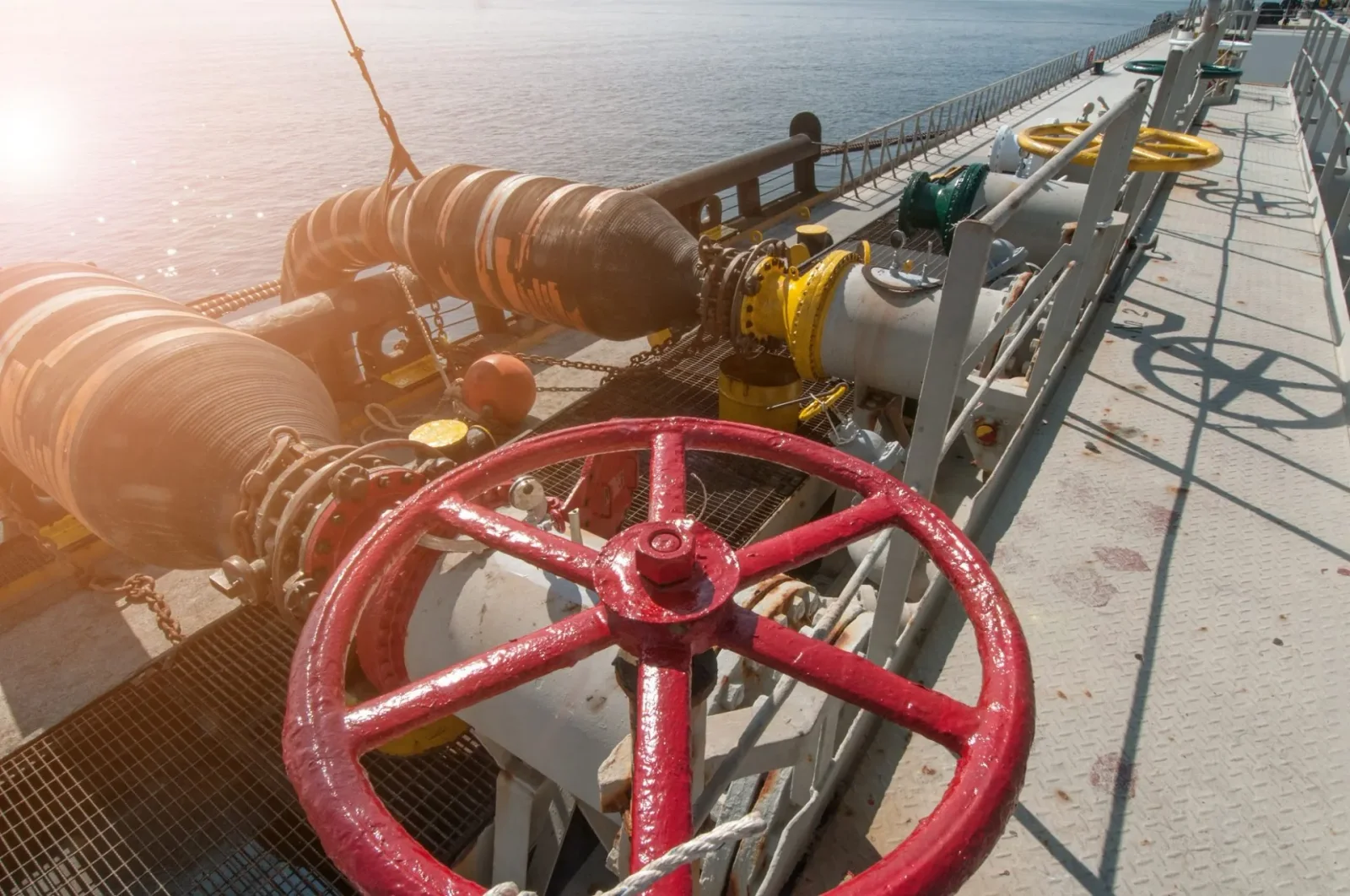
Oil prices climbed on Thursday as supply concerns persisted regarding the key Middle East production region, compounded by rising attacks on shipping vessels in the Gulf and the Strait of Hormuz, and as US production was curtailed due to a hurricane threatening offshore operations.
Brent crude futures rose $2.28 (or 2.28%) to $102.28 per barrel as of GMT 04:27. Meanwhile, WTI crude futures gained $1.66 (or 1.88%) to reach $89.94.
Prices had closed lower on Wednesday after the International Energy Agency (IEA) agreed to accelerate the release of oil stocks and prioritize diesel supplies, under a plan launched in March, as part of efforts by governments to combat record-high fuel prices and supply disruptions stemming from the war involving Iran.
However, as the conflict between the US, Israel, and Iran enters its eighth month, threats to oil shipping in the Gulf and the Strait of Hormuz, a region that handled approximately 20% of global oil and fuel shipments prior to the war, have intensified in October.
Alongside increased exports from Gulf producers, attacks on tankers passing through the Strait of Hormuz reached their highest levels last week since the outbreak of the war involving Iran.
As attacks become more widespread, the cost of products originating from the Gulf is rising. While the flow of crude oil continues, these shipments entail higher costs and greater risks for both the cargo and the crews.
The frequency of Iranian attacks on vessels is at its highest level since the conflict began, and these attacks are likely to intensify further.
The oil to be released into the market by the IEA (International Energy Agency) will likely consist of barrels already included in the group's original plan, announced at the onset of the Middle East conflict, to release 400 million barrels. Releasing strategic reserves may temporarily boost supply flows, but it does not create new production capacity.
Supply constraints are also driving up prices in the US, the world's largest oil producer, as Hurricane Isaias moves toward offshore production zones, forcing the shutdown of platforms.
Data shows that, due to the storm, oil and natural gas producers in the US Gulf of Mexico had halted approximately 25.08% of current oil production and 16.37% of natural gas production as of Wednesday.
Inventory data from the US, the world's largest oil consumer, also supported prices; crude oil stockpiles fell more than expected, while diesel inventories saw a slight decline.
The Energy Information Administration (EIA) announced on Wednesday that crude oil inventories dropped by 3.2 million barrels to 424.1 million barrels during the week ending October 2. Analysts, however, had forecast a decline of 1.7 million barrels.
Distillate fuel stocks, including diesel and jet fuel, fell by 42,000 barrels to 105.14 million barrels; this level is well below the levels recorded for this time of year over the past five years.
Related Articles

Oil prices fell after Trump announced his country would not attack Iran before next month's elections
Oil prices remain flat as increased exports from the Middle East act as a supply-side balancing factor
Brent and U.S. crude oil gained value on a weekly basis