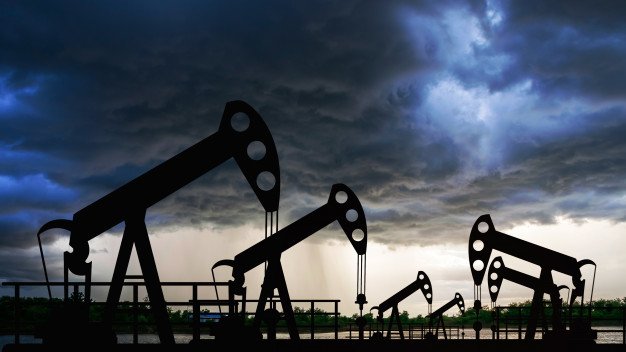
Oil prices remain flat as increased exports from the Middle East act as a supply-side balancing factor
Although supply shows signs of recovery, risks persist. With ongoing supply concerns stemming from Middle East conflicts and a storm moving toward U.S. oil production regions dominating the agenda, oil prices held steady on Wednesday, with Brent crude futures remaining above $100 per barrel.
As of 11:00 a.m. Turkish time (08:00 GMT), Brent crude futures rose 35 cents (or 0.35%) to $100.93 per barrel. Meanwhile, WTI gained 15 cents (or 0.17%) to reach $89.59.
Despite the recovery in supply, the market may remain wary of potential supply disruptions. Supply risks originating from the Middle East remain significant due to ongoing attacks on vessels.
Saudi Arabia's Energy Minister, Prince Abdulaziz bin Salman, announced on Tuesday that the flow through the country's East-West pipeline had been increased to 5.8 million barrels per day.
A senior executive at Vitol noted that approximately 12 million barrels of crude oil and 2 million barrels of refined products per day had been shipped via tanker from the Middle East over the past 7 to 10 days.
Investors express skepticism regarding the sustainability of the recent increases in supply and exports from the Middle East. Amid escalating clashes between Saudi Arabia and the Houthis, the Saudi aviation authority announced on Monday evening that two separate attacks had been carried out against airports in Jazan and Najran.
No progress has been made toward improving U.S.-Iran relations.
U.S. forecasters stated on Tuesday that a storm forming in the Gulf of Mexico is expected to develop into the first Atlantic hurricane of the 2026 season within two days, potentially striking oil and natural gas facilities.
This development has raised the likelihood of disruptions to production and refining operations at a time when the market is already grappling with significant supply-side constraints.
Offshore areas in the storm's path account for 15% of U.S. crude oil production and 5% of natural gas production. The storm could affect six refineries; refineries in U.S. Gulf states represent approximately 50% of the country's total refining capacity of 18.2 million barrels per day.
Related Articles

Supply concerns are driving up oil prices amidst a rise in attacks on vessels in the Gulf and the Strait of Hormuz
Oil prices retreated as supply concerns eased
Oil prices stabilized as crude oil exports rose and the G7 prepared to release stocks into the market