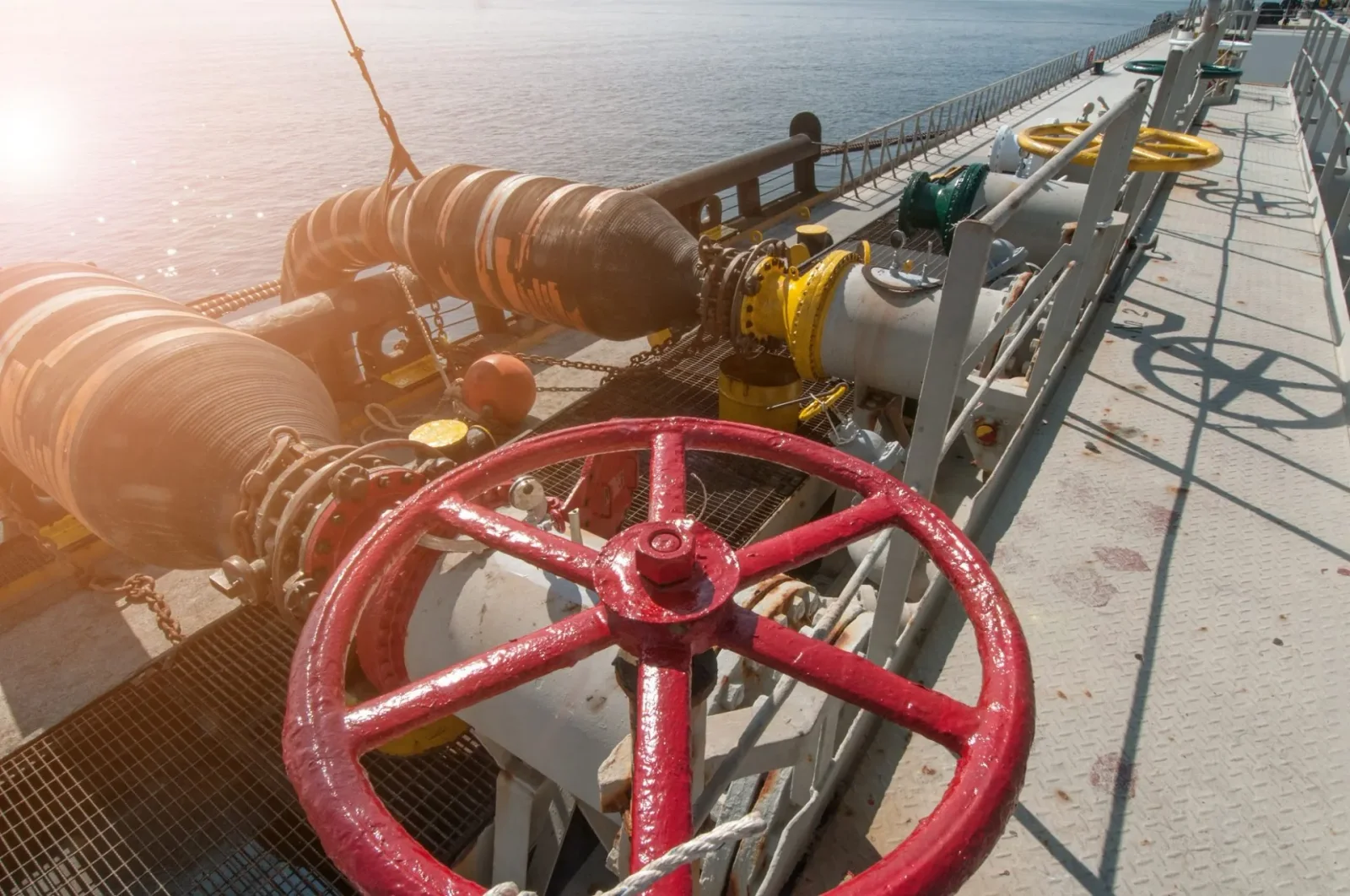
Oil prices retreated as supply concerns eased
Oil prices fell on Tuesday as steady crude oil shipments from the Middle East and the release of emergency stockpiles by G7 nations alleviated supply concerns; however, ongoing security risks in the Middle East and the Black Sea limited further declines.
Brent crude futures fell 83 cents (0.8%) to $99.49 per barrel around 06:50 GMT, while WTI crude futures dropped $1 (1.1%) to $88.43 per barrel.
Shipping data indicates that regional crude oil exports exceeded pre-war levels on certain days in late September. Alternative routes and logistical adjustments are enabling producers to maintain shipments despite disruptions around the Strait of Hormuz.
However, it is premature to characterize the situation as a full normalization of supply, given the ongoing military activity in the Middle East and the Black Sea.
Attacks on tankers near the Strait of Hormuz have resumed, with the frequency of incidents increasing in recent days. This means that while oil shipments continue, costs related to transport, insurance, route selection, and security risks remain high.
Data showed that Gulf oil shipments, excluding Iran, rose above 81% of pre-war levels in September, driven by a recovery in Saudi exports, despite attacks on Iran's oil infrastructure and Iran's escalating attacks on maritime shipping in the region. Meanwhile, Iran's seaborne exports have dropped to zero from the zone due to the US blockade.
Although the market remains uneasy about potential supply disruptions originating from the region, Gulf oil producers continue to adapt to the situation on the ground.
Kuwait announced that it is producing at 75% of pre-war levels. Saudi Arabia lowered the official selling price of its "Arab Light" crude for shipments to Asia in November, signaling an improvement in the supply outlook.
In a development that further eased supply concerns, G7 nations agreed on Friday, following pressure from Trump, to release 100 million barrels of diesel and crude oil from emergency reserves and to refrain from imposing restrictions on energy exports.
While the deadlock in talks between the US and Iran persists, the conflict between Saudi Arabia and the Houthis continues to fuel concerns regarding potential supply disruptions from the region's largest oil exporter.
Related Articles
Oil prices stabilized as crude oil exports rose and the G7 prepared to release stocks into the market
Oil prices remain flat as increased exports from the Middle East act as a supply-side balancing factor

Supply concerns are driving up oil prices amidst a rise in attacks on vessels in the Gulf and the Strait of Hormuz