Iran vows 'devastating' response to U.S. threat yet
Oil prices rose as Trump threatened sanctions against Iranian partners. Iran vowed a 'devastating' response to the U.S. threat of delivering its harshest economic blow yet.
Brent and WTI crude oil futures rose on Friday as expectations of tighter supply in the coming weeks increased following Trump's threat of economic sanctions against Iran's trading partners.
By the way, oil prices are inevitably being supported due to concerns about continued supply cuts from major oil producers such as Saudi Arabia, Iraq, the United Arab Emirates, and Kuwait.
The previous peace agreement between the U.S. and Iran expired this week, and neither side has made any attempt to restart talks.
Furthermore, with the US blockade reducing Iranian shipments and the threat of further sanctions from Washington looming, offers for Iranian crude oil to Chinese buyers decreased, providing another factor supporting prices.
Brent crude futures closed up 61 cents, or 0.65%, at $94.39 a barrel. WTI crude closed up 23 cents, or 0.26%, at $87.06 a barrel.
Brent crude prices have risen 6.39% this week, while WTI crude prices have increased 5.66%, both reaching their highest levels since July 24 in the previous session.
So far, sanctions have been the only thing holding Iran back. But Iran said on Friday that its resistance was not in vain and that Washington's promise to impose the harshest financial sanctions in history aimed at ousting Iranian leadership would be met with a response from Iran.
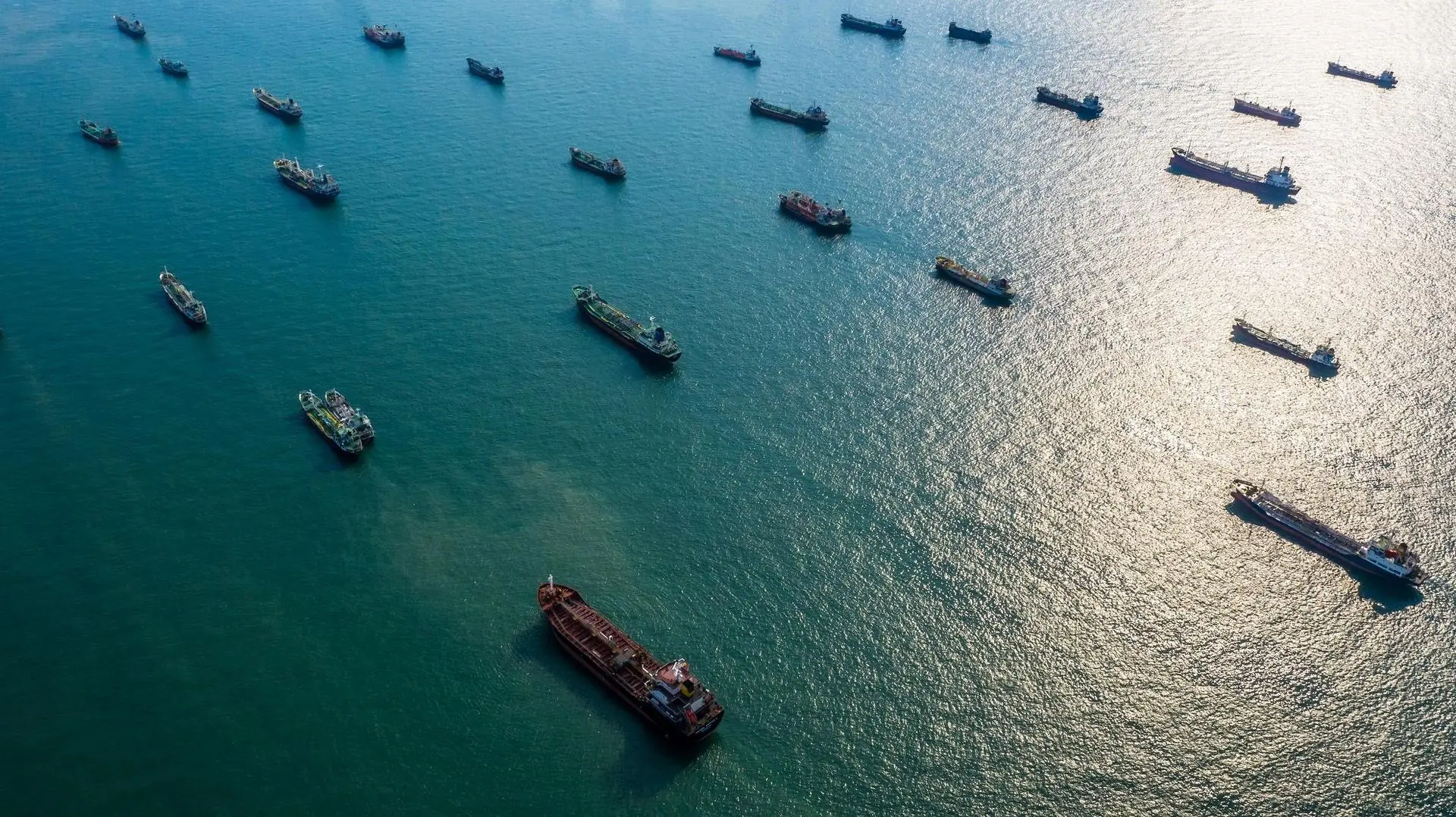
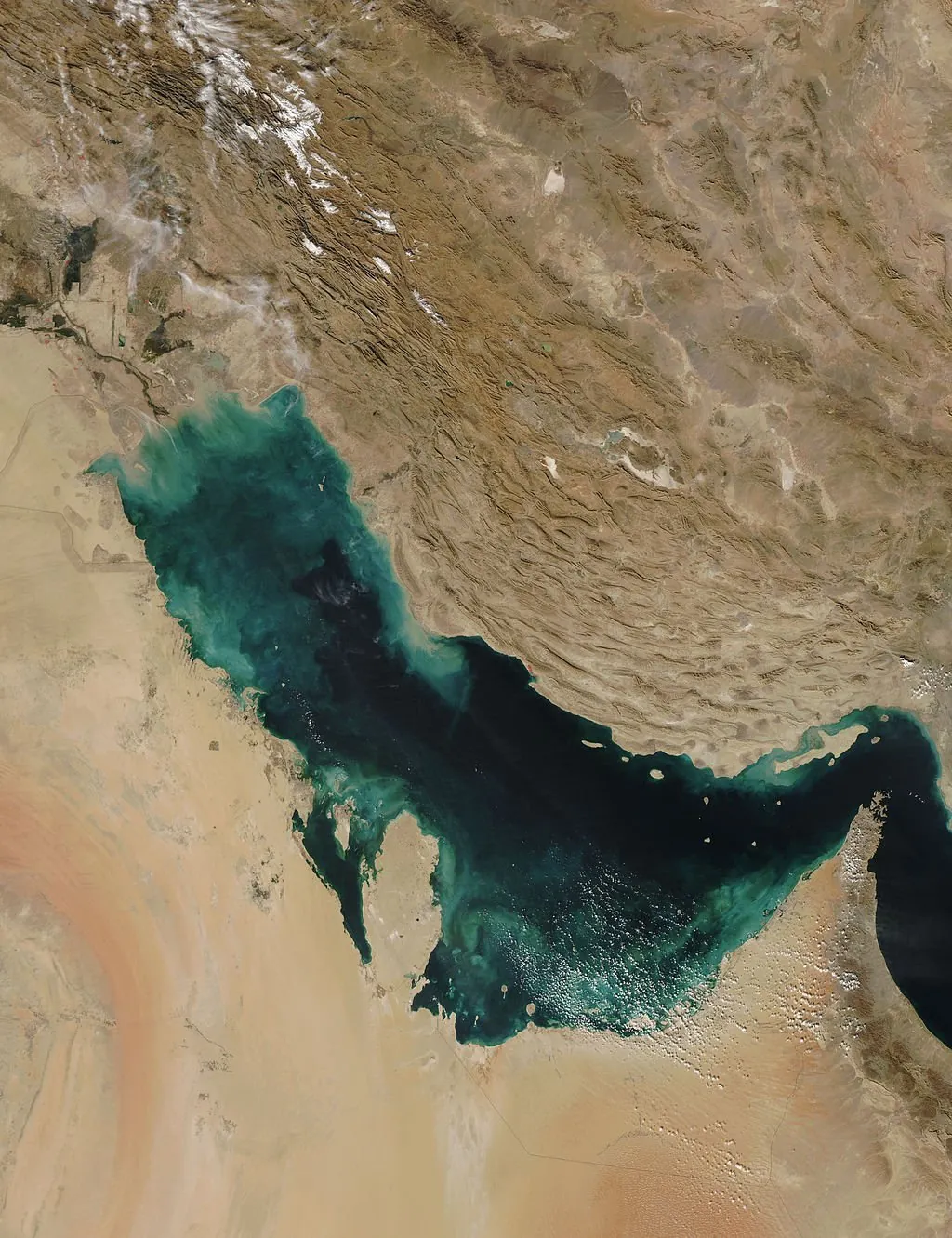
Since Iranian exports are already heavily restricted due to the US naval blockade, the immediate impact of these statements on supply may be limited. However, increased ship blockades and retaliatory economic sanctions could worsen the situation, especially with traffic through the Strait of Hormuz already well below normal levels.
The Strait of Hormuz remains a problem, but it's no longer the only one. Despite the restrictions on Hormuz, alternative supply routes and solutions exist. Pipelines, shipping lines, US shale oil, a recovering (but bottlenecked) Venezuela, and unrestricted UAE supply all contribute to the supply.
However, oil supply from major Middle Eastern producers remains limited. Data shows that seven commodity ships passed through the Strait of Hormuz on Thursday; only half the number from the previous day.
Before the U.S.-Israeli attacks on Iran began in late February, the Strait of Hormuz handled about a fifth of global oil and liquefied natural gas supplies. As the war approaches the six-month mark, disruptions to energy flows through the waterway remain in place.
Meanwhile, Zelenskyy announced on Friday that the Ukrainian military had attacked a Russian oil refinery in Perm, 1,600 km (1,000 miles) from the Ukrainian border, during the night.
Related Articles
Oil prices fell on Friday but are poised for a second weekly gain

The conflict with Iran and potential reconciliation stall, supply concerns drive oil prices higher
Oil prices fell ahead of the US announcement of new sanctions on Iran